www.dogingtonpost.com
How to Find Dog Newspaper Articles Online
Finding reliable dog newspaper articles online can feel overwhelming with thousands of sources available. Many pet owners struggle to separate credible reporting from clickbait content.
We at DogingtonPost know that quality information matters when it comes to your dog’s health and wellbeing. The right search strategies and trusted sources make all the difference in staying informed about the latest canine news and research.
Where Should You Look for Dog News Online
Specialized Dog Publications Lead the Pack
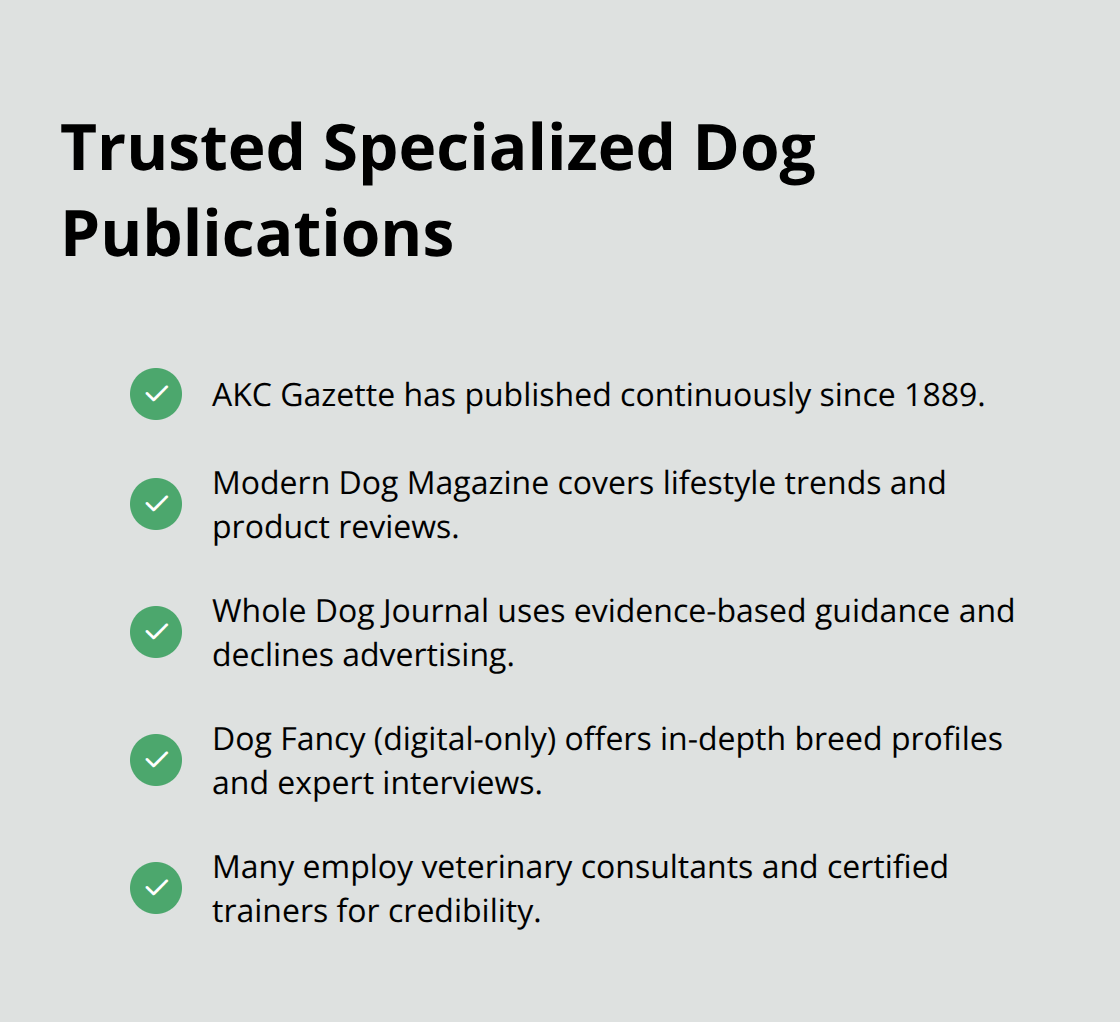
Start with publications that focus exclusively on canine topics. The American Kennel Club Gazette is the official journal of the sport of purebred dogs and hasn’t missed an issue since 1889, while Modern Dog Magazine covers lifestyle trends and product reviews. Whole Dog Journal stands out for its evidence-based approach to nutrition and training, refusing advertising to maintain editorial independence. Dog Fancy Magazine (now digital-only) offers comprehensive breed profiles and expert interviews. These publications employ veterinary consultants and certified dog trainers as contributors, which provides more reliable information than general pet websites.
Mainstream News Sources with Strong Pet Coverage
Major newspapers increasingly dedicate resources to pet journalism. The Washington Post’s pet section publishes weekly veterinary Q&As and investigative pieces on pet food recalls. CNN’s pet coverage includes breaking news on animal welfare legislation and scientific studies. NBC News consistently reports on seasonal pet safety issues and emerging health threats. These outlets benefit from established fact-checking processes and journalistic standards that many pet-only websites lack.
Academic Resources for Evidence-Based Information
The Journal of the American Veterinary Medical Association publishes peer-reviewed research on canine health and behavior. PubMed provides free access to thousands of dog-related studies from universities worldwide. The American Animal Hospital Association releases clinical guidelines that influence veterinary practice standards. These academic sources undergo rigorous peer review, making them superior to blog posts and opinion pieces when you research serious health topics or training methods for your dog.
Historical Archives for Breed Research
Purdue Libraries offers access to historic U.S. newspapers organized by state, providing valuable insights into how dog breeds gained popularity over time. The Chronicling America project digitizes historical newspapers that document the rise of breeds like the French Bulldog (which became the most popular purebred dog in 2022, ending the Labrador Retriever’s 31-year reign). These archives help you understand breed trends and historical context that modern articles often miss.
Once you identify these reliable sources, you need effective search strategies to find exactly what you’re looking for.
How Do You Find Exactly What You Need
Master the Art of Strategic Search Terms
Generic searches like “dog news” produce millions of irrelevant results. Instead, combine specific breed names with action words: “French Bulldog recall,” “Golden Retriever study,” or “German Shepherd legislation.” Add date modifiers like “2024” or “this month” to filter recent content. The search term “dog bite statistics veterinary journal” yields peer-reviewed data, while “puppy mill investigation newspaper” finds investigative reports. Professional searches require professional precision.
Set Up Automated News Alerts
Google News Alerts transforms passive searches into active intelligence systems. Create separate alerts for “dog food recall,” “canine influenza outbreak,” and “pet legislation changes.” Set frequency to immediate for health emergencies or weekly for general breed information.
The American Veterinary Medical Association reports that 89.7 million dogs live as pets in the United States, which makes health alerts particularly valuable. Configure alerts with quotation marks around exact phrases like “dog bite prevention” to avoid irrelevant content about other animals.
Use Social Media for Breaking Stories
Twitter breaks dog-related news 6-12 hours before traditional media outlets publish stories. Follow verified accounts of major veterinary organizations, the ASPCA, and breed-specific rescue groups. LinkedIn provides access to veterinary professionals who share research results before publication. Facebook groups for specific breeds often share local news that national outlets miss. Professional veterinarians and certified dog trainers frequently post preliminary results on Instagram before formal publication (this gives you early access to trends and health warnings).
Filter Results by Publication Date
Recent articles provide the most current information about health threats and safety recalls. Use Google’s “Tools” menu to filter results by the past week, month, or year. Many veterinary journals publish quarterly issues, so searches within the past year capture the latest research cycles. News outlets update pet safety information seasonally (particularly during summer heat warnings and winter holiday hazards), making date filters essential for timely advice.
Once you locate relevant articles, you need to evaluate their credibility and accuracy before trusting the information.
How Do You Spot Trustworthy Dog Articles
Check Author Credentials First
Author credentials separate professional journalism from amateur content. Look for writers with Doctor of Veterinary Medicine degrees, Certified Professional Dog Trainer certifications, or journalism degrees from accredited universities. The American Veterinary Medical Association requires specific educational standards for veterinary contributors, while the Certification Council for Professional Dog Trainers maintains strict certification requirements. Articles written by board-certified veterinary specialists in cardiology, oncology, or behavior carry more weight than general practitioners. Avoid content from writers who list only pet ownership as their qualification.
Identify Red Flags in Poor Quality Sources
Websites that promise miracle cures or use excessive exclamation points prioritize clicks over accuracy. Articles that claim one simple trick solves complex behavioral problems lack scientific support. Sources that refuse to cite peer-reviewed studies or veterinary organizations raise immediate concerns. The phrase “all-natural” appears frequently in unreliable content (since many toxic substances occur naturally). Publications that accept payment for positive product reviews compromise editorial integrity. Social media posts from unverified accounts spread misinformation faster than established news outlets correct it.
Cross-Reference Information Across Multiple Publications
Professional fact-checking requires you to compare information across at least three independent sources. The Journal of the American Veterinary Medical Association publishes peer-reviewed research that serves as the gold standard for health claims. When CNN reports on a dog food recall, verify the information through FDA announcements and the manufacturer’s official statements. Breed-specific health studies should align across veterinary colleges and breed organizations. Single-source stories about new treatments or training methods require additional verification before implementation.
Academic databases like PubMed contain thousands of studies that either support or contradict popular claims about canine nutrition and behavior (which makes them invaluable for fact-checking).
Final Thoughts
Quality dog newspaper articles online require the right combination of trusted sources and smart search strategies. Academic journals like the Journal of the American Veterinary Medical Association provide peer-reviewed research, while specialized publications such as the AKC Gazette offer breed-specific expertise. Mainstream outlets like The Washington Post and CNN maintain professional fact-checking standards that many pet-only websites lack.
Google News Alerts automate your search process and deliver stories directly to your inbox. Set up alerts for specific terms like “dog food recall” or “canine influenza outbreak” to stay ahead of health threats. Social media platforms break news 6-12 hours before traditional outlets, which makes Twitter and LinkedIn valuable for early warnings.
Build your personal list with three to five core sources that match your interests. Combine daily news alerts with weekly academic journal reviews and monthly breed publication updates (this approach covers all major developments). We at DogingtonPost know that the 89.7 million dogs living as pets in America deserve owners who stay informed through credible dog newspaper articles rather than clickbait content.








 New Posts (Home)
 ChatBox
 Popular Posts
  Game Zone
 Top PodCasts