www.scarymommy.com
When Is A Pet Considered “Senior”? Vets Explain What Changes, & What You Can Do
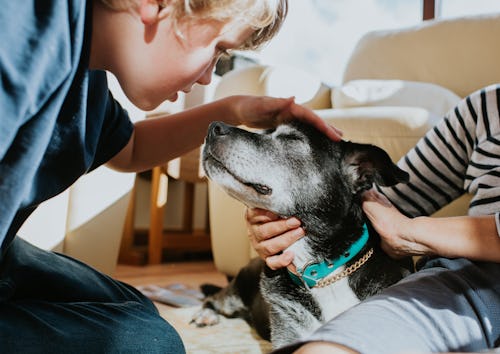
Catherine Falls Commercial/Moment/Getty ImagesYou know how it starts — a few gray hairs on their muzzle and above their eyes, a little bit of difficulty getting up from lying down. As our beloved pets age and start to show it, of course we want to learn everything we can about caring for senior dogs and cats. Do they need the special food labeled for seniors? What about more frequent vet visits or special supplements? We asked veterinarians what we loving pet parents can do to make sure our fur babies are happy and healthy for as long as can be.There’s not an exact age when your beloved pet becomes a senior citizen, but there are some ranges to keep in mind, according to Dr. Molly Brinkmann, Veterinary Advisor at PetAg. Generally, cats are considered seniors around 10 years of age. For dogs, the answer varies by size:Small dogs: 8-10 yearsMedium dogs: 7-9 yearsLarge and giant breeds: As early as 6-7 years“This classification matters because once pets reach senior status, we shift to more proactive care, including exams every six months and routine lab work, since many age-related conditions develop gradually and are easier to manage when caught early,” says Dr. Kristi Crow, Veterinary Advisor at PetAg.The Most Common (& Overlooked) Health Issues In Aging PetsYour pet becoming a senior is not a health problem all on its own, but aging increases the risk for certain conditions, Brinkmann says. “Some of the most common issues we see in senior dogs and cats include osteoarthritis, dental disease, kidney disease, heart disease, endocrine disorders, and cognitive changes.”Osteoarthritis and dental disease are the two most common and under-recognized age-associated issues for cats and dogs alike, she adds. Two big issues I always highlight are osteoarthritis and dental disease, because they’re incredibly common and often under-recognized in both dogs and cats. Both conditions can significantly impact quality of life long before pet parents realize something is wrong.“Osteoarthritis is a degenerative joint disease that leads to inflammation, cartilage breakdown, and chronic pain. In dogs, this may look like stiffness, trouble getting up, slowing down on walks, or hesitation with stairs. In cats, it’s sneakier: jumping less, grooming changes, hiding more, or ‘just acting old,’” Brinkmann explains. “Periodontal disease causes pain, infection, and inflammation that doesn’t stay confined to the mouth — it can affect the heart, kidneys, and overall health. Bad breath, drooling, difficulty eating, or dropping food are all red flags.”The main thing pet owners should watch for is any change to their pet’s normal behavior. Are they suddenly dropping food when they eat? Having accidents in the house? Acting confused or nervous?“Eating, drinking, energy, mobility, behavior, bathroom habits — those are early warning systems. Pets are incredibly good at hiding illness, and by the time symptoms are obvious, disease is often advanced. That’s why senior exams and routine bloodwork matter so much; we catch things before they become emergencies. Aging doesn’t have to mean suffering. A lot of senior conditions are manageable when we catch them early,” says Crow.Why Vets Recommend Seeing Senior Pets Every 6 Months“Yes! Once pets reach that senior stage, my approach shifts from routine care to proactive monitoring and comfort-focused medicine. I recommend more frequent checkups, ideally every six months,” Crow says.Why six months? Animals age much faster than we do, so a lot can happen in that time. Biannual exams will help your vet catch red flags earlier, like changes in their weight, muscle loss, heart changes, pain, and behavioral differences. Your vet will probably also recommend routine lab work to monitor for kidney disease, thyroid disease, diabetes, liver changes, and anemia — all conditions that are hard to detect any other way, but could seriously affect your pet’s quality of life.Do Senior Pets Need Special Food Or Supplements?Before you go changing their diet just because they hit a certain age, talk to your vet about your dog or cat’s overall body condition and health needs. Their nutritional needs are just as nuanced as ours.“For example, a pet with kidney disease may benefit from a prescription renal diet. A pet with joint concerns may benefit from higher omega-3s and controlled calories. A pet with diabetes needs a diet formulated for glucose regulation, regardless of age,” Crow says. “The best choice is guided by your pet’s individual health, energy level, body condition, and any medical issues, ideally in partnership with your veterinarian.”For supplements, Brinkmann most often recommends joint and omega-3 supplements to help reduce inflammation and support mobility and brain health. Lifestyle advice matters too: maintaining lean body weight, consistent low-impact exercise, good traction at home, and keeping routines predictable.The Biggest Mistake Pet Parents Make About AgingBoth vets said it’s common for pet owners to think that slowing down, sleeping more, and other changes are just part of their pets getting older. That doesn’t mean your vet can’t do something about it, though. If something changes with your pet, speak up. “Aging doesn’t mean decline has to be miserable. We have far more tools now for pain control, mobility support, nutrition, dental care, and chronic disease management than we did even a decade ago. The goal is not just a longer life, but a comfortable, engaged, good-quality life for as long as possible,” Crow says.








 New Posts (Home)
 ChatBox
 Popular Posts
  Game Zone
 Top PodCasts