New Posts (Home)
 ChatBox
 Popular Posts
  Game Zone
 Top PodCasts
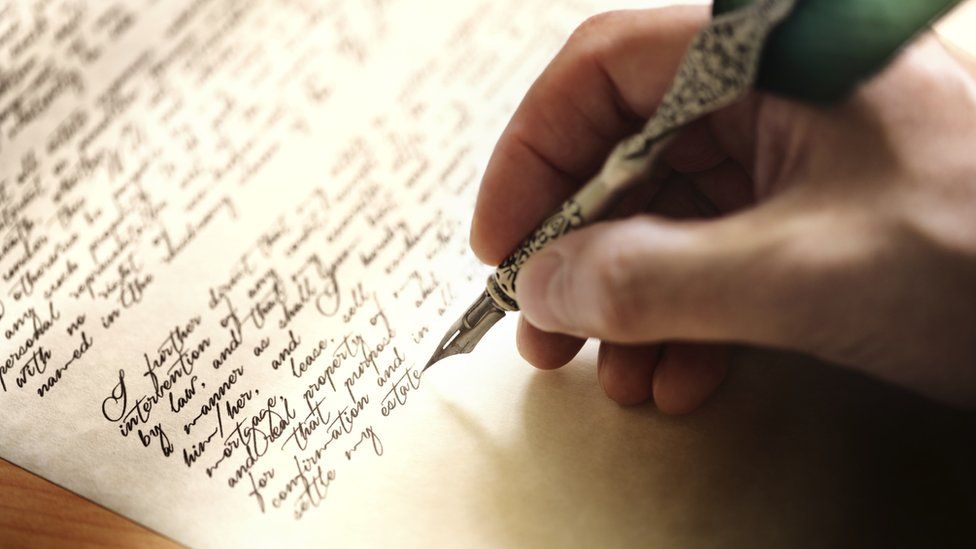


When reporters dug into the late-term pardons issued by President Joe Biden, the country learned something odd: All the signatures looked uniform, perfect, and mechanical.
Advertisement
President Donald Trump is rejecting every pardon or commutation Biden signed with an autopen. A quiet anger rose because very few Americans trusted Biden, and they trusted his final acts even less given his uneven awareness in public.
A signature machine making freedom decisions for felons created a sense of fraud. President Trump made no bones about it: he has no intention of honoring any pardon that never received an authentic signature.
Then, Trump pushed the point further, ordering that every document, contract, or legal instrument signed by that device be treated as void, making it clear that he intends to wipe away any clemency that never received a signature.
A spark caught fire when Trump spoke to a country tired of bureaucrats using distance and gadgets to cover choices that demanded full personal responsibility.
A Strange Debate Over Technical Purity
Legal scholars will say Trump walked out of bounds, arguing no president can undo a predecessor's pardon once a recipient accepts it.
On paper, they have a point.
A pardon reaches finality at acceptance, and courts treat that acceptance as iron. Lawyers love purity on paper, while many Americans love fairness more. Trump argues that Biden never granted pure pardons because a machine impersonated the president.
Biden already had credibility problems, and a device signing his name for mercy cases only deepened mistrust. Trump stepped into that space and said "no more," a move that speaks to moral clarity more than legal neatness.
Advertisement
History Offers a Map for Moral Course Corrections
American history offers examples of presidents taking action that looked legally shaky yet stood on firmer moral ground. Andrew Jackson ignored a Supreme Court ruling in the Worcester case because he believed it would harm national stability. Abraham Lincoln suspended habeas corpus during the Civil War because open rebellion threatened the Republic. Harry Truman seized steel mills during the Korean War because he believed a strike would cripple war production.
Courts later pushed back on some moves, while history often judged intent rather than technical legality. Americans saw leaders place order, unity, or fairness above rigid procedure. Trump now joins that family of presidents who tried to correct an abuse even when lawyers howled.
When leaders face a moment where legality clashes with fairness, moral duty guides action. Trump believes Biden used a machine to hand out mercy like coupons, a pattern lacking weight and legitimacy.
Trump’s revocation move stands in the same tradition as past presidents who stepped over chalk lines to restore faith.
No One Elected a Device
America elects a person, not a stylus attached to an electric motor, or a staffer pressing a button. A pardon needs presence, while a president must hold the burden of saying yes.
Biden’s reliance on that machine during a period when his cognitive steadiness looked fragile created a fog around every name that walked free. Trump pointed at that fog and said, "Enough."
Advertisement
Several legal scholars admit that courts have never thoroughly addressed a case in which a president failed to personally perform a constitutional duty. The signature requirement may not appear in the pardon clause, yet the spirit of the act demands that the president watch every case.
Trump’s argument centers on duty, not style.
Trump’s Stand Places Responsibility Back Where It Belongs
Trump said he will reinstate sentences or personally review every case, placing himself on the hook for the decisions Biden tried to dodge. That posture aligns with a broader theme of his administration: accountability and a vow to restore trust in institutions that had lost the voters' respect.
When he wiped away the autopen clemency, he shifted the weight back onto the actual office. People may argue the legality until the end of the day, but voters often care more about leaders who carry the load than those who hide behind mechanical shortcuts.
Trump called out the shortcut.
A Public Hunger for Old School Leadership
Americans crave leadership that accepts full responsibility, while growing tired of government workers who treat power like a privilege rather than a duty.
Trump’s stance on the autopen mercy speaks to a more profound desire for clarity. When a president hides behind a device, the pardon becomes a hollow act. When a president faces each case and signs with intention, the country sees a real decision. Trump wants pardons to return to that earlier standard. He doesn't fear the workload or the scrutiny. He invites both.
Advertisement
A Historical Echo
The pattern fits an older American truth: Leaders who restore fairness earn respect even when they annoy courts or bureaucrats. Lincoln, Jackson, and Truman all took heat.
Trump takes heat for the same reason, placing moral order above procedural neatness. Americans often reward that courage, even if lawyers flinch. If Biden’s autopen pardons fall apart in court or through review, Trump’s position becomes validated.
Many Americans already sense he took the honest road.
Final Thoughts
A republic needs honest signatures and leaders who accept the cost of their choices. Trump struck at a gimmick that allowed one president to dodge his duty. The country now watches a debate that weighs technical legality against moral responsibility.
If evidence shows Biden leaned on a device to grant mercy that never received his full attention, then Trump stands on righteous ground.
America respects leaders who carry the burden rather than pass it to a machine.
If you value strong voices that cut through noise and expose political games with clarity, join PJ Media VIP.
Members gain deeper analysis, early access to major stories, and commentary free from corporate filters. Use promo code FIGHT for a solid discount at checkout.