New Posts (Home)
 ChatBox
 Popular Posts
  Game Zone
 Top PodCasts


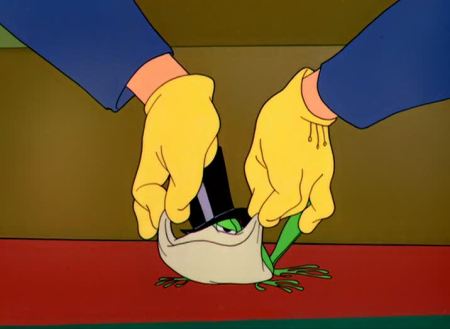

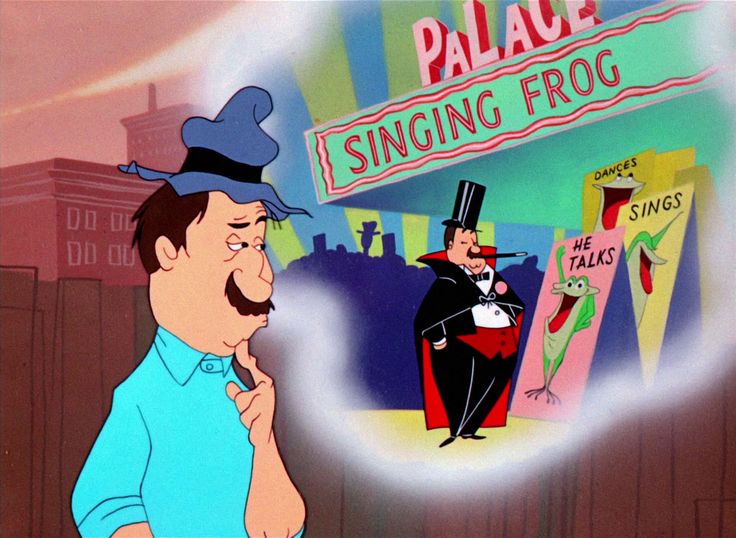
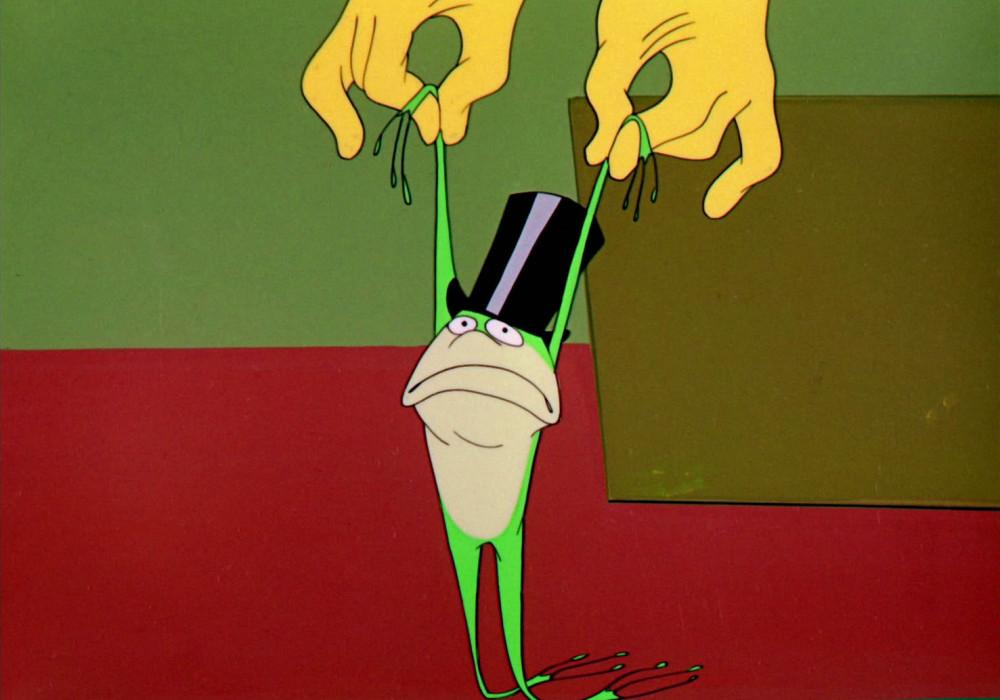
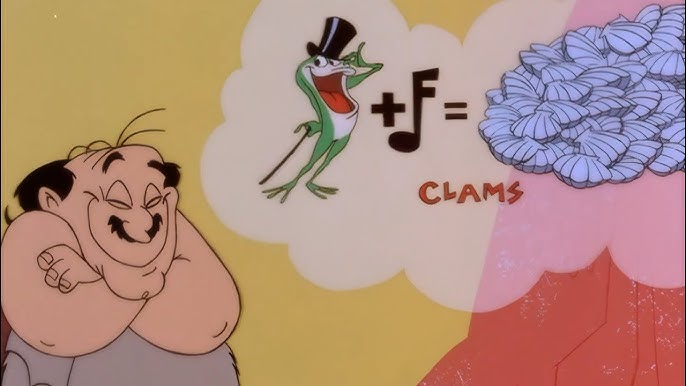
In 1955, writer Michael Maltese and director Chuck Jones created an animated short film called One Froggy Evening about a construction worker who discovers a box inside a cornerstone amidst the debris of a recently destroyed building that contains a frog with a top hat, a cane and the ability to sing. The plot of the film follows the man’s attempts to cash in on the singing frog’s talent, and his failure to do so at every turn, primarily because the frog refuses to perform for anyone else. Eventually all his failed attempts to convince the public that the frog can sing lead to him becoming homeless, which later leads to him being committed to a mental asylum, which then leads to him abandoning the frog altogether.
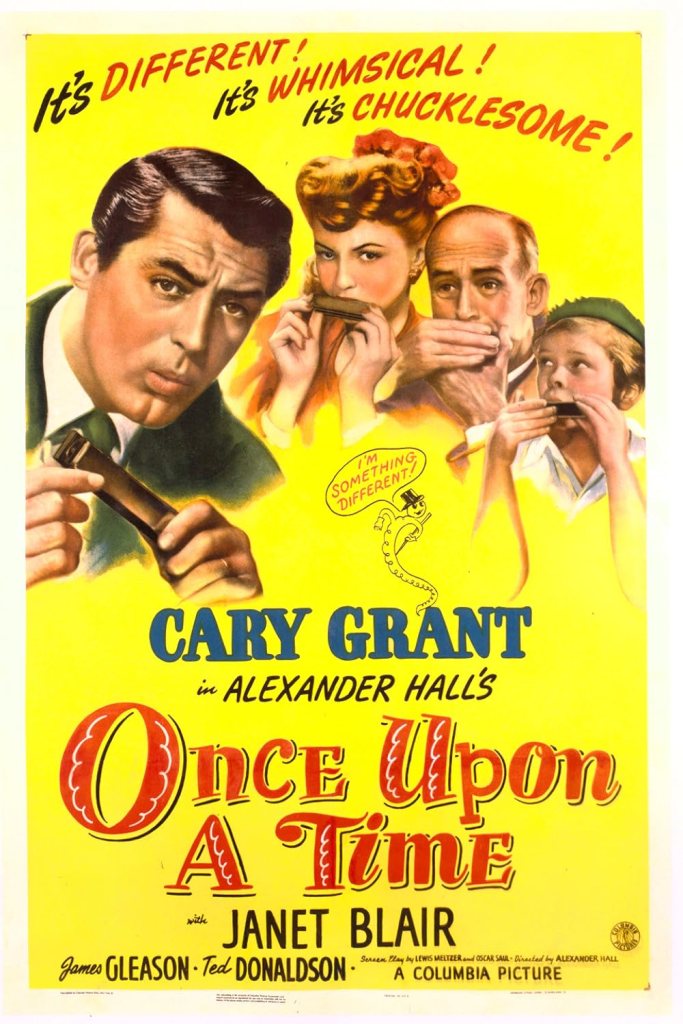
The concept for this cartoon may have been inspired by the living entombed animal myth and perhaps specifically Ol’ Rip the Horned Toad, a Texas horned lizard who supposedly hibernated for 31 years (??) back in 1928 and became a national celebrity. The film was also almost certainly inspired by the 1944 fantasy comedy Once Upon a Time starring Cary Grant as a conniving showman who tries to capitalize on the talent of a dancing caterpillar to save his theater.
The film contains no spoken dialogue. The only vocals heard are the vocals of the singing frog, which were provided by an uncredited Bill Roberts, an L.A. nightclub singer and bandleader of the time.
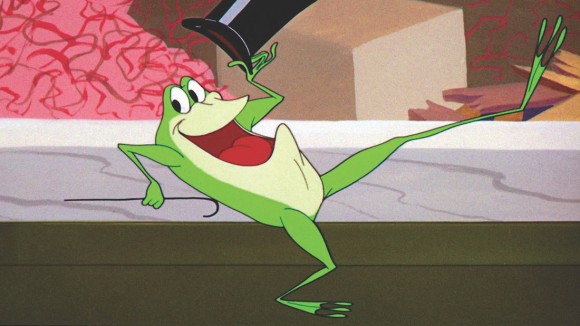
Where the frog in this film came from and why he has this singing ability, no one knows. But his singing taste ranges from Tin Pan Alley (“Hello! Ma Baby”) to Broadway (“I’m Just Wild About Harry”) to opera (“Largo al factotum”). The one original song in the film written by Michael Maltese and Chuck Jones with composer Milt Franklyn was “The Michigan Rag” (arguably the best song in the film).
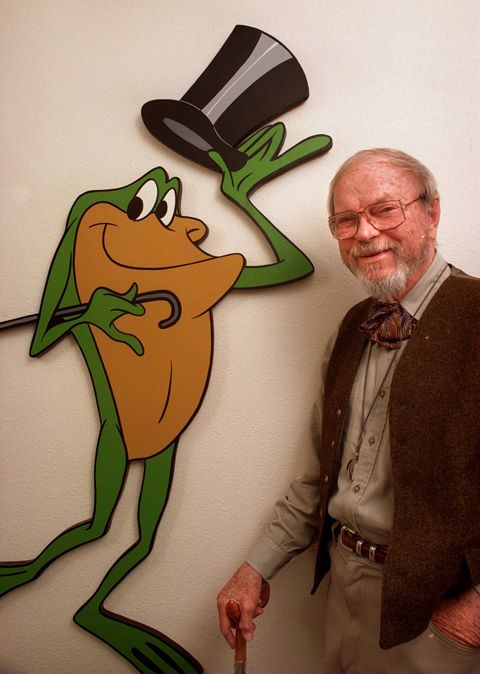
The frog originally had no name, but in the 1970s Chuck Jones started calling him “Michigan Frog.” The middle initial “J” actually originated from when Time Magazine film critic Jay Cocks (who wrote that One Froggy Evening came “as close as any cartoon ever has to perfection”) profiled Chuck Jones in 1973. Jones repaid the kind words by adopting Jay’s name as Michigan’s middle name.
Despite Michigan J. Frog only appearing as a one-shot character in the original Looney Tunes/Merrie Melodies run, he ended up becoming one of WB’s most popular cartoon stars and the cartoon itself is one of the most popular animated films ever made, especially regarded highly among film critics, film historians and animation fans.
Of all the Looney Tunes stars who have continued appearing in film and television since the classic shorts ended their run, Michigan J. Frog’s appearances are the most rare. But Chuck Jones did make a sequel in 1995 called Another Froggy Evening, which reveals that Michigan J. Frog has been around since the Stone Age, the Roman Empire and the American Revolutionary War. His singing voice in this cartoon was provided by Jeff McCarthy.
You may also remember seeing Michigan appear in a couple of episodes of Tiny Toon Adventures. One called “Psychic Fun-omenon Day” in which he appears as a class frog who Hamton is assigned to disect, and another called “The Wide World of Elmyra” in which the frog regularly torments Tyrone Turtle as he tries to escape from the clutches of Elmyra and reach the pond across the street. In both these appearances his singing was provided by John Hilner.
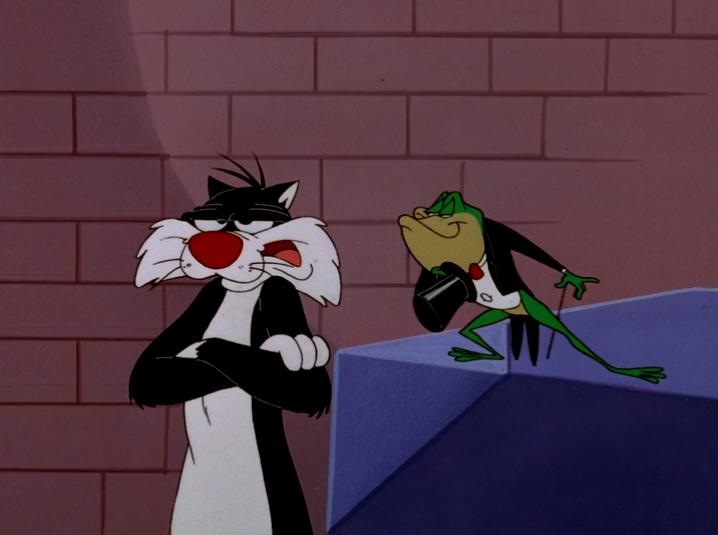
Other appearances include the Chuck Jones film From Hare to Eternity (1997), the feature films Space Jam (1996) and Looney Tunes: Back in Action (2003) and episodes of the TV series Animaniacs, The Sylvester & Tweety Mysteries, Duck Dodgers (voiced by Tom Kenny) New Looney Tunes (voiced by Jeff Bergman), Teen Titans Go! (where he was a villain voiced by Fred Tatasciore) and the HBO Max shows Looney Tunes Cartoons and Tiny Toons Looniversity.
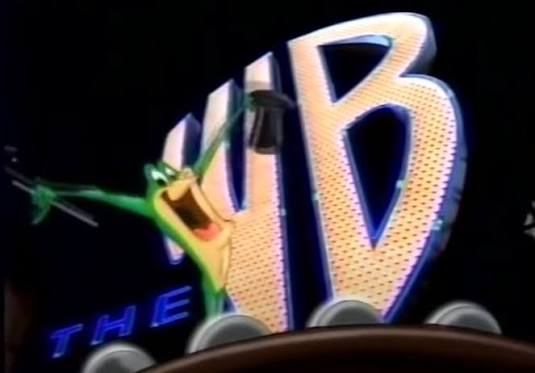
Some other surprising appearances from Michigan J. Frog include that time he appeared on the cover of Leon Redbone’s 1975 ragtime album “On the Track” (via illustration by Chuck Jones and released of course by Warner Bros. Records), that time he appeared in the comic book mini-series Superman & Bugs Bunny, in which he is discovered by and performs only for Green Arrow, and most famously he was the mascot for The WB Network, appearing regularly in promotional material both on screen and off, which led to The WB earning the nickname “the Frog Network.” But once The WB was replaced by The CW, Michigan J. Frog was no longer being used for promos, with WB Network Chairman Garth Ancier officially declaring “the frog is dead and buried” in 2005 when he was attempting to expand the network’s demographic beyond young teens. Killing the frog was kind of a no-brainer for The WB, even though I missed him when he was gone. Although if history is any indication, this is one frog that will survive for ages.