New Posts (Home)
 ChatBox
 Popular Posts
  Game Zone
 Top PodCasts
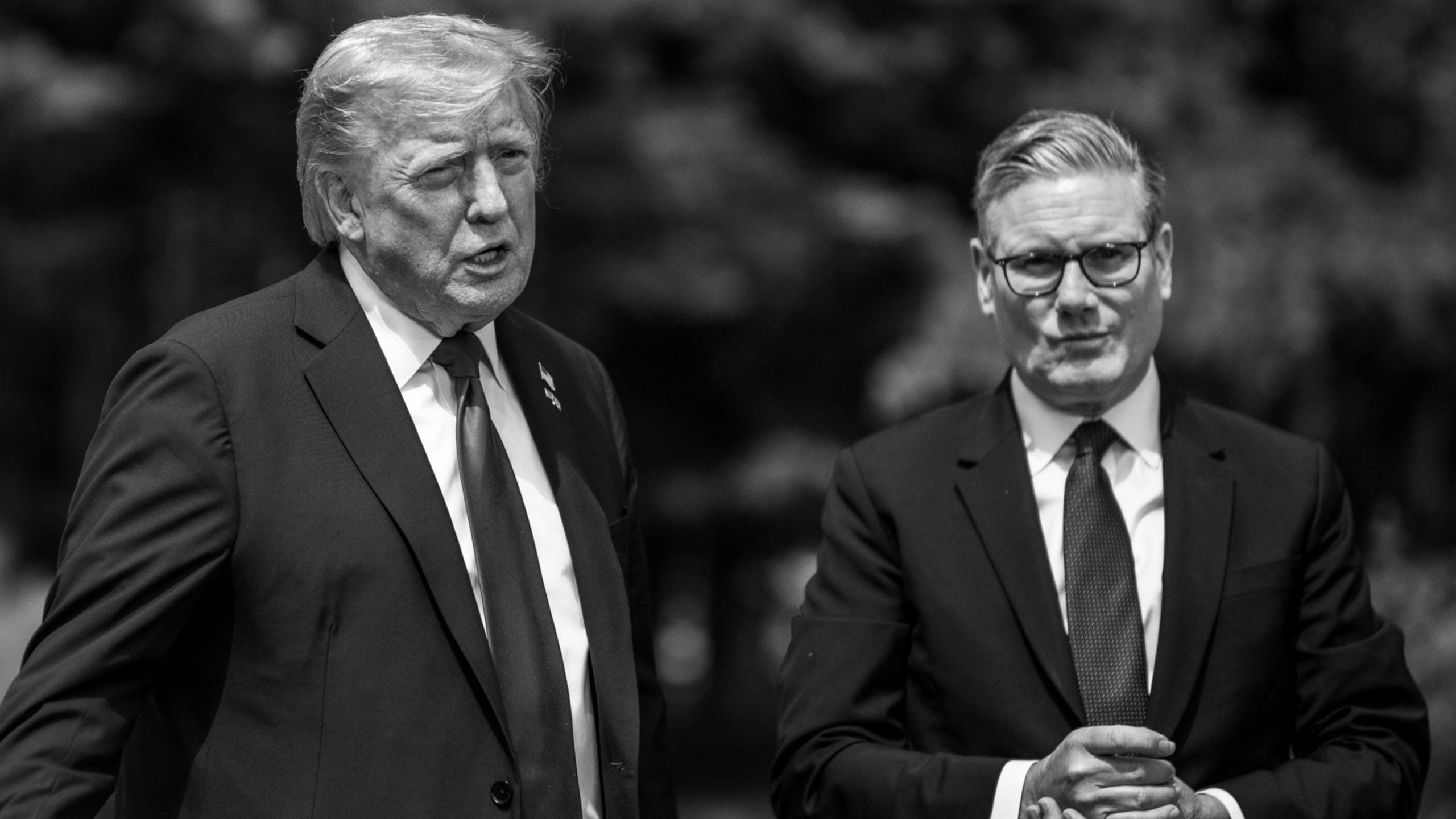
Efforts by the British government to restrict X over its AI assistant Grok have ignited an unexpected diplomatic storm, with Washington warning that ministers and regulators involved could be barred from entering the United States.
The dispute, rooted in the collision between online safety laws and free speech norms, has quickly evolved into a peak of how far Western democracies are willing to go in policing digital communication.
US officials told The Telegraph that they were ready to impose travel bans if Prime Minister Sir Keir Starmer follows through on threats to block X inside the United Kingdom.
One senior figure said Washington “had the right to up the ante” should Britain move to censor a US company.
The danger is a new British law that criminalizes the creation of non-consensual, sexualized AI images.
Technology Secretary Liz Kendall said she would make the offense a formal priority under the Online Safety Act, forcing platforms to demonstrate that they are curbing the spread of explicit synthetic content.
She confirmed that Ofcom, the country’s communications regulator, would gain expanded powers to investigate and, if necessary, suspend access to sites that fail to comply.
Ofcom officials contacted X last week, demanding documentation by Friday showing how the firm enforces safety compliance.
The regulator warned that it could ultimately block the service if the company refuses to cooperate.
That possibility has alarmed Washington, where authorities view the threat as a direct assault on an American firm and on free expression more broadly. “UK officials could face being barred from the US over plans to ban X,” a State Department source told the paper.
The warning was reinforced by Sarah Rogers, President Donald Trump’s undersecretary for public diplomacy, who said during a GB News appearance that “nothing’s off the table” when it comes to defending free speech.
Rogers was unsparing in her criticism. “If the UK bans X, it won’t be the first country to do so. Russia bans X. Venezuela bans X. Iran bans X. Free societies generally don’t,” she said.
She accused the Starmer government of using the language of online safety to disguise a political motive: “What the British government wants isn’t a reasonable, safe, online, discursive environment for women or whatever it claims… What the British government wants is the ability to curate a public square to suppress political viewpoints it dislikes.”
She later posted on X, calling the proposal “a Russia-style X ban,” adding that “America has a full range of tools that we can use to facilitate uncensored internet access in authoritarian, closed societies where the government bans it.”
Washington, particularly under Trump’s leadership, has made opposition to censorship abroad a cornerstone of its tech policy.
The United States has already revoked visas from British and European figures linked to organizations that promote online content moderation, including Imran Ahmed of the Centre for Countering Digital Hate and Clare Melford of the Global Disinformation Index.
Both groups were founded or supported by allies of the Labour Party, of which Prime Minister Keir Starmer is the leader.
A source familiar with Whitehall’s discussions acknowledged that a full ban on X could trigger severe diplomatic retaliation. “They were determined not to sanction any government officials, but they considered X the prize jewel to protect. If X were banned, all hell would break loose,” the source said.
The transatlantic fallout has already spilled into trade. Washington suspended the “tech prosperity” cooperation agreement last month, citing Britain’s censorship direction under the Online Safety Act.
Members of Congress have also joined the pushback. Republican representative Anna Paulina Luna warned that she would introduce legislation to “sanction not only Starmer, but Britain as a whole” if Labour proceeds with restrictions.
Secretary of State Marco Rubio echoed the sentiment, describing European and British moves against Musk’s company as “an attack on all American tech platforms and the American people.”
Asked about the escalating dispute, a State Department spokesperson declined to address specific sanctions but reiterated: “The United States will continue to take all necessary actions to protect the free speech rights of our citizens from foreign threats.”