New Posts (Home)
 ChatBox
 Popular Posts
  Game Zone
 Top PodCasts


In July of 2017, we took a trip down through Virginia, making several meaningful stops along the way, and one of the most important was our visit to Appomattox Court House. This small village holds an outsized place in American history as the location where the American Civil War effectively reached an end. Entering the grounds was akin to entering a timeless moment, imbued with the profound presence of history.

It was important for us to include Appomattox Court House as part of this trip because of how significant and pivotal the location is to the end of the Civil War. This was not just another battlefield or monument, but the place where years of conflict, loss, and division finally gave way to surrender and reconciliation. Being there in person gave us a deeper appreciation for the gravity of what happened.
Appomattox Court House is the name of the small town that was selected for the surrender of Confederate troops led by Robert E. Lee to Union forces commanded by Ulysses S. Grant. Contrary to what many people assume, the town itself was not chosen for its courthouse but rather because it was where Lee’s army found itself surrounded and unable to continue.
Although the town does have a courthouse, this building was not the site where the surrender documents were signed. That detail often surprises visitors, and it was something we found especially interesting during our visit. The name Appomattox Court House refers to the village itself, not specifically to the structure where legal proceedings once took place.
The actual surrender occurred at the McLean House, a modest brick home that became one of the most important locations in American history. Standing inside the house, it is difficult not to imagine the tension and emotion that must have filled the room on that April day in 1865.
As we moved through the site, the park did an excellent job of recreating the village as it appeared during the Civil War era. The buildings, paths, and open spaces help paint a clear picture of daily life in the town and what it may have looked like when Union and Confederate soldiers filled the area during those final days.
One of our favorite parts of the visit was hearing the story of the witness doll. The tale centers around a small doll that was present in the McLean House at the time of the surrender, quietly observing history unfold. Whether viewed as a simple household item or a symbolic witness to the end of the war, the story adds a very human and personal layer to the event.
The story of the Witness Doll is one of the most unusual and quietly haunting legends connected to Appomattox Court House, tying an ordinary child’s toy to an extraordinary moment in American history. According to tradition, the small doll was inside the McLean House on April 9, 1865, when Confederate General Robert E. Lee met Union General Ulysses S. Grant to sign the surrender that effectively ended the Civil War. While history was being decided by generals and officers, the doll sat silently in the room, an unassuming observer to the close of a national tragedy.
The doll is believed to have belonged to a young girl connected to the McLean household and was left in the parlor where the meeting took place. As the surrender terms were discussed and finalized, the doll remained nearby, facing the men whose decisions would reunite the nation. Over time, this simple toy earned the name “the Witness Doll,” a symbol of the civilian presence during a moment dominated by military authority and political consequence.
After the surrender, the story takes an even more intriguing turn. According to legend, one of the soldiers present at Appomattox took the doll with him as a souvenir of that historic day. In an era when soldiers often carried small keepsakes from significant events, the doll traveled far from the McLean House, disappearing from public view for many years as it remained in private hands.
Decades later, the doll reportedly resurfaced and was eventually returned to the care of the site, finding its way back to Appomattox. Its return transformed it from a forgotten curiosity into a powerful artifact of memory, reconnecting the object to the place where it had silently “witnessed” the end of the war. The idea that the doll left with a soldier and later came home adds a layer of poignancy, as though it completed a long journey back to its rightful historical setting.
Today, the Witness Doll’s story continues to captivate visitors, blending documented history with enduring folklore. Whether viewed as a symbolic relic or simply a remarkable survivor of a pivotal moment, the doll represents the deeply human side of Appomattox. It reminds visitors that history is shaped not only by famous figures and formal documents, but also by small, personal objects that carry stories across generations.
The witness doll story stayed with us long after we left the house. It serves as a reminder that history is not only shaped by generals and armies but also by ordinary people and everyday objects that happen to be present at extraordinary moments.
We enjoyed the gift shop at Appomattox Court House, where we found thoughtful and historically inspired items. One purchase that stood out to us was a replica of the witness doll, which we brought home as a unique reminder of our visit and the stories we learned there.
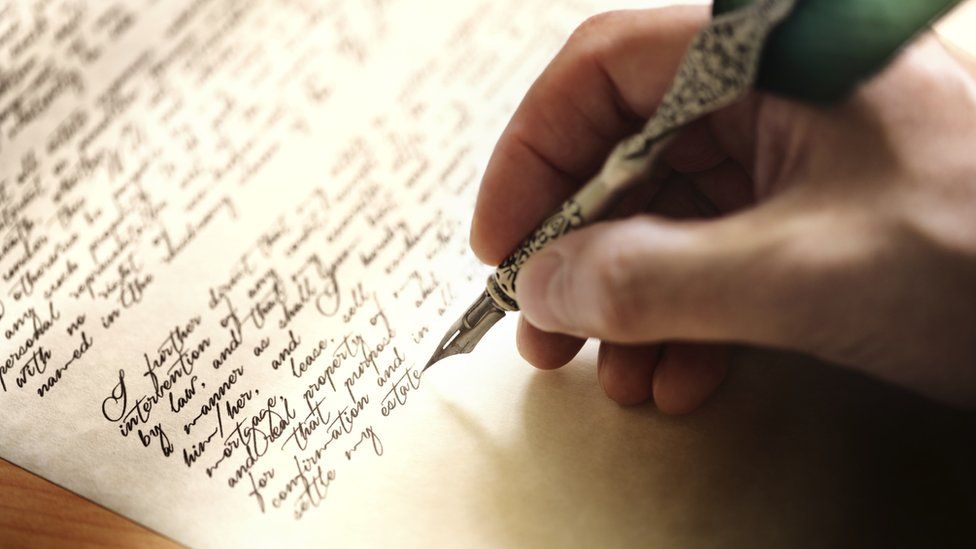
Another highlight of the visit was the print shop, which offered insight into how critical communication was at the end of the war. This building played an essential role in producing printed waivers that allowed Confederate soldiers to return safely to their homes after the surrender.
Learning about the printing of these waivers was especially powerful, as it illustrated how the surrender was not meant to humiliate or punish but to bring closure and allow soldiers on both sides to move forward. The simple act of printing documents carried enormous meaning for thousands of men eager to return to their families.
The small print shop at Appomattox Court House played a quiet but crucial role in the closing moments of the American Civil War. While the surrender itself took place nearby, the work done inside this modest building helped translate the terms of surrender into something practical and humane. After years of brutal fighting, the war did not simply end with handshakes and signatures—it ended with paperwork, ink, and careful labor at the press.
Following General Robert E. Lee’s surrender to General Ulysses S. Grant in April 1865, Confederate soldiers faced an uncertain journey home. Many were far from their families, traveling through territory still occupied by Union forces. To prevent chaos, arrests, or retaliation, parole passes were required. These documents officially stated that the soldiers had surrendered, agreed not to take up arms again, and were permitted to return home without interference as long as they honored those terms.
The Appomattox print shop became essential almost immediately. Printers worked quickly to produce thousands of parole forms, using hand-operated presses and movable type. Each document had to be clear, legible, and uniform, as mistakes could put a soldier at risk while traveling. Once printed, the forms were filled out, signed, and distributed to Confederate troops—often folded and carried carefully in pockets or knapsacks as proof of their new status as paroled men rather than enemies.
For the soldiers receiving them, these printed passes were more than just pieces of paper. They represented safety, mercy, and the first step toward rebuilding lives shattered by war. A simple printed line could mean the difference between being detained or being allowed to pass freely through towns, checkpoints, and Union lines. In many ways, the print shop helped ensure that the surrender was not only symbolic but also orderly and compassionate.
Today, the print shop stands as a powerful reminder that history is shaped not only by generals and armies but also by tradesmen and everyday labor. The clatter of the press at Appomattox marked the transition from war to peace, one sheet at a time. In that small room, ink and paper helped close one of the darkest chapters in American history—and opened the long road home for thousands of weary soldiers.
As we walked through the print shop, it was easy to imagine the urgency and importance of the work being done there. Each printed page represented freedom of movement and the beginning of a long healing process for a divided nation.

The overall atmosphere at Appomattox Court House is quiet and reflective, encouraging visitors to slow down and absorb the significance of what took place. Unlike many large historical sites, the calm nature of the village makes the experience feel deeply personal.
Visiting Appomattox Court House gave us a stronger understanding of how the Civil War concluded and why the manner of surrender mattered so much. The respect shown between opposing sides at this location set a tone for reunification that still resonates today.
Looking back on our July 2017 trip through Virginia, our stop at Appomattox Court House remains one of the most meaningful experiences. It was a powerful reminder of the cost of war, the importance of compassion at its end, and the enduring impact of this small town on American history.