New Posts (Home)
 ChatBox
 Popular Posts
  Game Zone
 Top PodCasts


If nobody lives in a house with a broken window, it can sit for years, letting wind and rain blow in. Neighbors complain to the homeowner about the ugly sight, but the owners pretend nothing feels wrong because the draft serves a purpose. Only when discomfort outweighs convenience will the owners finally repair.
Advertisement
A Warning That Landed Hard
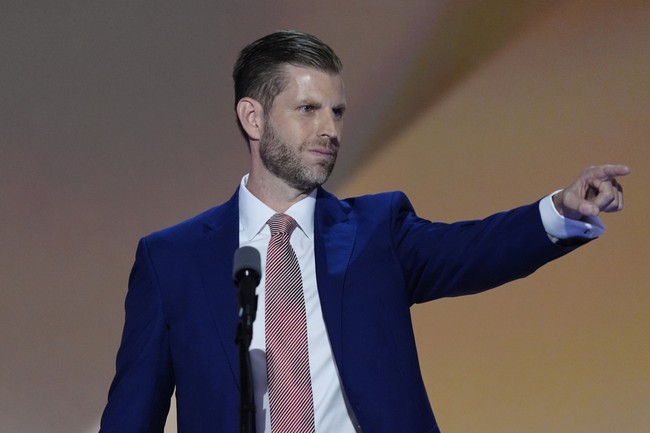
President Donald Trump's son, Eric, was a guest on Alex Marlow's podcast recently, and he didn't mince words while discussing Minnesota's current political firestorm. He described a country under siege, pressured by radical activists who protect corruption and engage in selective enforcement.
Minnesota, he said, stands as a symbol, not an exception, as fraud investigations keep piling up, while state political leaders have been avoiding any serious attempts to clean things up.
In his view, silence isn't accidental; it protects votes.
The Pattern Nobody Wants to Admit
It's no coincidence that financial fraud cases tied to nonprofit networks and public funds keep surfacing in Minnesota. Billions of dollars have moved through systems meant to help vulnerable people, following a familiar pattern: charges will be filed, followed by convictions, while accountability at the political level won't follow.
Leaders preaching integrity elsewhere suddenly blame situations on complexity, patience, or misplaced compassion. There is never a resolution because solving them risks alienating activist blocs and donor pipelines.
Why ICE Became the Villain
Pressure campaigns against ICE didn't suddenly appear from nowhere. Routine enforcement is tracked by activists while ignoring organized fraud tied to illegal labor and identity abuse.
Advertisement
It's easier and receives more exposure when Democrats line up against ICE, rather than facing hard questions about law enforcement gaps.
Eric Trump argued that protecting enforcement would cost votes; condemning enforcement earns applause, while incentives guide behavior.
Activists, Donors, and Political Cover
Marlow described a coordinated ecosystem where activist groups create the noise, donor networks supply the funding, and politicians provide cover. Honest debate is replaced by legal pressure.
A test case rose from Minnesota, where enforcement met resistance; not because facts lacked clarity, but because political coalitions remain dependent on disorder continuing to stay unresolved.
Election Integrity Questions Won’t Vanish
Eric Trump tied the corruption issues in Minnesota to broader election integrity concerns nationwide. When leaders insist that election systems remain flawless, cases of massive fraud begin to strain credibility.
Minnesota, again, follows the old script: voters notice and voice concerns about the contradictions, followed by money trails uncovered by investigations, and, despite the growing evidence, officials still insist there is no connection, eroding public trust because accountability feels selective.
Why Cleanup Never Comes
Cleaning up Minnesota requires something rarely seen in politics: admission of failure. Admitting failure threatens their power. Power protects itself, and Democrats who rely on urban activist turnout and immigrant voting blocs wait as long as they can before confronting criminal networks working within those communities. Silence feels safer because enforcement risks receiving backlash.
Advertisement
Broken windows stay broken.
Final Thoughts
That broken window continues to accumulate damage until somebody replaces it for long-term stability.
Because political leaders benefit from the drafty window, the problems in Minnesota will continue. Eric Trump's warning wasn't an exaggeration of conditions; it described incentives. Any attempt at fixing corruption risks losing votes. Power is preserved by ignoring corruption, and until priorities finally change, the window remains shattered, and everybody inside pretends the cold, wet air feels normal.
PJ Media VIP members make work like this possible by supporting commentary that challenges comfortable silence and political convenience. Join today and help keep accountability alive.