New Posts (Home)
 ChatBox
 Popular Posts
  Game Zone
 Top PodCasts

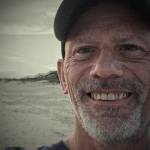
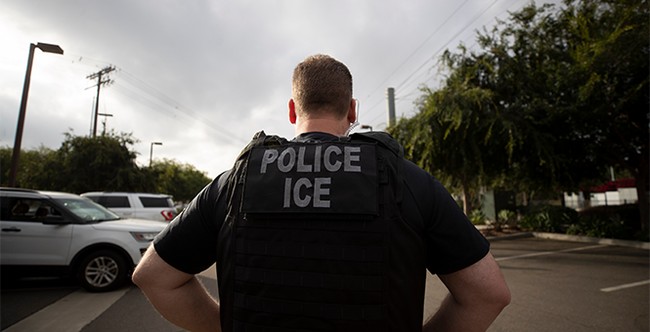
Greg Bovino, a senior U.S. Border Patrol official who commanded the Trump administration’s big city immigration enforcement effort, was denied service at a Speedway gas station.
Advertisement
What Happened in Minneapolis
Bovino tried to buy items at a Speedway location in Minneapolis while wearing official identification connected to his federal role. Store staff refused to serve him once they realized what his job was.
There was no crime committed, and no disturbance followed; it came solely from political hostility toward the badge Bovino wore. A routine stop turned into a public rebuke for enforcing federal law.
The incident sent a clear message that obeying national immigration statutes now invites personal retaliation in everyday spaces.
Who Is Bovino?
Greg Bovino is a high-ranking Border Patrol commander who played a central role in coordinating immigration enforcement operations for the Trump administration. He didn't simply operate border patrol checkpoints; he focused on interior enforcement.
Bovino didn't work in secrecy; he carried out duties assigned by the executive branch, backed by Congress and upheld by federal courts.
Policies don't change after targeting officials like Bovino; they target the people tasked with carrying out those policies.
How Politics Leaks Into Daily Life
At one time in American history, political disagreement was confined to voting booths and debates; now, the latest trend pushes punishment into grocery aisles, restaurants, and gas stations.
Commerce becomes coercion when refusal of service is used for lawful enforcement, signaling that specific jobs place people outside acceptable society. That posture inflames tension instead of resolving disputes.
Advertisement
Border Patrol and ICE agents already face danger whether on duty or not. Extending that hostility into civilian life erodes basic norms of fairness and safety.
Words Matter
Language shapes behavior, and years of portraying immigration enforcement as cruelty or oppression created an environment where shaming agents feel justified.
Activists claim the moral high ground while encouraging harassment, and officials become symbols instead of people, while law enforcement becomes a target instead of a function.
The Speedway incident didn't happen in a vacuum; it reflects a broader campaign that treats federal officers as villains, not public servants.
The Precedent No One Likes
What happens when Border Patrol officials are denied service today? Who's next? Police officers, National Guard members, federal marshals, or anybody whose job offends a political faction? Anybody wearing a red shirt because it resembles MAGA red may be next.
Final Thoughts
Greg Bovino was turned away at a Minneapolis Speedway, but the danger extends beyond a single transaction. When enforcing the law leads to public shaming, any respect for order weakens.
Public order depends on people willing to enforce laws even when politics turns ugly. PJ Media VIP digs into how personal harassment of federal officers undermines enforcement, fuels division, and creates real-world consequences. Join the conversation.