New Posts (Home)
 ChatBox
 Popular Posts
  Game Zone
 Top PodCasts


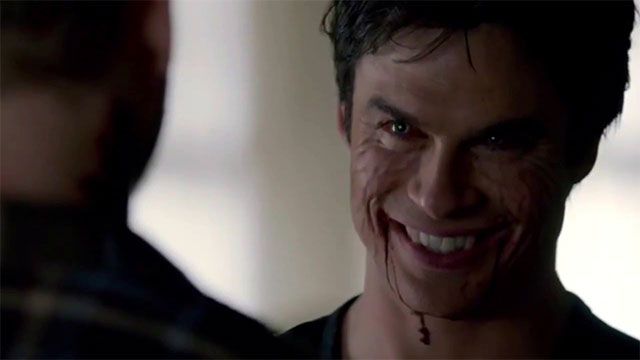
While neither the WB nor UPN were seen as serious threats by major broadcast networks like NBC and ABC, they left a pop cultural mark with programs like Buffy, Dawson’s Creek, Smallville, Gilmore Girls and America’s Next Top Model. Unfortunately both networks were not worth the cost of operating in the eyes of Time Warner and CBS (which took control of UPN after CBS split from Viacom in 2005), especially since Time Warner was in serious financial debt in the early 2000s, one of WB’s worst financial periods thanks to the disastrous AOL merger. To the point where the company had to sell off Warner Bros. Records and shutter Warner Bros. Feature Animation (the studio behind Space Jam and The Iron Giant) which had four box office bombs in a row ever since the 1998 release of Quest for Camelot.
So on January 24, 2006, CBS and Warner Bros. announced that both UPN and the WB would shut down and merge into a new broadcast network called the CW Network (which literally stood for the CBS WB Network), with the plan being to combine the best shows from each network and for CBS and WB to both co-own the network while sharing an equal financial stake.
Shows from the WB that came back for one or more extra seasons on the CW include 7th Heaven, Gilmore Girls, One Tree Hill, Smallville, Supernatural, Reba and Beauty and the Geek. Shows returning from UPN included Veronica Mars, Everybody Hates Chris, Girlfriends, All of Us, America’s Next Top Model and WWE Smackdown! Kids’ WB did not go through any radical changes aside from a name change to CW4Kids and later 4Kids TV (named after 4Kids Entertainment, the New York-based company responsible for licensing the anime shows Pokémon and Yu-Gi-Oh! to Kids’ WB, signifying a shift towards more anime and action-packed shows for this block’s schedule in the CW era).
The only original programs to air during the CW’s 2006 fall debut were the short-lived drama Runaway (2006) and Girlfriends spin-off The Game (2006-09). But the network had even bigger success down the road with popular shows like Gossip Girl (2007-12), 90210 (2008-13), The Vampire Diaries (2009-17), Vampire Diaries spin-off The Originals (2013-18), The 100 (2014-20), Jane the Virgin (2014-19), iZombie (2015-19), Crazy Ex-Girlfriend (2015-19), Riverdale (2017-23), Dynasty (2017-22), All American (2018-present) and famously many shows based on the comics of DC, including Arrow (2012-20), The Flash (2014-23), Supergirl (2015-21, airing on CBS in its first season), Legends of Tomorrow (2016-22), Black Lightning (2018-21), Batwoman (2019-22), Stargirl (2020-22, streaming on DC Universe in its first season) and Superman & Lois (2021-24).
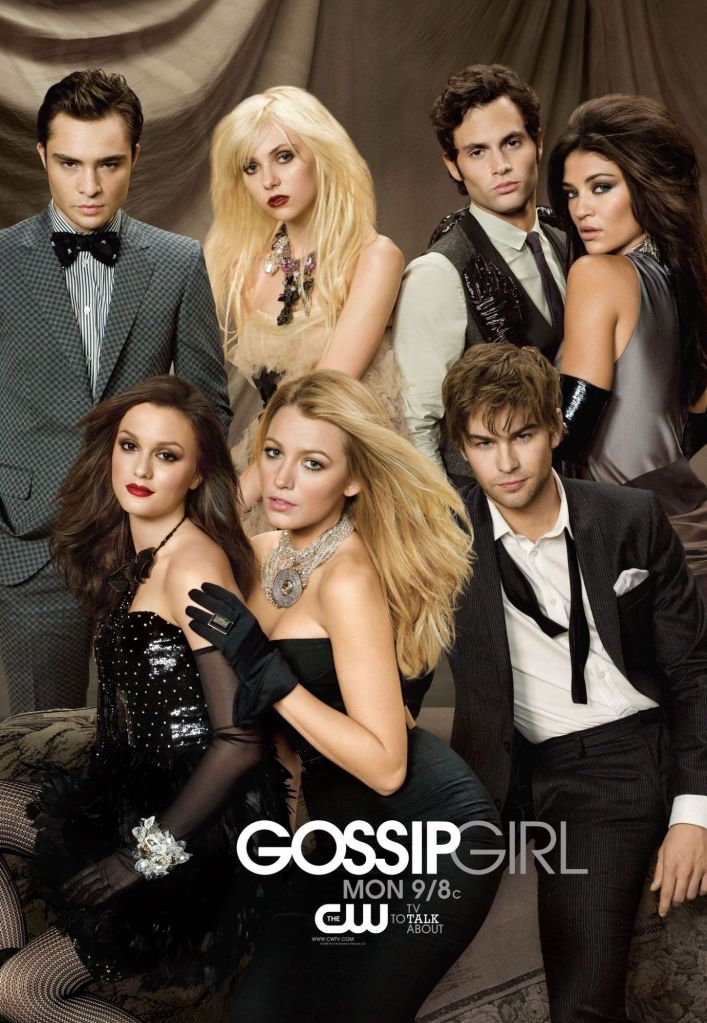
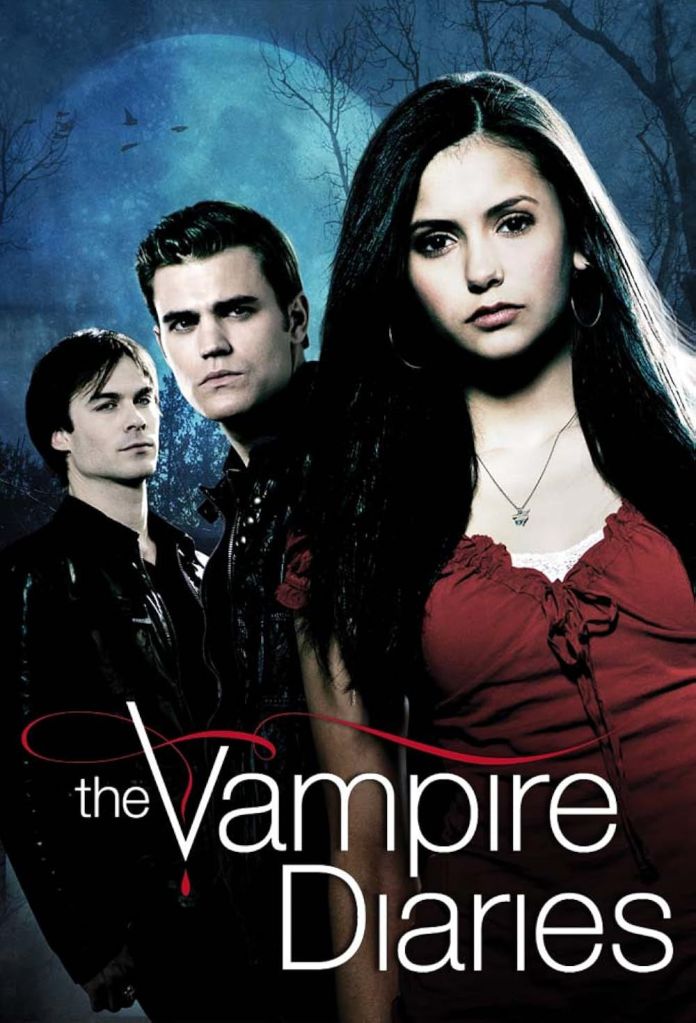
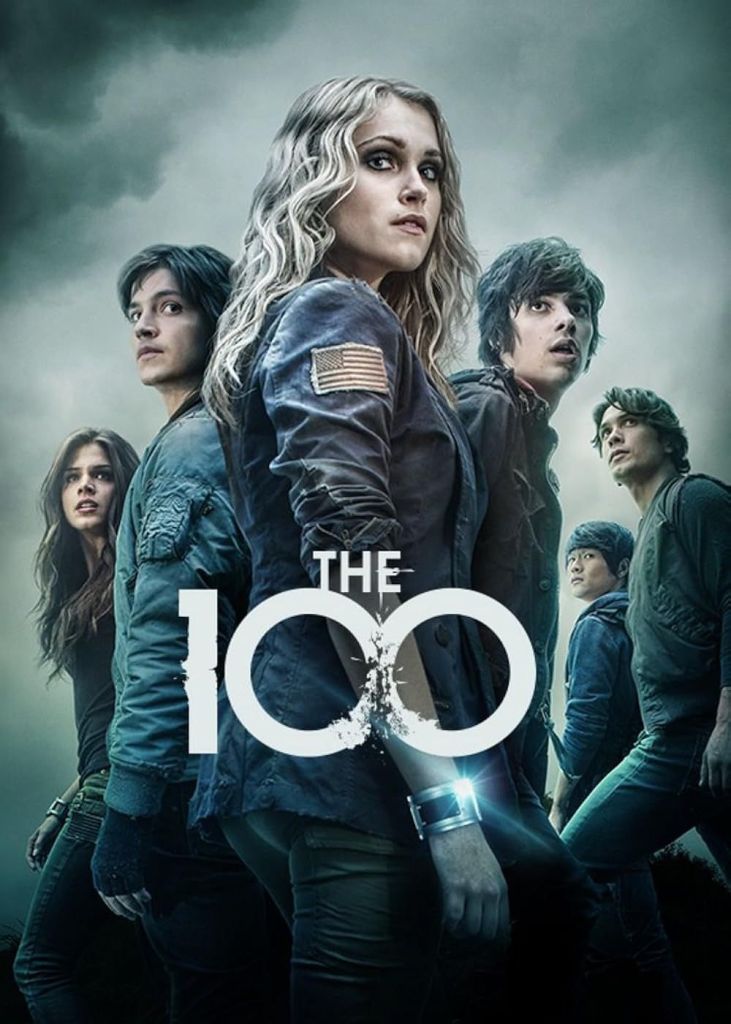
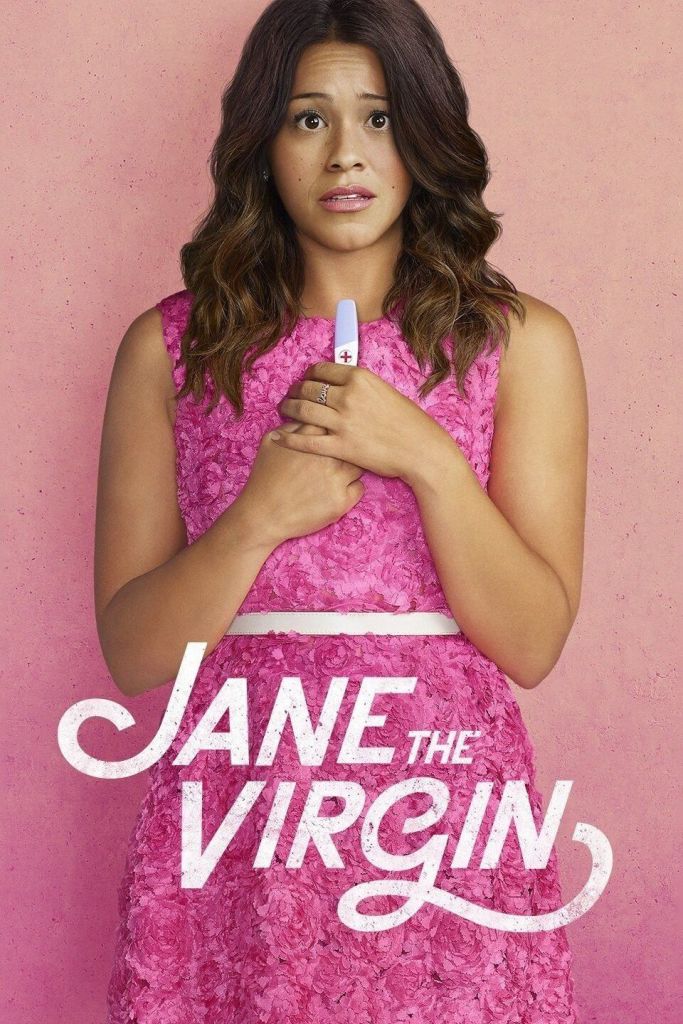
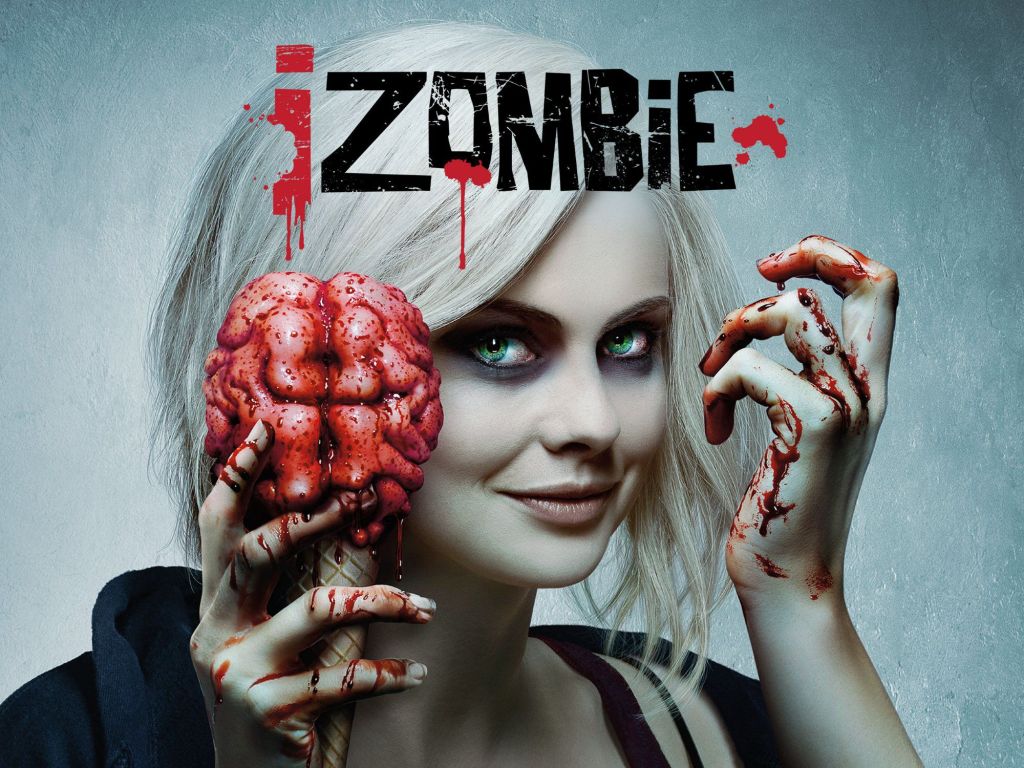
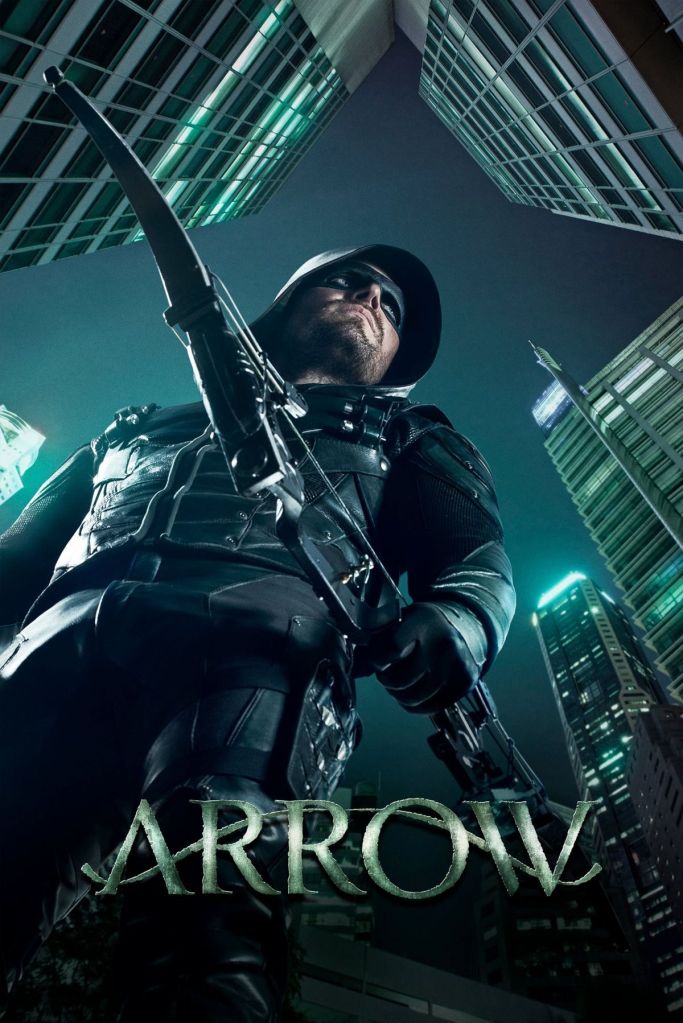
Many of these shows were successful both with their target audience and with critics, so everyone from the writers to the network executives was technically doing everything right. Although this didn’t really solve the financial problems that the WB and UPN were facing because all these shows were still just cult hits that failed to break into the mainstream. The reason why so many of them lasted so many seasons was thanks largely to Netflix, because WB and CBS were making a ton of money off these shows by licensing them to the streaming service. Of course, once WB had HBO Max and CBS had Paramount+, they intended to let their licensing deal with Netflix expire and exploit the popularity of the CW output to boost the popularity of their own streaming services (although to simplify things, the two companies settled on HBO Max becoming the CW’s primary streaming home).

In 2022 the CW was no longer WB and CBS’s problem, because it was reported that Texas TV station owner Nexstar Media Group was in talks to purchase a majority stake in the CW, including both WarnerMedia and ViacomCBS’s shares. Once that sale became official, most of the CW’s scripted programming was purged and almost all were immediately cancelled. Nexstar intended to cut costs as much as possible (which is why they cancelled so many VFX-heavy superhero shows) and focus mainly on unscripted and syndicated content that targeted a broader audience beyond the young adult demographic that the WB, UPN and the CW were all courting. This strategy shift led to many layoffs and a more generic brand identity, but the network is actually turning a profit now by airing sports and reality programs, so I guess networks like the CW of the past are no longer commercially viable.
All the kinds of shows that would have aired on the WB, UPN or the CW in the nineties and early 2000s are now on streaming services like Netflix, which is where practically all kids, teens and young adults currently get their entertainment. Chilling Adventures of Sabrina was a spin-off of Riverdale and even that show was a Netflix original! With the whole television landscape slowly shifting from appointment viewing to on-demand streaming, and the demographic of those who participate in appointment viewing trending older and older, it only makes sense that the first broadcast network to retreat from prime time would be the one whose life blood was the most reliant on the youngest TV fans. And I get it because as a teenager who used to love the CW, if I could only choose one way to watch my favorite shows it would definitely be a streaming service. But I’m also a deeply nostalgic person when it comes to television because I was just as passionate about TV back then as I am now, and there was something kind of special about everyone watching the same thing at the exact same time and then talking about it the next day that I will kind of miss. Although don’t get me wrong – I absolutely love a pause button and I hate choosing between two shows that air at the same time. I’m not THAT sentimental.