www.optimistdaily.com
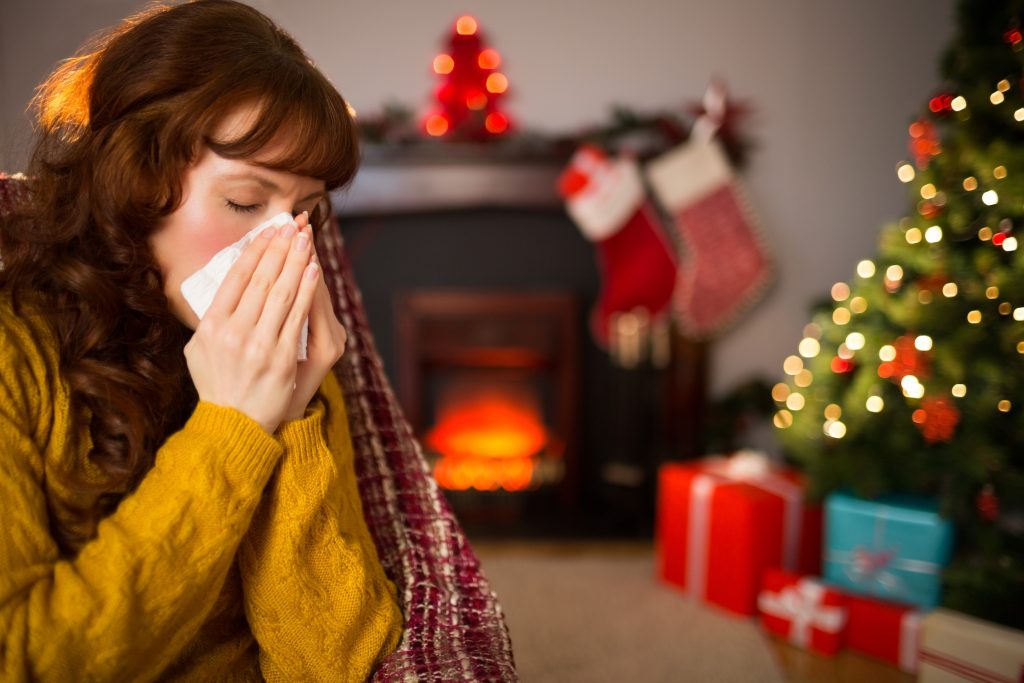
Is it rude to ask if someone’s sick before a holiday hangout? Here’s what the experts say
BY THE OPTIMIST DAILY EDITORIAL TEAM
‘Tis the season of hosting, gathering, feasting! For many of us, this time of year is basically one long parade of hugs, handshakes, shared desserts, and recycled indoor air. It’s also, unfortunately, prime time for the cold and flu carousel to spin at full speed. And while it should feel normal to ask people if they’re sick before they show up to your home (does anyone else remember the global pandemic?), most of us still treat that question like it’s a breach of etiquette.
But here’s the truth: with so many respiratory viruses circulating like the flu, RSV, and good old-fashioned mystery sniffles, a quick “Hey, is everyone feeling well?” is one of the kindest things you can ask. Infectious disease specialist Dr. Linda Yancey and psychotherapist Terri Cole agree: normalizing this conversation protects the people you love.
Why checking in about symptoms actually matters
Many people don’t automatically connect their mild symptoms to the potential impact on others. But as Dr. Yancey explains, “Mild cold symptoms can be serious for certain people and young children.” A little congestion might be nothing to you, but infants, older adults, and immunocompromised friends can end up in the hospital from something as simple as a lingering cough.
RSV is a perfect example. Most adults experience it like a typical cold, but babies under six months and kids under two with heart or lung conditions face a much higher risk of severe illness. The same goes for the flu, a virus that hospitalizes hundreds of thousands of people every year.
And culturally, we’ve been conditioned to “power through” sickness. No paid sick leave? No problem, we’ll often go to work anyway. Social plans that took weeks to coordinate? Why cancel when you can just grab tissues and pretend it’s allergies. As Dr. Yancey puts it, “People don’t want to let down the people around them,” even if pushing through puts others at risk.
How to ask someone if they’re sick (without making it weird)
Terri Cole, LCSW, specializes in boundary-setting, and she says the key is to skip the dramatic lead-in. No “we need to talk,” no family meeting, no nervous texts with seven disclaimers.
Instead, keep it light and collaborative. Try something like:
“Hey, can we agree to let each other know if anyone isn’t feeling well this season? I’m trying to be mindful of everyone’s wellness. I’ll do the same on my end.”
That’s it. No accusations, no guilt-tripping. Just a simple agreement to look out for each other.
Cole also recommends sharing context when it’s relevant. If you’re hosting a gathering where someone’s bringing a newborn or an immunocompromised relative, being upfront helps everyone make informed decisions. “You don’t have to write a thesis,” she says, “but a little background information helps people understand why you’re asking.”
Define what “sick” actually means
One person’s “tiny cough” is another person’s full viral storm. That’s why Dr. Yancey suggests using a clear benchmark: fever.
“A fever of one hundred one or higher is a nice dividing line,” she says. “You’re genuinely sick.”
Congestion and coughs can be trickier to interpret, especially because COVID-19, RSV, and flu all present similarly. But if someone is feverish, coughing, or struggling with more than mild sniffles, or in other words actively symptomatic, then it’s worth hitting pause on the potluck.
You might still get sick (and that’s okay)
Even with check-ins, boundaries, vaccines, and best intentions, holiday germs have range. Indoor gatherings plus cold weather plus travel equals prime conditions for viruses to do what they do.
That said, asking about symptoms gives everyone more agency. It’s a chance to protect yourself, protect vulnerable loved ones, and avoid the dreaded text two days later that says: “Sooo… I just tested positive.”
And remember: if you’re going to ask others to be honest, you’ll need to do the same. As Dr. Yancey puts it, “If you are sick — symptomatic, coughing, congested, especially feverish — you really do need to stay home.”The post Is it rude to ask if someone’s sick before a holiday hangout? Here’s what the experts say first appeared on The Optimist Daily: Making Solutions the News.








 New Posts (Home)
 ChatBox
 Popular Posts
  Game Zone
 Top PodCasts