www.dailysignal.com
Trump’s Christmas Strikes in Nigeria: A Turning Point for Security and Faith
In the midst of the back and forth of Nicolás Maduro’s capture, the seizure of so-call “Ghost Fleet” oil tankers, and the banter over a possible annexation of Greenland, it’s easy to miss the significance of the Christmas U.S. missile strikes in Nigeria which hit ISIS and other jihadist groups. This would be a real tragedy, as this was a real step forward.
On Christmas Day, the U.S. conducted precision airstrikes in Nigeria’s Sokoto State, targeting ISIS affiliates with Tomahawk missiles and killing multiple terrorists in coordination with Nigerian forces. These strikes, launched from a ship off the coast, followed President Donald Trump’s threats against militants attacking Christians and aimed to disrupt violent extremist groups.
While some western analysts worried about sovereignty and unintended consequences, Nigerian officials hailed the joint operation as a success against terrorism.
The Trump administration acted quickly and with firm resolve, and in the process reshaped U.S.-Nigeria ties around safety and faith. Nigeria supported this action and wanted U.S. help. Beginning with a Nigerian state visit to the White House, Trump made it clear that more needed to be done to protect persecuted Christians, and the Nigerians got the point.
The U.S. and Nigeria can and should do more together to fight jihadis in West Africa.
Nigeria carries a tremendous strategic weight. It’s land mass, enormous population, and large military make it a natural anchor from West Africa to the rest of the world.
The United States, long accused of ignoring Africa, truly needs a safe and steady Nigeria. A stable Nigeria does not guarantee stability in the nations around it, but an unstable Nigeria means the entire region is at risk.
Large crime rings and jihadist groups are a threat to both Nigerian and U.S. aims. We cannot have Nigeria collapse like Niger and Mali.
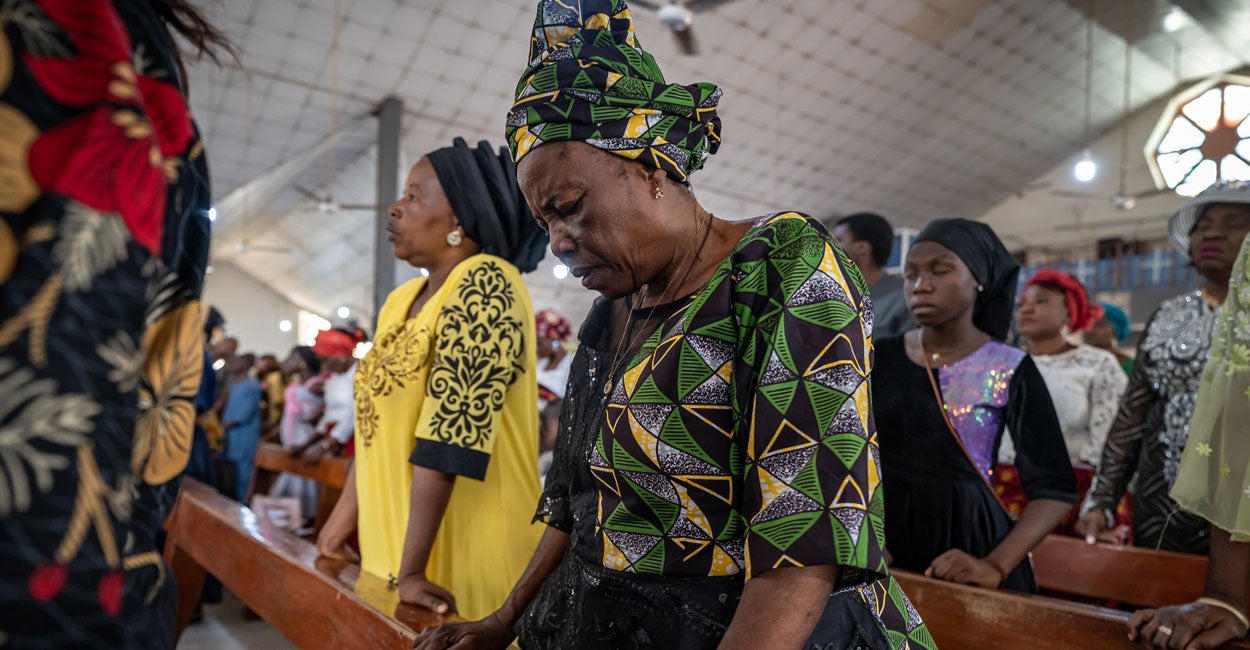
The motivations and context of Trump’s actions are key here. The center piece is protecting Christians who were being persecuted.
The strikes followed Trump’s orders to Secretary of War Pete Hegseth and Secretary of State Marco Rubio to prepare for military and diplomatic intervention to protect Christians facing attacks. It is important to note that Nigerian officials emphasized that in executing the strikes, a clear message was sent to all terror groups—and those who fund and support them—that targeting minority groups of any faith will no longer be tolerated. This is consistent with a broader U.S. policy to combat global radical Islamic terrorism, similar to actions in Syria.
Nigerian officials expressed satisfaction and thanks to Trump, calling it a successful joint operation and highlighting the long bond between the two nations as key allies. They also pointed out the continuing joint efforts on local and regional safety. There are numerous joint U.S.-Nigeria efforts to break up crime webs and terror groups.
Nigeria’s work to guard its borders and disrupt drug, arms, and kidnap rings are aided by a close relationship with U.S. Africa Command. The gains already made rest on strong and steady U.S. backup. The U.S. government should leverage these successes and find additional ways to do to allow the Nigerian government to purchase weapons, intelligence capabilities, and training from the U.S.
The FY 2026 National Defense Authorization Act, signed by Trump, seeks to boost support the Nigerian military.
The NDAA provides $413 million for counterinsurgency and security operations in Nigeria and other African countries. Guarding Christians and all faith groups is essential as Nigeria moves forward together with America. The U.S. move to name Nigeria a “Country of Particular Concern” on faith rights may have been a forcing function for renewed action.
Now, Abuja is moving to match rhetoric with action. President Bola Ahmed Tinubu recently ordered an expanded security surge to protect Christians and people of all faiths—using additional military and police deployments, expanded patrols and rapid response, intelligence-led operations, and tighter federal–state coordination to deny terrorists and kidnappers a safe haven. Tinubu stated, “Nigeria will not yield any community to those who threaten our people—especially in the North Central states and other affected areas.”
There has been on and off harm to Christians over the last decade and the need for swift steps were clear. Nigeria’s duty, in law and in day-to-day work, to guard all faith groups is clear and must be affirmed without any waffling. Lagos appears to understand their requirements.
Tinubu has been clear in his goal to root out terrorists and protect Christians.
Late last year, Tinubu issued a declaration of a national security emergency to strengthen civilian protection and uphold every Nigerian’s right to worship freely. He ordered an expanded security surge in the North Central states and other affected areas—more military and police deployments, broader patrols and rapid-response coverage, intelligence-led operations against terrorist and criminal networks, and stronger federal–state coordination. This included redeploying police assigned to protecting VIPs to the North Central states (the Middle Belt).
The Nigerian government is also advancing the Forest Guards initiative to deny criminals sanctuary, and it has directed enhanced protection around places of worship. These operations remain Nigerian-led, with partner support where appropriate, including ISR.
But more must be done.
Rights related actions that must be taken include the following: Restate and emphasize that Nigeria’s Constitution backs faith freedom and free speech for all Nigerians; publicly describe ongoing work with faith leaders and key world partners to keep those rights real; and note the state’s wide responsibilities to all, with Christians and Muslims in jobs at all ranks.
The Trump administration and their partners in Nigeria need to agree on what comes next.
This should include but not be limited to a call for deeper U.S.-Nigeria work on safety and faith rights; a greater effort for more joint ops, land and property rights reforms and protections in the North Central states; and more aid for at-risk groups and plain talk on wins and gaps.
Lastly, the U.S. and Nigeria should begin a public information campaign to cast this bond as a model for fighting terror and backing basic rights in the region. The FY 2026 funding bill for the Department of State, just passed by House Republicans, while noble, would restrict funding to Nigeria until measurable actions are taken to protect Christians.
This would have the opposite intended effect and undermine the joint efforts by Trump and Tinubu to protect Christians and root out Islamic terrorism in West Africa.
The “Country of Particular Concern” tag and the Christmas strikes marked a key shift in the relationship between the giant of the West, and the giant of Africa.
It can be argued that with U.S. help and Nigerian will power, the two can see West Africa can gain a level of peace and safe worship for all not seen recently.
All political sides in both nations should be united in a call to keep this work going and make the bond even stronger. This effort must not be lost in fog of events elsewhere in the world, the momentum must be maintained.
The post Trump’s Christmas Strikes in Nigeria: A Turning Point for Security and Faith appeared first on The Daily Signal.








 New Posts (Home)
 ChatBox
 Popular Posts
  Game Zone
 Top PodCasts