www.dailywire.com
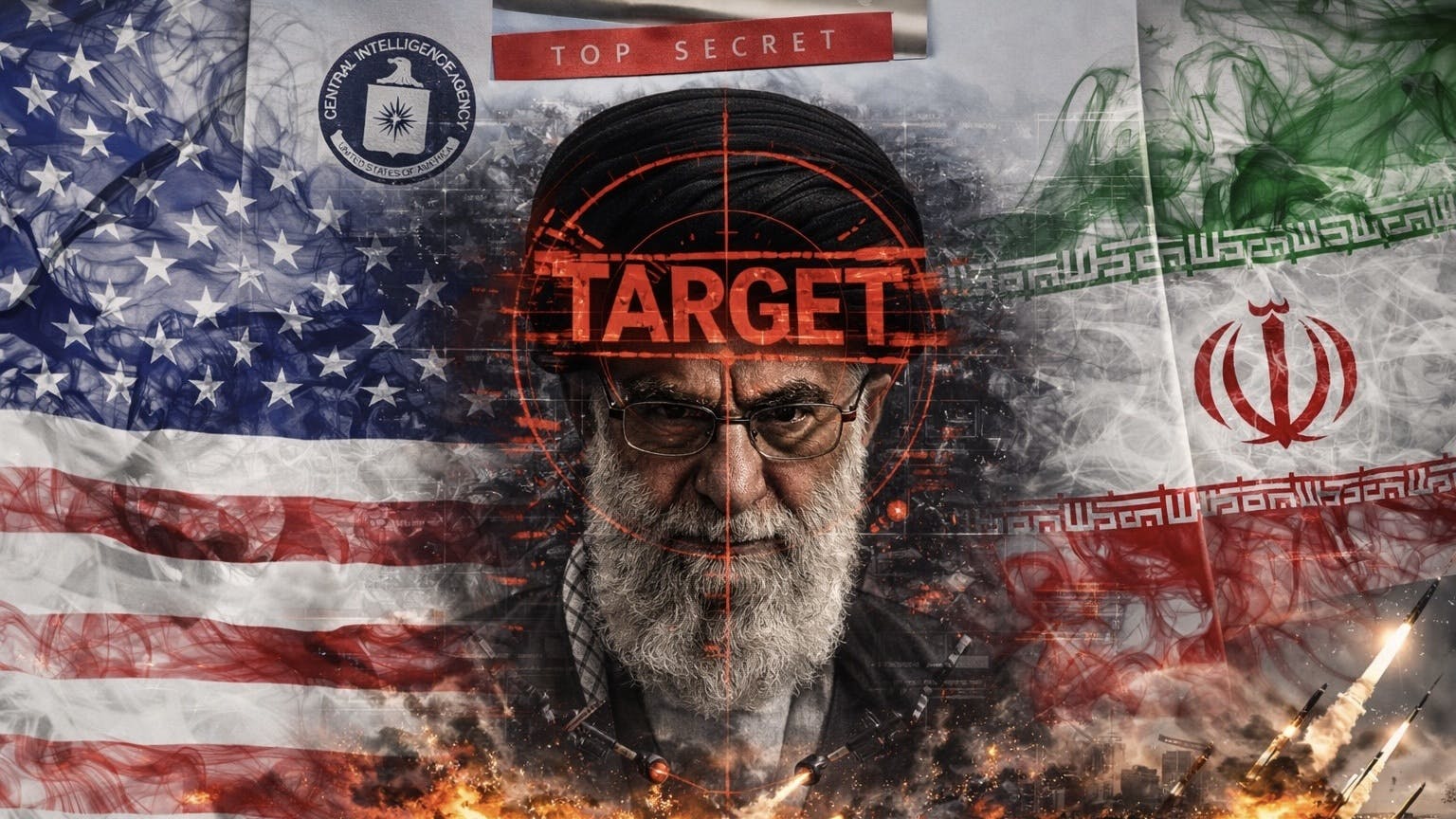
Precision From The Shadows — How The CIA Locked In On Khamenei And An ‘Evil’ Regime
Before the missiles ever lit up the Tehran sky, the hunt was already over.
For months, U.S. intelligence officials were quietly tracking the movements of Iran’s most powerful men, piecing together a detailed picture of where and when they would gather. Analysts monitored patterns, locations, and leadership schedules — waiting for a rare window when the regime’s top figures would be in one place at the same time.
That window came early Saturday morning in Tehran, when senior political and military leaders assembled inside a heavily guarded compound housing the offices of Supreme Leader Ali Khamenei, the presidency, and the Supreme National Security Council.
According to The New York Times, citing people familiar with the operation and officials briefed on the intelligence, the CIA had tracked Khamenei for months and passed what’s described as “high fidelity” intelligence on his location to Israel ahead of the strike. U.S. and Israeli officials reportedly adjusted the timing of the operation after learning that multiple senior leaders would be gathered together.
Israel had assessed that those expected at the compound included Islamic Revolutionary Guard Corps commander-in-chief Mohammad Pakpour, Defense Minister Aziz Nasirzadeh, Military Council head Admiral Ali Shamkhani, IRGC Aerospace Force commander Majid Mousavi, and Deputy Intelligence Minister Mohammad Shirazi, among others.
Around 8 a.m. Tehran time, Israeli fighter jets reportedly took off, armed with long-range precision munitions. Roughly two hours later, missiles struck multiple locations in Tehran, including the leadership compound.
Senior national security officials were gathered in one building, while Khamenei was in another nearby structure, the Times reported. An Israeli defense official claimed that the strike was “carried out simultaneously at several locations in Tehran,” adding that Israel achieved “tactical surprise” despite Iranian preparations for war.
Iran’s state news agency IRNA also confirmed Sunday the deaths of several senior military figures Israel said it targeted, including Shamkhani, Pakpour, and Nasirzadeh.
Hours after Khamenei’s death was confirmed and Iran’s leadership reeled from the blow, Tehran unleashed a volley of retaliatory missiles and rockets toward Israel — fulfilling vows from Iranian officials to launch the “fiercest offensive in history” in response to what they called an unprovoked attack and the killing of their supreme leader. The strikes triggered sustained air-raid sirens across Israeli cities, forcing residents into shelters as air defenses worked overtime.
As of the latest reports, Israeli rescue services and military officials have said that at least ten people have been killed on Israeli soil from Iran’s retaliation — including civilians in Beit Shemesh and Tel Aviv — and dozens more wounded across central and southern regions as a result of incoming missiles and intercept debris.
Last June, as plans were being discussed to potentially strike Iran’s nuclear facilities, President Donald Trump said the United States knew where Khamenei was hiding and could have killed him. At the time, Trump referred to the Iranian regime as “evil,” underscoring how he viewed the leadership in Tehran.
Months of surveillance and intelligence coordination converged in a strike that reshaped Iran’s power structure in a matter of minutes — and ignited one of the most volatile escalations in Middle East history.








 New Posts (Home)
 ChatBox
 Popular Posts
  Game Zone
 Top PodCasts