www.thegospelcoalition.org
Your Spiritual Dryness Might Be a Gift
One of the most unexpected prayers I made as a young Christian was asking God to restore the joy of my salvation (Ps. 51). The early days of my faith were exciting: Scripture reading brought new insights, worship lifted my spirit, and God’s presence overwhelmed me. But after months of spiritual joy, everything felt dull. My passion waned, worship became routine, and God seemed distant.
This change shocked me. I expected my Christian walk to be a steady, upward, exhilarating journey. When reality hit, I wasn’t ready. I thought I was doing something wrong.
I’ve since learned that seasons of spiritual dryness are common for believers. We start with passion, but eventually, it fades. Zeal diminishes. God feels distant. When that happens, we scramble to return to the way things were.
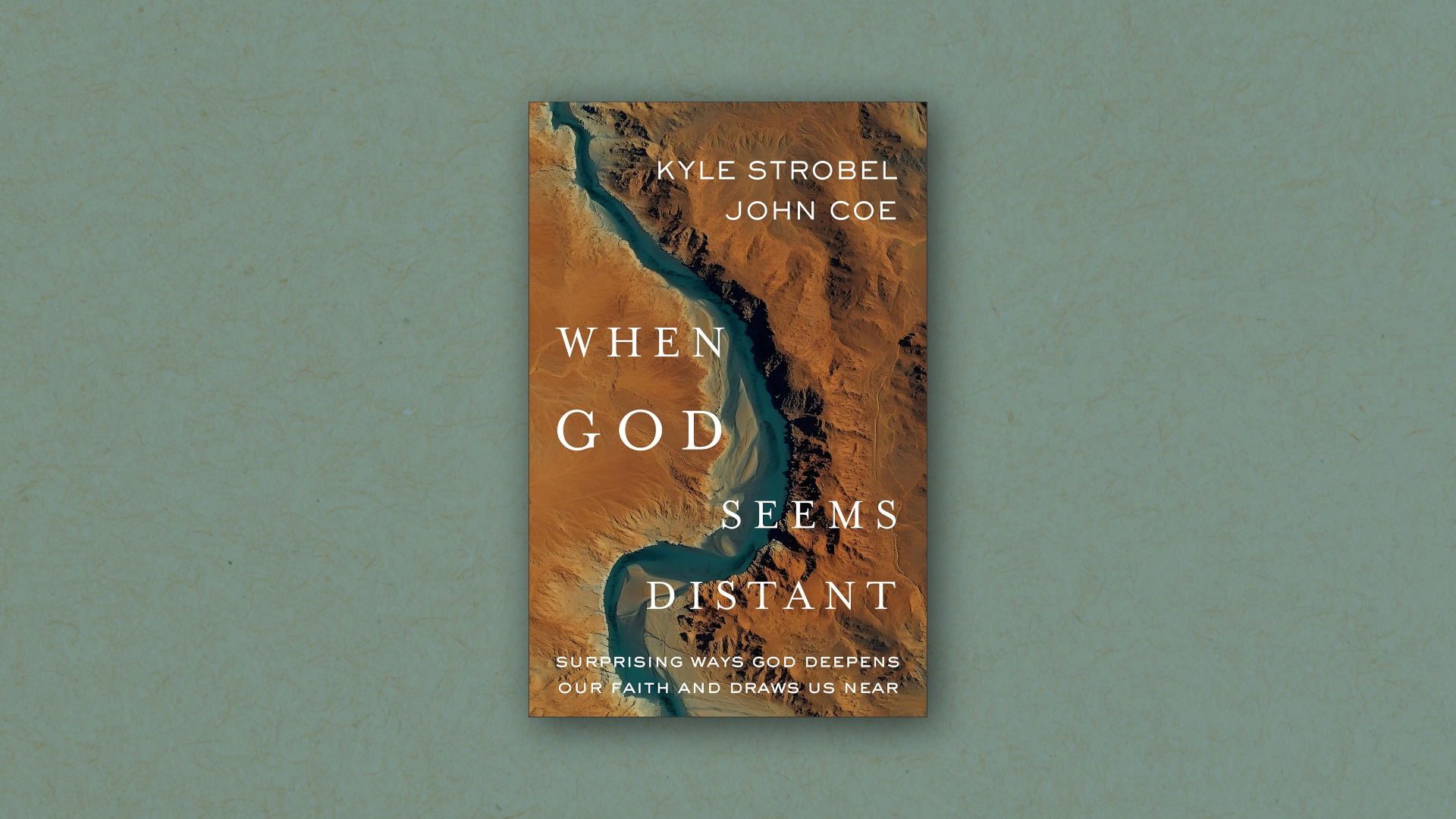
In When God Seems Distant: Surprising Ways God Deepens Our Faith and Draws Us Near, Kyle Strobel and John Coe—professors of spiritual theology at Talbot School of Theology—argue that periods of spiritual dryness and desolation are “gifts even if we would never choose them on our own” (19). Though dry seasons often seem like deserts we must escape, they’re vital for growing spiritually and drawing nearer to God.
God’s Developmental Method of Growth
Spiritual growth is a dynamic experience of development. As new believers, we begin our journey in infancy, feeding only on easy nourishment. But eventually, we need solid food to grow. God uses spiritual dryness and desolation to wean us so we can mature and receive deeper truths. These periods of discomfort reveal what comfort conceals.
“The desert,” Strobel and Coe explain, is where “God is testing us to show us what is in our hearts and to call us to him. This is a gift. This test, as with Israel in the wilderness, shows us how much we are still filled with ourselves and how much our vision of life is still ordered to the world and the flesh rather than the Spirit and God’s kingdom” (45).
Desolation goes even deeper. It “reveals that our goodness—the virtues we have cultivated and the fruit we see in our life—is veined with vice as well” (50).
Our union with Christ gives us confidence that we can never be separated from God. However, “there are times we grapple with the confusion of standing at the cross when we expected to be celebrating a conquering King” (12). That’s what it means to feel like we’re lost in a spiritual desert.
The further we seem to be from God, the clearer our true spiritual state becomes. The perceived distance strips away our illusions of maturity and reveals how much of our devotion is based on feelings rather than steadfast faith. It uncovers the sin that lies hidden beneath our veneer of piety.
The further we seem to be from God, the clearer our true spiritual state becomes.
We might be tempted to interpret these times as signs of spiritual regression—after all, our zeal is gone. But passion doesn’t equate to maturity, nor does discomfort indicate immaturity. “Part of maturation is unlearning how we judge our growth and learning to embrace what the Lord has for us in every season of the soul” (64). The desert and desolation are essential stages in our spiritual development, and there’s a right and wrong way to navigate them.
Running from the Desert
Our most common—and, unfortunately, wrong—response to desolation is to restore our intimacy with God through our own efforts. We instinctively slip into a “do it yourself” mindset and attempt to repair what’s broken. This impulse flows from a deep-seated belief that we must “generate excitement and passion to fuel the Christian life” (42).
Our actions may look commendable; we serve, practice spiritual disciplines, and deepen our devotion to God. Yet, often, the harder we try to regain our former zeal, the further we drift from God’s work in the desert.
We move further from God when we hide behind our activities instead of coming before him. Strobel and Coe write, “When we avoid drawing near to the Lord this way, we are tempted not to come out of hiding, and we are in danger of living our lives relying on passion for more motivation or responding moralistically to attain faithfulness” (154).
I experienced this when I first felt God’s absence. I tried new spiritual disciplines, served more at church, and even memorized entire books of the Bible, hoping my efforts would draw God’s presence back. Yet I realized I was relying on myself for growth rather than on God. Spiritual disciplines are important in the Christian life, but they aren’t techniques that guarantee a certain feeling. What I needed wasn’t more activity but to surrender.
True surrender means depending on God and being attentive to what he’s teaching us in every season. “Our call is not to generate an experience or get out of desolation but to inquire of the Lord about what it means to be faithful and obedient from the heart” (171).
Path to Spiritual Maturity
God gives believers desolation and dryness to mature us and reveal whether our faith comes from an abiding trust in him or from fleeting feelings. Though they’re rarely what we’d choose, they’re often exactly what we need.
True surrender means depending on God and being attentive to what he’s teaching us in every season.
It seems paradoxical to embrace times when God appears distant as opportunities for deeper intimacy. Yet this pattern runs throughout Scripture. When David was in the wilderness—hunted, alone, and feeling far from God—his response wasn’t to strive harder or escape it but to seek God (1 Sam. 23–24). The desolation didn’t drive him away; it made him thirst after God. Likewise, the deserts and desolations we encounter aren’t detours but the way to becoming a people after God’s heart.
Strobel and Coe help readers recover this vision of spiritual growth. They correct faulty conceptions of maturity and teach how to draw near to God in difficult times. What makes the book especially compelling is how closely the authors’ descriptions mirror the lived experience of many Christians. Their account of spiritual desolation—and of our instinctive attempts to correct it through self-effort—will resonate deeply with readers who have been confused by dryness and frantically tried to escape it.
This is the book I wish I had when I first encountered desolation. It would have spared me unnecessary mistakes and helped me recognize God’s invitation in the desert rather than inadvertently running from it. When God Seems Distant equips readers to survive and thrive in seasons when their spiritual life seems dry.








 New Posts (Home)
 ChatBox
 Popular Posts
  Game Zone
 Top PodCasts