homesteading.com
The Complete Homemade Laundry Detergent Guide: Recipes, Tips, & Borax-Free Options
At a Glance: Homemade Laundry Detergent
Powder is the quickest form to make and has the longest shelf life.
Homemade soap behaves differently than store detergent.
HE washer owners need a finely grated, low-suds formula and a monthly maintenance cycle.
Going to the laundry aisle feels daunting nowadays. Due to the high prices of detergents, you might be looking for an eco-friendly DIY laundry detergent that actually cleans your family’s clothes. This guide covers everything from the soap formulas to the machine safety rules. You just need the right ingredients, a grater, and about 20 minutes to make a homemade laundry detergent.
Comparisons: Weighing Your Laundry Options
Homemade Laundry Detergent vs. Commercial Detergent
Here’s what most recipes don’t tell you upfront. Commercial laundry products are synthetic detergents. They’re engineered to rinse completely clean in any water temperature and leave zero residue. Homemade recipes use traditional soap,which behaves differently.
Soap molecules bond with hard-water minerals and cling. Over time, that bond builds up inside fabric fibers and turns white laundry a dull, dingy gray. This is why so many people make a batch of homemade detergent, stick with it for awhile, and then go back to Tide after a month.
The fix is simple and it costs almost nothing. We’ll cover it in the machine safety section. But know this going in: homemade detergent works well when you understand how it actually behaves in water.
Liquid vs. Powder Homemade Laundry Detergent
FormatBest ForStorage and Shelf LifePros and ConsPowderWarm and hot water washingLongest shelf life, compactEasiest to mix, but may struggle to dissolve in cold waterLiquidCold-water washing and delicatesShorter shelf life, bulkyDissolves fast, but separates over time and needs shakingTabsQuick pre-measured loadsNeeds airtight storageConvenient and waste-free, but requires a 24-hour drying period
For a first batch, start with powder as it’s the simplest to make.
Borax vs. Baking Soda for Laundry
These two ingredients do different jobs. Borax is a water softener and a cleaning booster. It raises the pH of your wash water, which helps soap lift dirt more effectively, and it works especially hard in hard water. Baking soda is a deodorizer and a mild abrasive. It softens the formula, neutralizes odors, and makes powder easier to scoop. Most recipes use both because they complement each other.
The Ingredients: What Goes In and What Stays Out
What Are the Ingredients for DIY Laundry Soap?
Tools you’ll need:
A box grater (non-aluminum) or a food processor with a grating attachment
A large mixing bowl
A wide-mouth glass jar with a tight-fitting lid
A tablespoon measure
Staple ingredients:
A laundry-grade soap bar
Washing soda (sodium carbonate, found in the laundry aisle)
Baking soda
Borax, optional
Homemade Laundry Detergent with Fels-Naptha or Castile Soap
These are your two main soap choices:
Fels-Naptha is a hard, dense laundry bar that’s been around since 1893. It’s excellent at cutting through grease, body oils, and ground-in dirt. It graters fine and dissolves well. If your household produces real laundry grime, use Fels-Naptha in making homemade laundry detergent.
Castile soap (Dr. Bronner’s unscented bar is the standard) is gentler, made from plant oils, and free of the synthetic compounds found in Fels-Naptha. It’s a better choice for sensitive skin households, and it’s the only option you should be using for baby laundry.
Both work with the same powder and liquid recipes.
Homemade Laundry Detergent Without Borax
Borax is safe as a laundry additive for most adults. The concerns you’ll find online center on ingestion or prolonged skin contact. That said, it’s completely optional.
What can you use instead of Borax in laundry detergent? Replace it one-for-one with extra washing soda. Your formula will be slightly less powerful in very hard water, but for most households it’ll clean just as well. If you’re in a hard-water area and skipping Borax, add an extra half cup of washing soda to compensate.
Homemade Laundry Detergent with Essential Oils
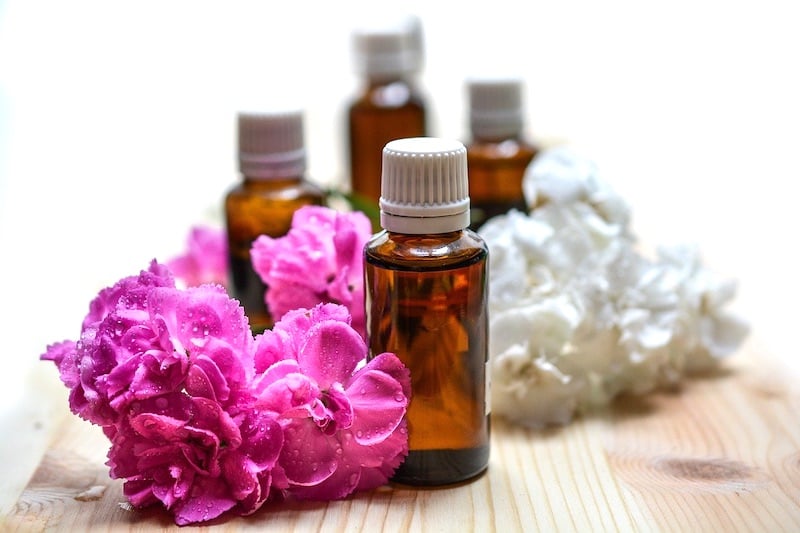
Essential oils don’t clean your laundry. They leave a light, natural scent that doesn’t come from synthetic fragrance compounds. They cling to the soap particles in your powder and release gradually during the wash.
The best essential oils for homemade laundry detergent:
Lavender: Clean, light, and universally liked
Tea tree: Antimicrobial and good for gym clothes or towels
Eucalyptus: Fresh and strong, works well for bedding
Add 20 to 30 drops per batch for powder, 15 to 20 for liquid. Drizzle them over the powder after mixing and stir again. If you’re making a formula for babies or sensitive skin, skip the oils entirely.
How to Make the Best Homemade Laundry Detergent Recipes
How to Make Homemade Laundry Detergent Powder
This batch makes 40 to 50 loads.
Ingredients:
1 bar (about 4.5 oz) Fels-Naptha or unscented castile bar, finely grated
1 cup washing soda
1/2 cup baking soda
1/2 cup Borax (or extra washing soda if skipping)
20 to 30 drops essential oil, optional
Step 1: Grate the soap bar on the fine side of the grater. Don’t rush this step as coarse gratings don’t dissolve fully in the wash cycle, causing flecks on dark fabric.
Step 2: Spread the grated soap on parchment and let it air-dry for one hour. Fresh grated soap holds moisture. Skipping this step is the number one reason batches clump in the jar.
Step 3: Combine all dry ingredients in a large bowl and stir for two to three minutes until fully blended.
Step 4: Add essential oils if using. Drizzle over the powder, stir again.
Step 5: Transfer to your airtight jar. Label it with the date.
Use 1 to 2 tablespoons per load.
Bonus stain remover: Mix washing soda with just enough water to form a thick paste. Apply directly to the stain, let it sit for 10 to 15 minutes, then wash as normal. For grease and body oil stains, rub a dampened bar of Fels-Naptha directly on the fabric before tossing it in.
READ MORE: How To Make Homemade Laundry Detergent
How to Make Homemade Laundry Detergent Liquid
Ingredients:
1/4 cup liquid castile soap, unscented
1/4 cup washing soda
1/4 cup baking soda
4 cups very hot water
20 drops essential oil, optional
Step 1: Dissolve the washing soda and baking soda completely in the hot water. Stir until there are zero granules left at the bottom. Undissolved granules leave white spots on fabric.
Step 2: Let the water cool slightly before adding the castile soap. Boiling temperatures break down castile soap faster than it should degrade.
Step 3: Stir in essential oils if using, pour into a sealed container, and shake before every single use. Separation is normal and doesn’t mean the formula has gone bad.
Use 2 to 4 tablespoons per load.
READ MORE: How to Make Your Own DIY Liquid Laundry Soap
Customizing Your Batch
Homemade laundry detergent for sensitive skin: Swap Fels-Naptha for an unscented castile bar, skip the Borax, and leave out the essential oils. That’s it. The rest of the recipe stays the same.
Homemade laundry detergent for babies: Same substitution as sensitive skin, plus run an extra rinse cycle for every infant load. Don’t add fragrance of any kind.
Homemade laundry detergent for hard water: Hard water binds to soap molecules and reduces cleaning power. If your tap water is hard, add an extra half cup of washing soda to your batch and don’t skip the vinegar rinse. The acid in the vinegar breaks the mineral bonds that hard water creates in fabric.
Machine Safety and Fabric Care
Can You Use Homemade Laundry Detergent in HE Washers?
Yes, but you have to make it High-efficiency (HE) machine compatible. These washers use very little water and they’re built for low-sudsing synthetic detergents. Traditional soap produces more suds, which can trigger error codes, force extra rinse cycles, and build up in your hose lines over months.
Two rules to keep your machine happy:
Grate fine only. Coarse soap doesn’t dissolve in a low-water cycle.
Verification test: Stir 1 tablespoon of your powder into a glass of cool water. Wait two minutes. If it’s mostly dissolved with no chunky flakes, you’re good. If you see chunks, grate finer before running a load.
Pro Tip: Only use 1 tablespoon per HE load.
Monthly maintenance cycle: Once a month, run an empty hot-water cycle with one cup of white vinegar in the drum. Doing so clears soap residue from the lines before it accumulates. Don’t skip this step if you want your machine to last.
Can You Use Dawn Dish Soap in Homemade Laundry Detergent?
No. Dawn’s foaming agents are completely wrong for a washing machine, especially HE machines. One accidental batch can trigger error codes. Habitual use can damage the electronics over time. There’s no benefit that outweighs that risk.
Why Homemade Laundry Detergent Is Bad for Clothes Over Time (And the Fix)
Without an acid rinse, soap residue gradually builds up in fabric fibers. You won’t notice it after one wash or five. Around month three or four, your white towels look grayish and your dark clothes look dull. That’s the Fabric Dinginess Factor, and it’s completely preventable.
The fix: Add a quarter cup of plain white vinegar to your fabric softener dispenser every single load. The acid breaks down soap residue before it sets. Your clothes won’t smell like vinegar. They’ll actually smell cleaner than before.
Troubleshooting Common DIY Detergent Failures
Why is my homemade laundry detergent clumping?Symptom: Powder turns into hard rocks in the jar.Cause: Moisture got in, or the grated soap wasn’t fully dry before mixing.Fix: Break apart with a fork. Add a food-safe silica packet to the storage jar. Dry grated soap for a full hour before your next batch.
My liquid separated into thick gel and watery layers.Symptom: Two distinct layers in the bottle.Cause: Normal behavior for castile-based formulas over time.Fix: Shake vigorously or stir in a few tablespoons of warm water to re-emulsify. Still perfectly effective.
How to use Borax in homemade laundry detergent safely:If you’re using Borax, dissolve it in hot water before adding it to any liquid formula. For powder formulas, make sure it’s fully incorporated by mixing thoroughly. Don’t let Borax clumps sit undissolved in the washer drum. They can leave mineral deposits on fabric. A properly blended formula won’t cause this problem.
FAQs
Is homemade laundry detergent actually effective on real dirt and stains?Yes, especially with a pre-treat step. Apply a washing soda paste directly to stains before washing, or rub dampened Fels-Naptha on fabric before soaking. The mechanical scrubbing action of the washer combined with the soap lifts dirt effectively. For everyday laundry, most households notice no difference in clean versus commercial detergent.
Is homemade laundry detergent bad for your washing machine?Not if you follow two rules: grate your soap fine enough that it dissolves fully, and run a monthly hot-water maintenance cycle with white vinegar to clear residue from the lines. The risk isn’t the formula. It’s skipping maintenance. Stay on top of that monthly cycle and your machine will be fine.
What is the best recipe for homemade laundry detergent?For most households, the powder formula with Fels-Naptha, washing soda, baking soda, and Borax gives you the most cleaning power per batch. If you’re in a sensitive skin or baby household, swap the bar for unscented castile and skip the Borax. If you do a lot of cold-water washing, the liquid castile formula will dissolve better in low-temperature cycles.
Is it actually cheaper to make your own laundry detergent?Yes, and the math is straightforward. A basic powder batch costs roughly $2.75 to make and covers 40 to 50 loads. That’s about $0.05 to $0.07 per load. Most commercial brands run $0.25 to $0.40 per load. For a family doing 8 to 10 loads a week, you’re saving $80 to $150 a year. The startup cost is a one-time purchase of a few pantry staples you’ll reuse for months.
Can I use homemade laundry detergent without Borax for my whole family?Absolutely. The Borax-free version with extra washing soda works well for most households, especially those with children, sensitive skin, or concerns about long-term mineral exposure. You’ll notice the biggest difference in hard water areas, where Borax does more work as a water softener. Compensate by adding extra washing soda and staying consistent with the vinegar rinse.








 New Posts (Home)
 ChatBox
 Popular Posts
  Game Zone
 Top PodCasts