reclaimthenet.org
Brazil Enters Rumble Case to Defend Pro-Censorship Judge
If you're tired of censorship and dystopian threats against civil liberties, subscribe to Reclaim The Net.
Brazil hired an American law firm and filed a motion in a Florida federal court this week to defend one of its judges.
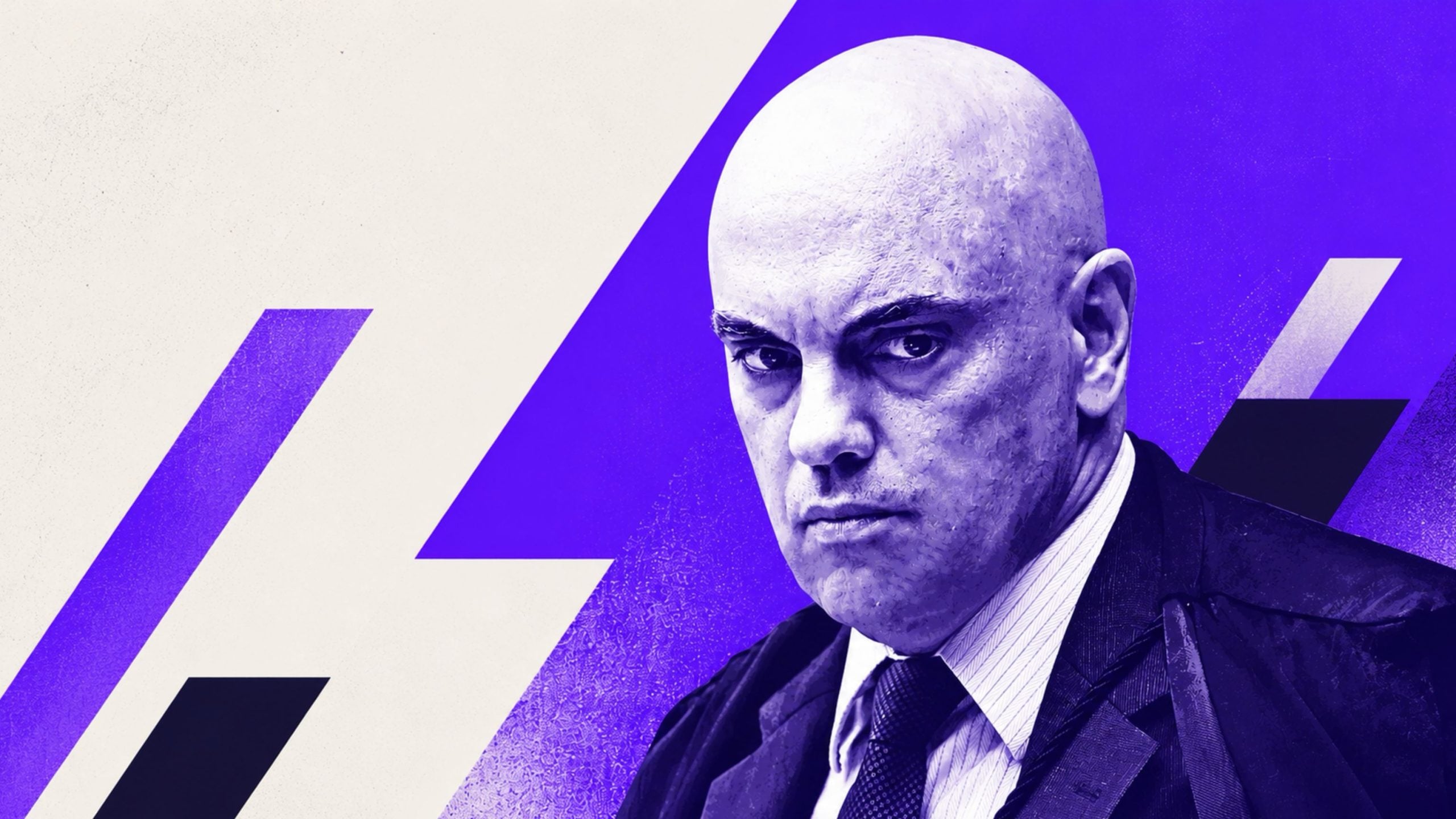
The country is now a party to Rumble’s lawsuit against Supreme Federal Court Justice Alexandre de Moraes, the judge who ordered the American platform to delete the accounts of his political critics. US District Judge Mary Scriven let Brazil intervene, then held off on its motion to dismiss until Rumble and Trump Media respond.
“This lawsuit is extraordinary,” the filing opens, before arguing the dispute belongs nowhere near an American courtroom.
We obtained a copy of the filing for you here.
Moraes acted as a judge, Brazil says, so sovereign immunity shields him, and the case must be thrown out. The argument that his orders ran past his authority gets a one-word answer. Brazil calls it “risible.”
The President of the Supreme Federal Court reached even higher, writing that what is at issue is “the independence of the Brazilian Judiciary, the integrity of the rule of law in Brazil, and, ultimately, national sovereignty itself.” Set against what the orders actually did, this comes down to a claimed sovereign right to reach into the United States and switch off American accounts.
Brazil does not even try to defend the orders against Rumble as lawful. It argues that lawfulness is beside the point because foreign official immunity covers “acts the foreign official took in his official capacity, even if those acts were unlawful.”
So a Brazilian justice can order a Florida company to delete a US-based account, “preserve its contents, and disclose associated user data,” and whether that order tramples the First Amendment is a question Brazil says no American court may ask.
The plaintiffs’ own complaint, the motion notes, accuses Moraes of going after “speech that is fully protected under the First Amendment.” Brazil’s answer is that immunity swallows the question whole.
The plaintiffs, Brazil says, can “challenge the Supreme Federal Court’s orders in the courts of Brazil,” the same court that ordered the accounts erased.
The remedy on offer is an appeal to the institution doing the censoring. Brazil even concedes where that road can dead-end, quoting a Supreme Court ruling that dismissal may leave plaintiffs “without a forum for definitive resolution of their claims.” That is the foreign-censorship play start to finish. Lean on the American platform, demand the user data, and when the platform fights back at home, insist American law has no say.
The orders that set this off go back more than a year. Moraes, who sits on Brazil’s Supreme Federal Tribunal, sent Rumble sealed directives to shut down the accounts of a conservative Brazilian commentator who had fled to the United States and won political asylum.
He wanted the platform to hand over that user’s personal data. He attached fines of roughly $9,000 for every day Rumble refused. When the company held the line, Moraes suspended Rumble across all of Brazil and threatened its CEO, Chris Pavlovski, with criminal prosecution.
Rumble is a Florida corporation with no operations in Brazil. So in February 2025, it sued Moraes in the US District Court for the Middle District of Florida, asking for a declaration that his orders carry no force on American soil.
Trump Media, which leans on Rumble for video hosting and streaming behind Truth Social, joined as a plaintiff, arguing the suspension hit its business too.
The dissident Moraes wanted silenced was someone the US had already shielded. Washington rejected Brazil’s extradition request in March 2024, ruling the charges amounted to “crimes of opinion.”
A foreign judge emailed takedown commands to a US company and expected American platforms to enforce them, skipping the treaties and the courts that exist so foreign orders get reviewed before they bite.
Rumble’s lawyers said Moraes “is attempting to sidestep U.S. law entirely.” No US court order, no independent review, and the accounts were supposed to vanish on a Brazilian justice’s say-so. After service under the Hague Convention failed, the court let Rumble serve Moraes by email. He never answered, the plaintiffs moved for a default judgment, and Brazil filed to intervene on the last day before the deadline.
By stepping in, Brazil pulled the whole record into the open. Rumble’s complaint lays out Moraes’s broader operation, the so-called “Fake News Inquiry,” a years-long campaign.
Since 2022, he has ordered close to 150 accounts suspended, hitting journalists, opposition legislators, satirists, jurists, and musicians who criticized the sitting government. Many of those orders arrived sealed. When the public cannot see what speech is being erased or why, people start pruning themselves before any order arrives. That is the chilling effect working as designed.
The US State Department sanctioned Moraes and fellow justices last year. Secretary of State Marco Rubio wrote that the administration will hold accountable foreign nationals responsible for censoring protected speech in the United States, describing what he called a “persecution and censorship complex so sweeping that it not only violates basic rights of Brazilians, but also extends beyond Brazil’s shores to target Americans.”
If you're tired of censorship and dystopian threats against civil liberties, subscribe to Reclaim The Net.
The post Brazil Enters Rumble Case to Defend Pro-Censorship Judge appeared first on Reclaim The Net.








 New Posts (Home)
 ChatBox
 Popular Posts
  Game Zone
 Top PodCasts