reclaimthenet.org
UK Police Warn Man Over Pub Tweets
If you're tired of censorship and dystopian threats against civil liberties, subscribe to Reclaim The Net.
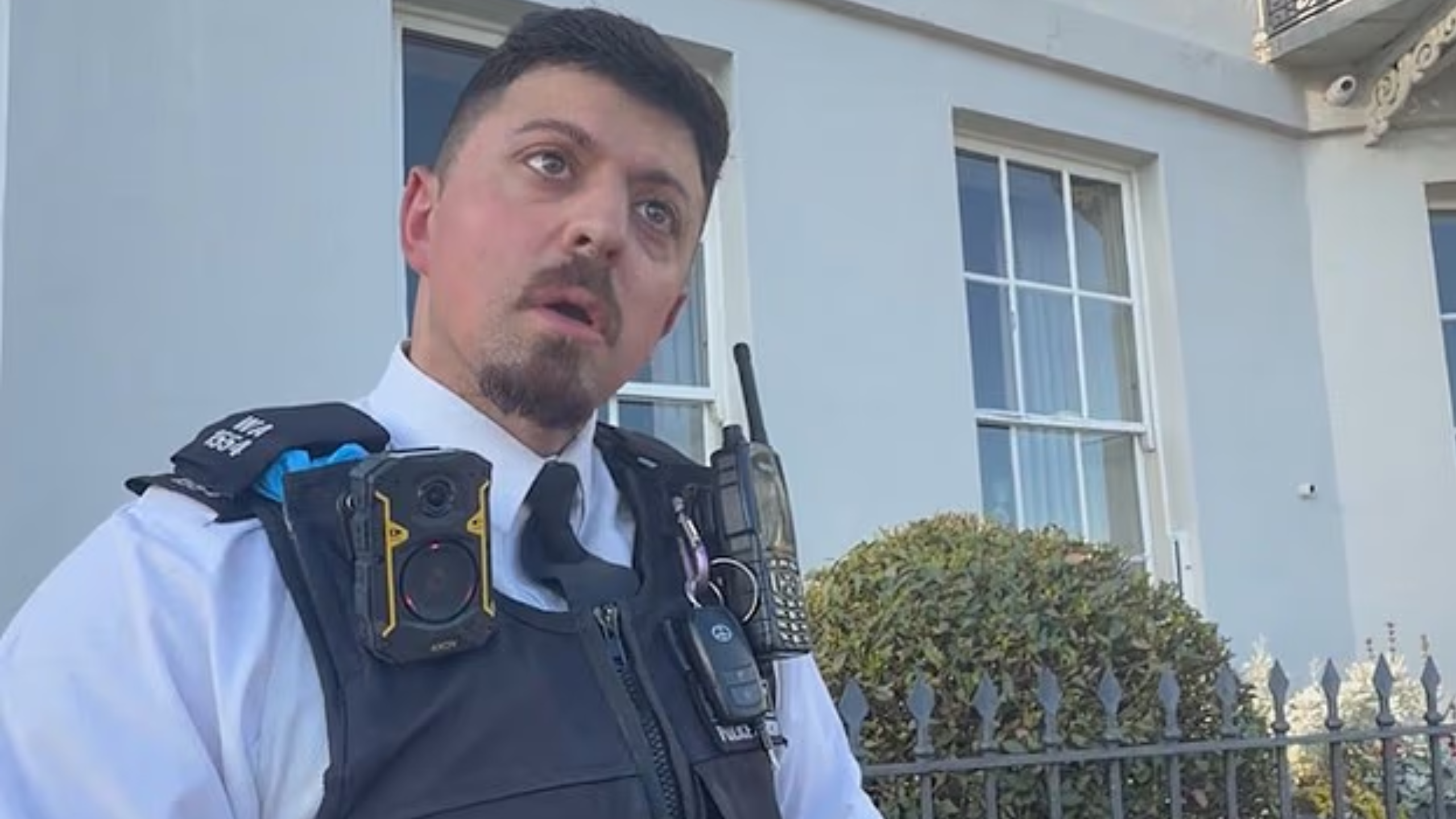
Two Metropolitan Police officers walked into a Chiswick pub on the evening of July 2nd, found a man having a drink with a friend, and asked him to step outside. He had broken no law, a point the officers themselves conceded on camera. His “offense,” such as it was, came down to a handful of tweets about a local councillor. In Britain, which is in the midst of a dark censorship nightmare, that now counts as reason enough to send two constables to your table on a warm London evening.
The man is Alastair Hilton, a photographer who lives on a narrowboat and, until this week, an anonymous Chiswick regular. The councillor is Rick Rowe, a Green who took the Chiswick Riverside ward in May and lives, by Hilton’s account, close enough to the riverside pubs to complain about them almost daily. Between them sits one of the more absurd local rows Britain has produced this year, and one of the more telling.
The dispute itself is almost sweet in its pettiness. Three pubs on Strand-on-the-Green, the City Barge, the Bell & Crown, and the Bull’s Head, have set tables beside the Thames for decades. Labour-run Hounslow Council told them to clear the furniture off the pavement, citing licensing and the Highways Act. Hilton, watching a corner of the neighborhood empty itself out on a sunny afternoon, reached for his phone.
“This is the City Barge pub in Chiswick right now. What do you notice? It’s 3pm and they’re open,” he wrote on X. “It’s a sunny day. Yes, that’s right; they have had to remove all of the tables and chairs outside. They have had to destroy their own business.”
The reason, as he saw it, ran like this. “Because Rick Rowe, a Green Party councillor on Hounslow council, who lives very, very, very close to this pub and complains about it almost daily, has banned all three pubs here on strand on the Green Chiswick, from having outside tables.”
Strong words and a strong opinion, the sort of thing pubs and their regulars have shouted about since licensing began. No threat, no protest, no crime. But two officers turned up at his table.
Source: @London_W4
What they wanted became clear on the video Hilton recorded and posted, which promptly went everywhere. One officer asks whether he is “aware that if you schedule a protest outside a councillor’s house that it’s an offense.” He adds that this is “just so you’re aware, as opposed to an insinuation or an accusation.” Hilton pushes back, telling them, “I haven’t scheduled any protest…I was at the Bell and Crown.” The officer tries again, warning that “your behavior that I have seen on certain posts could be construed as harassment.”
There it is, the whole modern playbook in a few sentences. The police concede that no crime has happened, then warn about one that might, someday, theoretically happen, built entirely on a protest nobody has planned. A man has a pint, posts online, and finds himself lectured about hypothetical crimes he shows no sign of committing.
The crime the officer reached for is brand new. The Crime and Policing Act 2026 created a fresh crime of protesting outside the home of a politician or public office-holder, and it came into force on June 29, three days before two officers used it to lean on a man for tweeting. A law meant as protection for public figures arrived, within seventy-two hours, as a tool for warning someone away from his own keyboard.
Hilton explained it in his caption. “They admit on video (watch it!) that I did not break the law at all. They came to threaten me. To warn me off tweeting about councillors and the council.”
Rowe tells a different story. He denies asking for the tables to go and says he had been trying to save them. “I have been working hard to ensure the council allows seating to remain while the licensing applications are reviewed,” he told LBC, adding that enforcement decisions sit with the Labour-run council, its officers and its cabinet. The council, for its part, talks about pavement licences and obstruction, wheelchair users and emergency access, the familiar furniture of bureaucratic caution. Take all of it at face value. None of it explains the visit to the pub.
After the backlash, the council backed down. The pubs keep their seating while they sort out the paperwork, and the tables are back by the river. Hilton’s tweets did their job, which is the part authorities rarely want to admit, because effective public objection to a council decision is exactly the kind of speech a functioning town runs on.
The lesson a lot of quieter people will take from Chiswick is the one nobody wrote down. Post about your councillor and you might get a knock, or a tap on the shoulder in your local, from officers who will tell you, very politely, that you have done nothing wrong while making sure you feel watched. That is how a chilling effect works.
If you're tired of censorship and dystopian threats against civil liberties, subscribe to Reclaim The Net.
The post UK Police Warn Man Over Pub Tweets appeared first on Reclaim The Net: Free Speech, Privacy, Digital Rights.








 New Posts (Home)
 ChatBox
 Popular Posts
  Game Zone
 Top PodCasts