www.optimistdaily.com
From fire starters to compost: what to do with dryer lint
BY THE OPTIMIST DAILY EDITORIAL TEAM
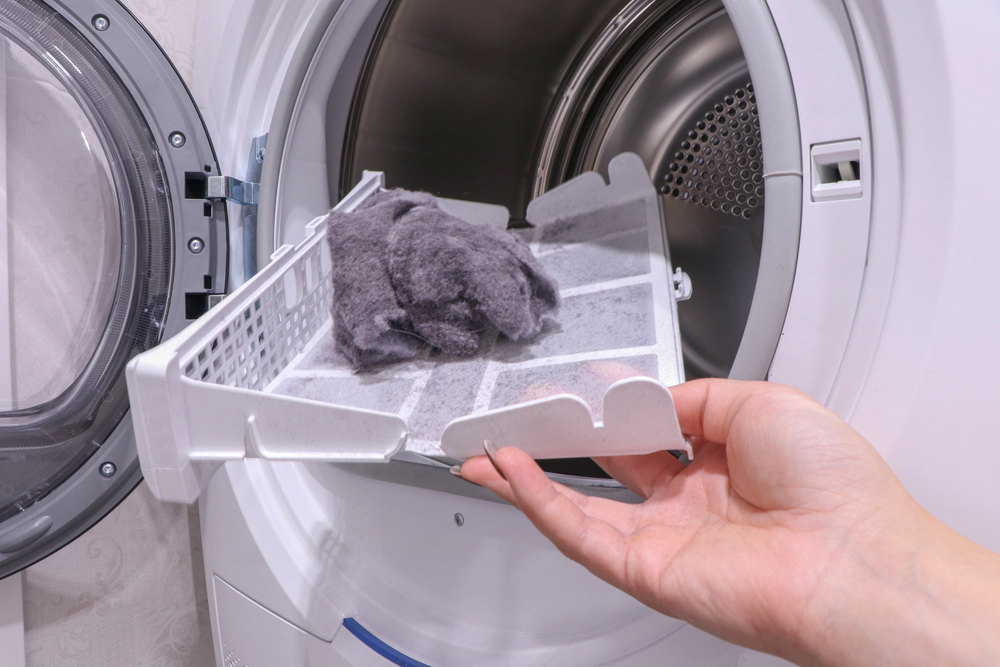
If you clean your dryer’s lint trap after every load, you end up with a soft little cloud of fiber in your hand pretty regularly. Most people drop it straight in the trash, and that is fair. But if you get in the habit of saving it in a sealed bag instead, dryer lint turns out to be more useful than it looks.
One thing to know before you start collecting: lint from natural fibers like cotton or linen is the most versatile, especially for anything garden-related. Lint from synthetic fabrics is fine for fire starters, packing, and crafts. Just skip it for compost. Either way, keep it sealed so it stays soft and dry.
The best free fire starter you already own
There is a certain irony in the fact that we clean the lint trap specifically because lint is so flammable. That flammability is also what makes it one of the best free fire starters you can keep on hand.
Pack a clump into a section of toilet paper or paper towel tube, and you have a light, easy-to-ignite fire starter that tucks neatly into a camping bag. For something more involved, pack lint into the cups of a paper egg carton, pour melted candle wax over it, and let it set. Cut the carton apart into individual cups and light the paper edge when you are ready. Paper cartons only for this, not foam ones. The paper burns down cleanly.
In the garden
Lint from cotton, linen, or other natural fibers can go straight on the compost pile. Scatter it in small handfuls rather than one big clump, so it breaks down more easily. Mix it in with a little moisture, and it integrates well.
If you have spots where you just want to keep weeds down or hold soil in place, and you are not growing anything there, a thick layer of lint will do it. It is not good mulch for plants you are actually raising, but for a bare patch along a fence line or the edge of a gravel path, it is free and breaks down on its own.
Lint also works as a liner inside plant pots. Lay a layer before you add soil to keep it from falling out the drainage hole and to help the pot hold onto moisture a little longer between waterings.
Around the house
For small craft projects that need a bit of filling, lint is soft and costs nothing. It can also top up a limp throw pillow in a pinch. One thing to keep in mind: skip it for anything you plan to wash regularly. Lint compacts when it gets wet, and the item will lose its shape.
When you are out of bubble wrap or packing paper and need to cushion something fragile, lint works fine for short-term storage or shipping. Not the prettiest solution, but it does the job.
For an oil spill on a garage floor or concrete, cover the area with lint and leave it for about 24 hours. It absorbs a good amount; clear it away and see where things stand, then repeat if needed.
And if you want a more involved project, lint is a legitimate ingredient in papier-mâché and basic paper making. These work best as group activities since they call for more lint than a single dryer tends to produce. A local laundromat is a good place to source more if you need it.
Did this solution stand out? Share it with a friend or support our mission by becoming an Emissary.The post From fire starters to compost: what to do with dryer lint first appeared on The Optimist Daily: Making Solutions the News.








 New Posts (Home)
 ChatBox
 Popular Posts
  Game Zone
 Top PodCasts