reasonstobecheerful.world
The Search for the Perfect Natural Period Product
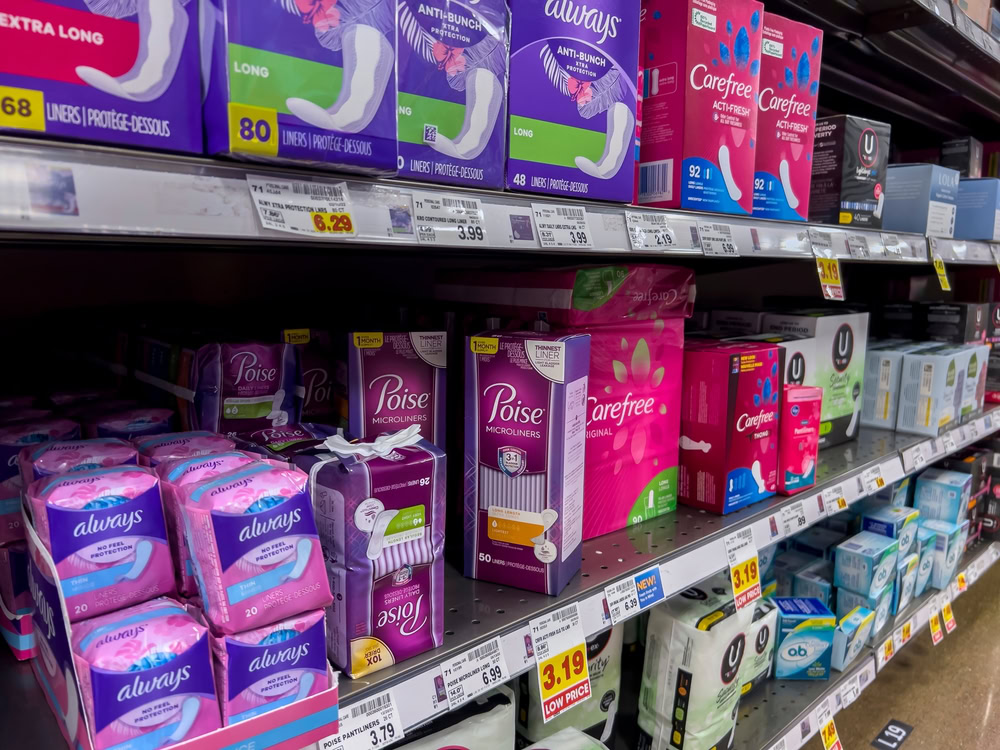
We menstruators are trash monsters. Every month, every one of us uses dozens of tampons, pads or liners. Almost none of it is recyclable, and each year, plastic menstrual products add up to more than 200,000 tons of waste that ends up in landfills or gets burned. It’s the classic quandary of single-use plastic: We only use it for a few hours, but it takes 500 years to disintegrate.
Like most of us, when I started my period, I was more preoccupied with the sudden changes in my teenage body than the long-term changes on the planet. I used the plastic-wrapped tampons and plastic-lined liners that everybody else used, too.
After I began reporting on plastic pollution and climate change, it bothered me that most period products contain plastic, and not just in the wrapping. Even if you don’t buy tampons with plastic applicators, the tampons and strings might incorporate polypropylene, polyethylene or polyester — in other words, plastic.
Most conventional period products contain plastic. Credit: Colleen Michaels / Shutterstock
So I switched to period products that were marketed as ecologically sustainable: liners and tampons made of organic cotton.
However, two issues quickly became apparent: The “ecological” varieties easily cost double or triple as much as cheaper plastic products. It is worth remembering that an estimated 500 million menstruators around the world experience “period poverty” and don’t have easy access to products. Even in the wealthy US, about 16.9 million do not have the money to buy period products each month, let alone costly ones. It’s a choice only for the wealthy.
And even if you have the money, the label “organic cotton” on period products doesn’t automatically mean they are truly sustainable. Most pads and liners still have a plastic layer attached to make them leakproof; cotton is a very water-intensive crop, usually bleached with chlorine or peroxide; and we’re still creating heaps of trash.
“Ninety years since the first Tampax, why aren’t there better menstrual products?” a writer for The Guardian wondered in 2023. One reason, of course, is profit: Plastic products are cheap, and by convincing women that disposable products are the “modern, clean” way, companies hooked generations of customers who reliably buy the same product month after month. On average, a woman stays with the same period product for 10 years.
While raising her daughter, Angelika Burgsteiner discovered that there was no age-appropriate guide for young girls getting their first period. Courtesy of Rotmarie
However, the tides are changing. The “sustainable menstruation” movement is gaining traction.
As a young woman, I recall speaking in code about “strawberry week” or “Aunt Rosie’s visit” and hiding tampons on the way to the bathroom. I remember how deeply impressed I was when I attended a large 40th birthday party, and the birthday girl announced loudly at the table, “Hey, I need a tampon. Does anyone have one for me?“
She was right: Why not ask openly? Why would menstruation, the most natural thing in the world, be a cause for shame, or something to hide?
Angelika Burgsteiner, who last year opened the first menstruation shop in Austria, Rotmarie (“Red Mary”), sees shame as one reason there are so few innovations: “As women, we haven’t demanded them loudly and openly enough.” In her shop, she offers books about women’s cycles for all ages, uterus-shaped cookie cutters and dozens of ecological alternatives to conventional period products.








 New Posts (Home)
 ChatBox
 Popular Posts
  Game Zone
 Top PodCasts