homesteadandchill.com
Chickens Not Laying Eggs? 6 Possible Reasons Why
Is your egg basket looking empty? Try not to stress! There are a number of natural, normal reasons why your chickens may not be laying eggs, such as when they’re molting. Yet there are also a few more worrisome reasons chickens stop laying eggs, such as nutrient deficiencies or health issues. So read along to learn about normal egg production, and when to be concerned – or not.Requirements for Healthy Egg LayingLaying hens need the following things to stay healthy and safely lay eggs:A diet consisting primarily of layer feed: chicken feed specifically formulated to meet the nutritional needs of laying hens. Use caution with homemade feed mixes, and offer safe chicken treats only in moderation.
Access to a free choice calcium supplement at all times (like oyster shells or crushed eggshells, separate from feed) to form nice strong eggshells
A minimum of 12 to 14 hours of daylight to stimulate ovulation and egg production
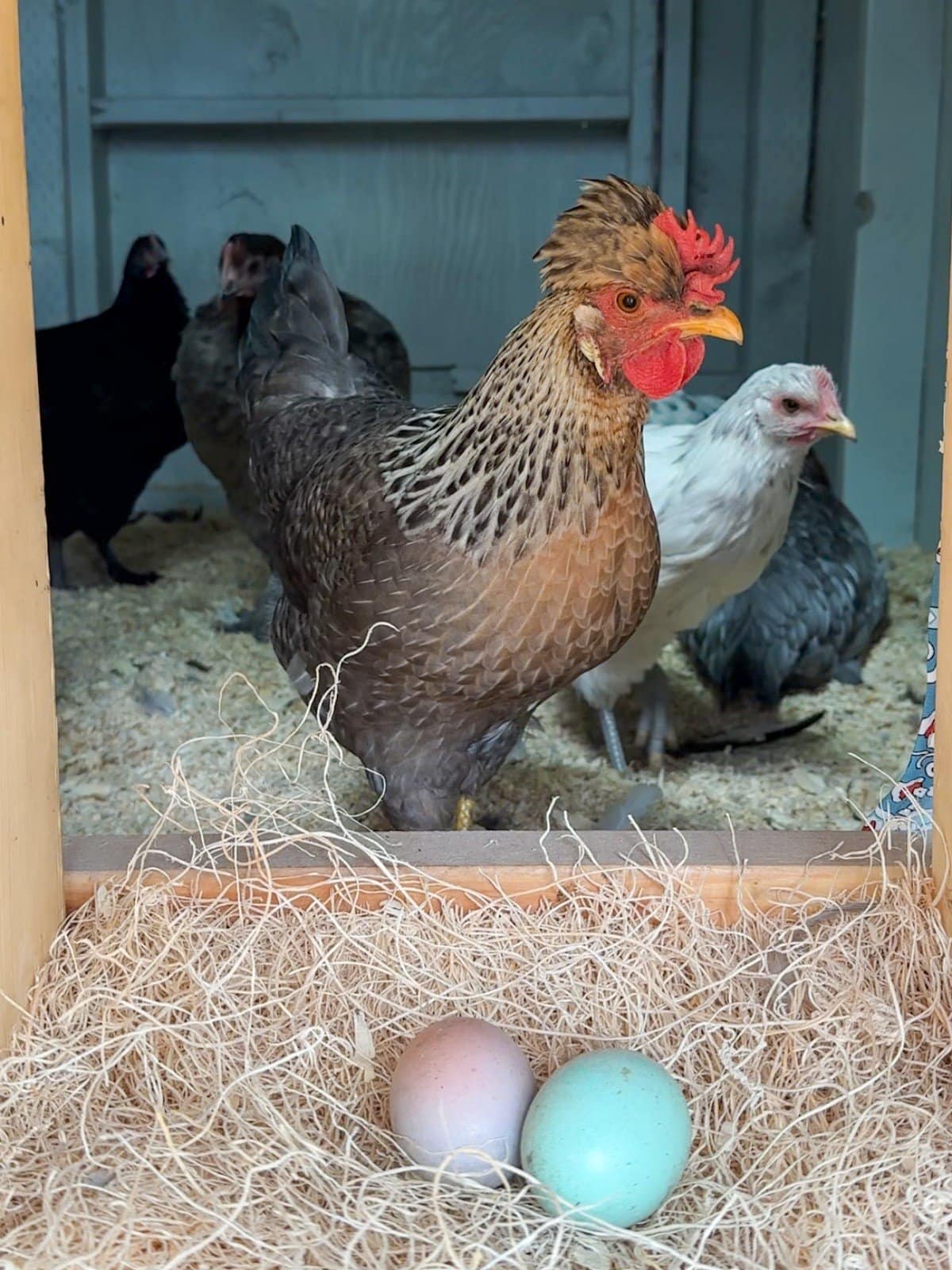
Clean fresh waterTIP: A chicken’s face says it all! A healthy hen that is actively laying eggs will have bright red comb and wattles. When chickens are not laying eggs (or when they’re sick), they will shrink and become more pale pink. You can tell by the comb and wattles which of these young girls has started laying eggs, or not!Disclosure: Homestead and Chill is reader-supported. When you purchase through links on our site, we may earn an affiliate commission.6 Reasons Chickens Stop Laying Eggs1) AgeOn average, chickens start laying eggs around 22 to 24 weeks old (6 months) though some start sooner, and some can take much longer. We’ve had a few late bloomers wait until they were over 40 weeks, or 9 to 10 months old! So if your young chicken is not laying eggs yet, just be patient with her.As they age, older chickens will lay fewer eggs and eventually stop altogether. A number of factors influence how long chickens will lay eggs including their breed, health, usual egg-laying frequency, and if you artificially light their coop over winter or not (discussed more below).Most laying hens start to slow down by 4 or 5 years old, but every chicken is different. High “production” breeds often lay hard and fast, only to fizzle out younger. Our Barred Rock stopped laying around 6 years old, yet we currently have an 11 year old Easter Egger who still lays a couple dozen eggs each spring!TIP: Many chicken keepers introduce new chickens to the flock every few years to help create a natural cycle of young, robust layers mixed with older, slower gals. Younger chickens will also often lay through their first winter.Our eldest gal Hennifer on her 10th birthday. She still laid a couple dozen eggs that spring!2) Winter BreakThe decreased sunlight in the shorter, darker days of winter will trigger most chickens to stop laying eggs (or drastically reduce in frequency). It’s a natural defense mechanism, since chicks born in the middle of winter likely wouldn’t survive in most places. It’s also a time for them to rest and recharge – just like us!Some backyard chicken keepers add artificial lights to the coop to boost wintertime egg production. However, hacking nature comes with one significant drawback: it makes the chickens stop laying eggs sooner in life! That’s because every chicken carries a set number of eggs inside them, so if you force them to keep laying over winter, they’ll simply “run out” of eggs faster.As the days start to get longer and brighter again in spring, your hens should resume laying.3) MoltingChickens also stop laying eggs while they’re molting: the natural process where chickens lose feathers to grow fresh new ones. Chickens usually molt in the fall, and stop laying to conserve precious nutrients and energy. Growing new feathers is hard work!Keep in mind that chickens will often stop laying eggs several weeks before they’re visibly molting, and not resume laying for several weeks after they’re done. That means they can easily go a few months without laying eggs… and if winter is right around the corner, you may not see many until spring!RELATED: Learn more about molting chickens here, including how to give them the extra special care they need!4) BroodyA “broody” hen is one that’s persistently sitting on eggs with the intention of hatching them. Once she’s laid a clutch and starts actively incubating the eggs, she won’t add any new ones to the nest. Then after being broody (whether she hatched chicks or not), most chickens will not lay eggs again for several weeks while their hormones regain balance.RELATED: Learn how to break a broody hen here, including tips for prevention too!5) Egg-BoundA number of reproductive issues can cause chickens to stop laying eggs. One such issue is egg-binding, which is when an egg gets stuck in their reproductive track. Being egg-bound can also prevent the chicken from going to the bathroom normally, and can quickly become life-threatening if she cannot pass the egg. Egg binding is especially common in new young layers.Similarly, soft-shelled eggs or egg yolks that aren’t passed normally can get stuck inside and eventually cause infection, also known as internal laying or egg peritonitis.These reproductive issues usually accompany other physical symptoms such as lethargy, lack of appetite, pale comb, and irregular or strained bowel movements. A sick hen will often stand hunched and still, with her wings drooped, tail down, feathers fluffed up, and eyes closed. When a chicken is egg-bound, you may also feel a hard mass (the egg) near her back end.Over the years, we’ve helped a number of chickens pass a bound egg. I’ve even had to manually extract one, which I don’t necessarily recommend (it was a last-ditch effort to save her after bringing her to the vet!) Usually, a 20-minute soak in warm water in a calming location along with calcium supplements and a little lube can help them pass it. I will write a more detailed guide about treatment soon, but here is a good resource in the meantime.TIP: Providing laying hens with a constant source of free choice calcium is KEY to preventing egg-binding! Learn more about feeding chickens oyster shells or eggshells for calcium here.Olive became egg bound with soft-shelled eggs several times when she first started laying eggs. Here she’s soaking in a tub of warm water in the bathroom. Make sure it’s deep enough to submerge their vent and abdomen. Also never put a wet chicken back out when it’s cold outside. They usually love a gentle warm blow dry after!She naturally passed the soft shell egg after a blow dry, a little lube on her vent, and some time to relax in the quiet bathroom.6) Other Health IssuesBeyond reproductive issues, chickens may not lay eggs when they have other health issues going on – such as impacted crop or sour crop, cancer or other diseases, nutritional deficiencies, or parasites including mites, lice, or worms. These conditions cause stress and malnutrition to the chicken, leading to less egg production.If you suspect your chicken is sick, it is best to consult with a veterinarian for a proper diagnosis and treatment options.What to do with chickens once they stop laying eggs? Once our older chickens are not laying eggs, we simply let them retire and live out the rest of their lives as happy freeloaders! For us, chickens are beloved pets and part of the family. The eggs are just a perk. Don’t miss these related posts:How to Store & Wash Fresh Eggs: Best Practices for Backyard Chicken Eggs
How to Ferment Chicken Feed for Better Hen Health & Eggs
What Can Chickens Eat? Healthy Treat Ideas + Toxic Foods List
500+ Best Chicken Names: Funny, Cute, Unique, Puns and More
Did you enjoy this article? Want to hear more? Stay in touch! Sign up below to receive weekly updates on new posts from Homestead and Chill.
The post Chickens Not Laying Eggs? 6 Possible Reasons Why appeared first on Homestead and Chill.








 New Posts (Home)
 ChatBox
 Popular Posts
  Game Zone
 Top PodCasts