New Posts (Home)
 ChatBox
 Popular Posts
  Game Zone
 Top PodCasts


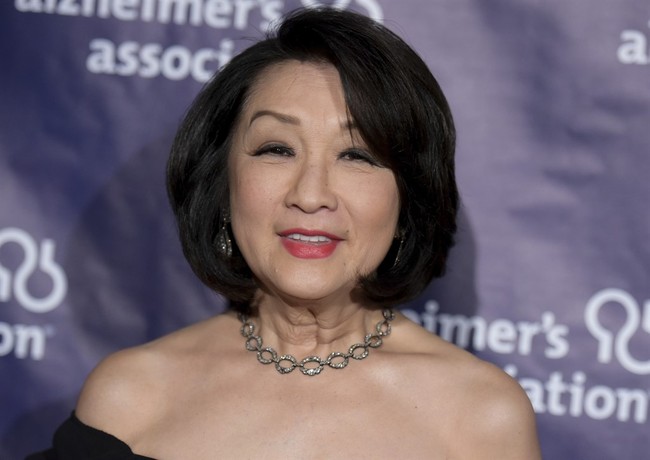
Connie Chung spoke in a recent interview about what she views as a troubling move inside CBS.
Her comments sounded less like a warning about journalism and more like proof of a mindset that decades of a system that convinced itself it had no bias at all have shaped.
Advertisement
Chung — on Thursday’s episode of “Pablo Torre Finds Out” — described CBS as a “whole different organization” from the time she worked there before calling out Shari Redstone, who sold her majority stake in parent company Paramount Global to David Ellison’s Skydance Media in a $8.4 billion deal over the summer.
“Their greed has caused the venerable CBS to actually disassemble, to crash into crumbles,” said Chung, the second woman ever to anchor a major U.S. nightly news program.
She proceeded to chuckle before name-dropping Bari Weiss, the conservative journalist who recently became CBS News’ new editor-in-chief.
“I don’t know what to call Bari Weiss, I just don’t know,” she said.
Her reaction tells a larger story; when a newsroom leans left for generations, any push toward balance feels like a conservative wind. The ground under that newsroom never moved; the center, voters, and America moved.
Dinosaur media voices who lived inside that old structure now see every correction as an attack, with many clinging to the idea that objectivity belongs to them.
Only them.
A Generational Blind Spot
Chung came of age when the news anchors of the day sat behind shiny desks and declared themselves neutral, while presenting only one slice of the political world as reasonable.
News viewers trusted the people reading the news because there wasn't an alternative at the time. When new platforms arrived, they exposed what audiences had missed for decades. People living outside the coast editorial bubble saw that the news always leaned left, seeing stories framed in one direction. News organizations saw which voices received praise, and which received scorn.
Advertisement
Unable to process change and accept different perspectives, Chung still views CBS through that same lens. Any shift towards challenging questions for both parties looks like a lurch to the right for someone who once regarded the legacy norm as the national center.
People often mistake familiarity for fairness after living in a single culture. They defend the old structure because it conferred prestige and stability, but it also created blind spots that shaped coverage for half a century.
A Culture That Protected Its Own Bias
During the Cronkite years, executives never admitted any bias — to them, old Walter's declaration that Vietnam was lost was objective. Yet entire generations of academics, analysts, and former producers noted how often CBS mirrored Democratic Party priorities. Major stories received heavy coverage when they helped one side, but when they harmed one side, they received softer coverage.
These patterns created a worldview that felt safe to the people inside the building, one with limits, by rewarding the same political group and treating dissent as unserious.
Chung's comments reflect that comfort; she doesn't want a CBS that welcomes voices she never saw as credible, or one that moves to the center. She needs the CBS she knew.
Moments like this expose how strong the old culture remains; even now, when audiences demand open debate, some former stars wish the network would hold the line that formed long before many viewers were born.
Advertisement
A Country That Outgrew That Model
From that media stone age to now, America and technology have changed, while viewers have learned to compare stories across many platforms. They now see what older generations couldn't: when a network frames a story to support one side, when a segment softens a scandal, and when editorial changes align with the newsroom's politics, rather than the facts on the ground.
A shift toward balance doesn't threaten honest journalism; it expands it. A network that once viewed half the country as an afterthought now faces the chance to regain trust, one that doesn't come back while legacy voices call every correction a move towards extremism.
People are tired of those who once controlled the gates scolding them.
A Fear of Losing Narrative Power
Where does Chung's fear come from? A loss of influence. When networks held all the microphones, they decided which political narrative reached the public.
Those days are over.
A more open media world forced networks to adapt. While some adjusted, others refused, and CBS finds itself at a kind of crossroads: It can hold on to an old identity or move towards genuine balance.
Anybody who values accuracy shouldn't be scared of any push towards fairness. The only people who fear balanced newsrooms are those who gained power from an unbalanced one.
They call balance a right-wing drift because balance threatens their old advantage. Their frustration doesn't come from journalistic reasons, but from cultural displacement.
Advertisement
Final Thoughts
Connie Chung's remarks remind us how deeply the dinosaur mindset runs inside the old guard. A newsroom takes one step toward even treatment of both parties and listens to the outrage from people who shaped the bias that viewers rejected. A shift toward objectivity will always feel like a shift to the right when bias is extreme to the left.
Fear of this movement reveals more about the critic than the network. Americans deserve reporting that trusts audiences to think: Viewers want clarity, not nostalgia for a time when three networks filtered every story through a single worldview.
Why PJ Media Matters
Independent voices challenge the old media habits that shaped coverage for decades. Readers who want fair analysis and honest reporting rely on platforms that refuse to bow to legacy pressure.
VIP access powers that work and build a line of defense for people who refuse to settle for scripted narratives. Support the writers who push back and fight for transparency.