 New Posts (Home)
 ChatBox
 Popular Posts
  Game Zone
 Top PodCasts


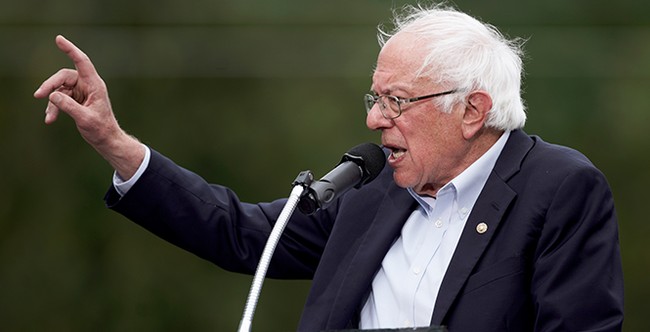
A coalition of union leaders, activists, and Sen. Bernie Sanders lined up behind a new National Labor Relations Board (NLRB) ruling that hands organized labor a powerful tool to choke employer speech.
Advertisement
A coalition claiming to defend workers now cheers a rule that punishes open debate, while turning into a broad crackdown.
When power centers agree that silence protects influence better than persuasion, a strange kind of unity is created.
This rule targets employer comments that unions portray as intimidating, even when there's no existing threat. Critics argue that union organizers want a shield, not fairness; a shield also prevents workers from getting more information before voting on representation.
When the commission last invited comment on this topic in August, TVTech reported, “a large number of filings from unions, consumer groups, civil rights groups, church groups, liberal organizations, free speech advocates and others have come out strongly opposed to any change to the current 39% ownership cap.” Indeed, reading the list of commentators reveals a “who’s who” of the irrelevant and Trump-hating.
The unions, for instance, include the National Association of Broadcast Employees and Technicians and the News Guild. The Writers Guild of America, which also opposes the reforms, recently attacked President Trump for a supposed “un-American … unprecedented, authoritarian assault” on the First Amendment, complete with the line: “We don’t have a king, we have a president.” These are the advocates of maintaining the caps on media ownership by Nexstar, Sinclair, and others.
Advertisement
Sanders and his activist teammates frame the rules as a defense of muh democracy, but they miss the mark. Society gains strength when open conversation guides judgment. People deserve reasons, arguments, and evidence. What they don't need is a speech referee from Washington.
Employers, claims the NLRB, gain an advantage during tense campaigns, but they ignore reality. Union drives often come with large activist networks, political figures, and national media support.
More often than not, employers stand alone. When regulators move to silence only one side, influence goes to the faction with the loudest megaphone and friendliest headlines. Power like that grows fast and hides behind moral language to mask raw ambition.
Advocacy groups celebrated the ruling, portraying it as a win for working families. Supporters said employees must feel safe when organizing. Nobody fair is against safety, yet free societies weaken when leaders claim that words hurt as badly as violence. hat trick opens the door to censorship, as seen in campus battles over speakers and in online fights over viewpoints, and it also appears in labor laws, following the left's pattern of punishing words that challenge outcomes they prefer.
The ruling might also affect industries struggling with labor shortages. Communication might stop with those employers who fear investigations. Silence breeds resentment and rumors, blinding workers who want a complete picture before they vote.
Advertisement
Union votes shape pay, schedules, and long-term job security, while gag rules block valuable context, especially when informed consent raises concerns about dignity. When company leaders celebrate a clampdown on speech, they highlight how little they regard dignity.
Political winds push movements like these. Sanders backs the decision because organized labor is a key pillar of his agenda, while activists see a chance to lock in gains during a favorable climate, and union leaders smell blood in the water.
Incentives align around tighter control. America enters a strange era when silence counts as progress and dissent signals danger.
Free nations handle arguments, not legal penalties. Anyone believing persuasion beats coercion should reject a rule like this.
Long-standing American instincts get undercut by the ruling. People who build factories, farms, and small shops have always relied on plain arguments to resolve conflicts, trusting adults to weigh facts, trusting people to tell the difference between genuine persuasion and bullying, and using a clear mind to vote.
Central planners never share trust, preferring instead to manage uncertainty by removing debate. When any society forgets the idea behind open argument, it overlooks the foundation that carried it through wars, recessions, and cultural storms.
Advertisement
As the NLRB moves into a new phase, employers must decide how to communicate without drawing complaints, workers have to judge narratives without hearing both sides, and activists will claim victory as they brush aside warnings from business groups.
If courts step in, long legal battles follow. The larger fight concerns national character. Americans deserve debate, even messy discussions. Without it, organized groups with political muscle take control of conversations that shape everyday life.
Free people deserve more respect than what the regulators showed here. Workers can handle arguments from management and unions, voters can handle arguments from rivals, and people can handle arguments from all sides.
Fear of opposing views costs people more than a policy debate; fear drains confidence in national strength.
Subscribe today to PJ Media VIP for access to deeper analysis, member forums, and exclusive columns that follow every turn in Washington and beyond.
Your support helps us keep independent voices alive.









