New Posts (Home)
 ChatBox
 Popular Posts
  Game Zone
 Top PodCasts


If you ask me what my favorite film genre is, I will always say science fiction. I tend to gravitate towards fantastic films more than realistic films in general, but sci-fi specifically is most fascinating to me because it takes all the wonders of the fantasy genre and puts them through the lens of reality-based science rather than pure magic, which tends to make sci-fi stories more intellectually stimulating to me on both a narrative and aesthetic level, especially since I’ve always loved science as a subject and I have always fantasized about the future possibilities of technology and civilized society as scienctific research advances (especially since I watched a lot of movies). But beyond this aspect of its appeal, there’s the way the genre can use fantastic stories as a way to say things about the real world, whether it’s the dystopian politics of The Handmaid’s Tale, the class struggles of Planet of the Apes or the environmental crisis of Nausicaä of the Valley of the Wind. Some of the most accurate portrayals of fascism, racism and capitalism I’ve ever seen depicted in fiction have been in the sci-fi genre.
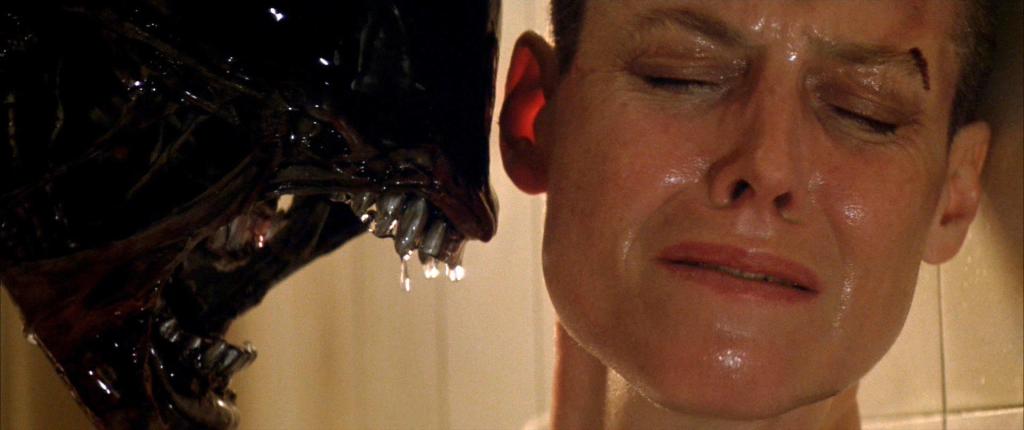
Plus, and perhaps most importantly, I just love the creativity that comes from telling stories about robots, aliens and unexplored planets, galaxies and dimensions. That’s probably the biggest reason why I love the genre so much. And there are so many sci-fi subgenres that differ wildly from each other that it’s impossible to predict which direction an original sci-fi story will go. There’s hard sci-fi, mundane sci-fi, apocalyptic sci-fi, post-apocalyptic sci-fi, utopian sci-fi, dystopian sci-fi, cyberpunk, steampunk, space operas, space Westerns and then there are genre crossovers like sci-fi horror (Frankenstein; Alien; The Substance), tech noir (Blade Runner; Minority Report; A Scanner Darkly), sci-fi comedy (Ghostbusters; Weird Science; Honey, I Shrunk the Kids) and sometimes even sci-fi satire (Spaceballs; Galaxy Quest; The Day the Earth Blew Up).


Sci-fi has consistently been one of the most popular genres at the box office, but the public’s fascination with the genre obviously goes back long before cinema was invented. Mary Shelley is practically the mother of modern sci-fi thanks to her 1818 novel Frankenstein and her 1826 novel The Last Man, which was one of the earliest dystopian novels ever written. The genre continued its success in the literary world throughout the 19th century and into the 20th century thanks to authors like Jules Verne (Journey to the Center of the Earth; Twenty Thousand Leagues Under the Sea) H.G. Wells (The Time Machine; The War of the Worlds) and Edgar Rice Burroughs (the Barsoom series). And once movies became the new big thing, filmmakers like French illusionist George Méliès began exploring the genre, most famously in the 1902 film A Trip to the Moon, which emphatically captured the public’s imagination at the time. Its success has since been capitalized on ad infinitum, and it led to other cinema classics like the Danish film A Trip to Mars (1918) which is considered the first space opera in film history, and the German film Metropolis (1927) which was the first feature-length sci-fi film.


In the same period, we were getting the earliest examples of sci-fi horror in movie theaters, including the various film adaptations of Frankenstein and Dr. Jekyll and Mr. Hyde as well as classics like The Cabinet of Dr. Caligari (1920), The Lost World (1925), Island of Lost Souls (1932) and The Invisible Man (1933). Although throughout most of the early part of the 20th century, sci-fi was mainly one of the go-to genres for multi-part film serials like Universal’s The Vanishing Shadow (1934), which is considered to be the first sci-fi film and first film in general to feature a character holding and using a ray gun; The Phantom Empire (1935), which is considered to be the first sci-fi Western; and Universal’s Flash Gordon (1936) starring Buster Crabbe, which was kind of Hollywood’s first unapologetically full-blown sci-fi film, leaning heavily into the fantastical robot and alien-filled sci-fi conventions most prominent in comic books and pulp magazines and popularizing it in the process (Buster Crabbe would later also play Buck Rogers when Universal adapted that character to the big screen in 1939).


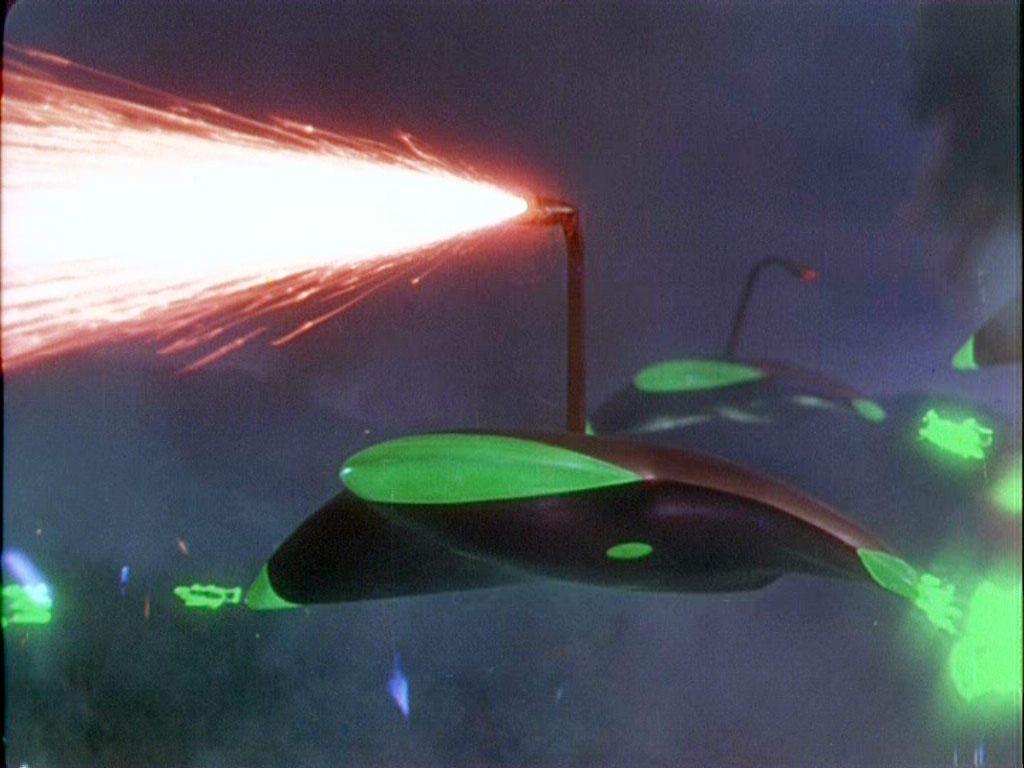
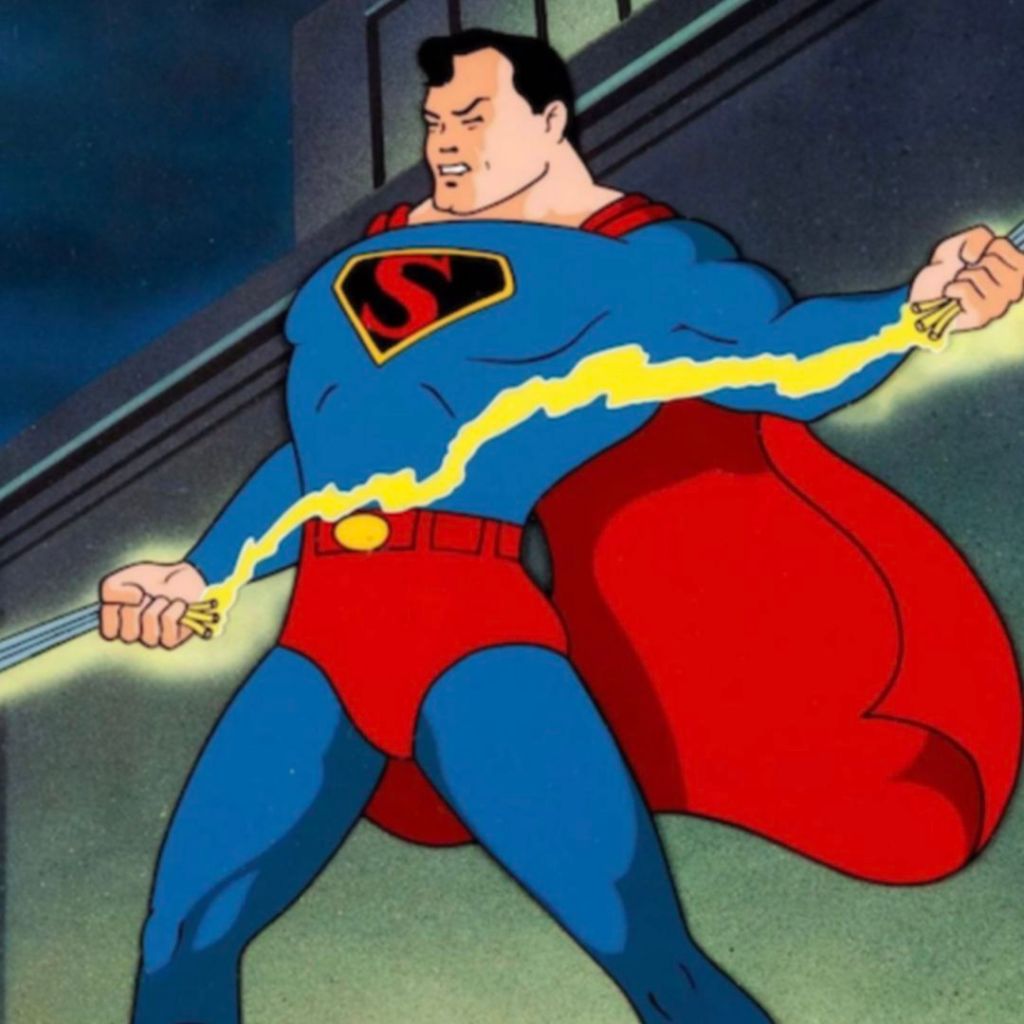
Fleischer Studios’ animated Superman cartoons also capitalized on the popularity of sci-fi in the 1940s, while Chuck Jones would explore the genre several times in often satirical ways in the Looney Tunes series during the 1940s and 1950s. And thanks to the growing public interest and fascination with new technology and space travel in the ’50s, even low-budget sci-fi B-movies were consistently popular commercial hits. Many of these films were cheesy, even for the time, but some were also quite well-written and have lasted as classics, including The Day the Earth Stood Still (1951), The War of the Worlds (1953), Forbidden Planet (1956), Invasion of the Body Snatchers (1956) and Journey to the Center of the Earth (1959). These types of sci-fi films also often crossed over with the horror and monster movie genres, such as with Creature from the Black Lagoon (1954), It Came from Beneath the Sea (1955) and The Blob (1958). None more popular than the Japanese film Godzilla (1954) which kicked off the popularity of kaiju films as well as Japanese sci-fi in general.


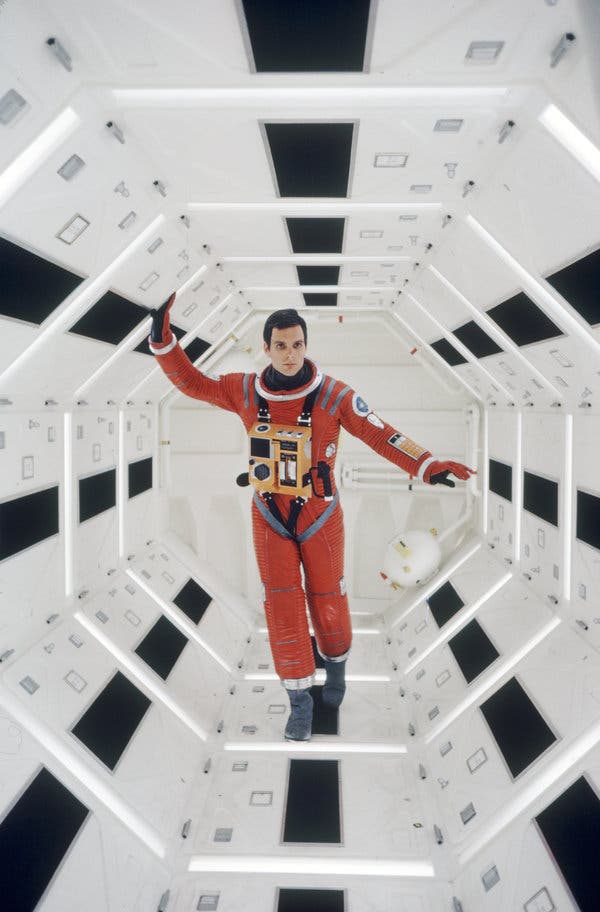
While Hollywood didn’t really take the sci-fi genre seriously as something that could ever reach the artistic level of a Gone with the Wind or a Casablanca, sci-fi cinema really started being reevaluated in the 1960s when daring new interpretations of the genre like Italian sci-fi horror film Planet of the Vampires (1965), French tech noir Alphaville (1965) and the smart and socially conscious Planet of the Apes (1968) came out. Most memorable was Stanley Kubrick’s 2001: A Space Odyssey (1968) which brought an unprecedented level of realism to the genre with its portrayal of space travel, along with the kind of unconventional storytelling and artistic ambiguity that only an auteur like Kubrick could bring to the screen.


In the 1970s, a sci-fi film won the Grand Jury Prize at Cannes for the first time when the hauntingly low-key Soviet arthouse film Solaris (1972) was released. With a new level of respect that came from 2001 and Solaris, sci-fi started being seen by filmmakers as a great genre for exploring deep subjects in sophisticated ways that could not only be entertaining for kids but adults as well, as demonstrated by films like THX 1138 (1971), Westworld (1973), Logan’s Run (1976), Close Encounters of the Third Kind (1977) and Alien (1978). The same could even be said for epic space operas like Star Wars (1977), which was a film that both kids and adults loved in practically equal measure.


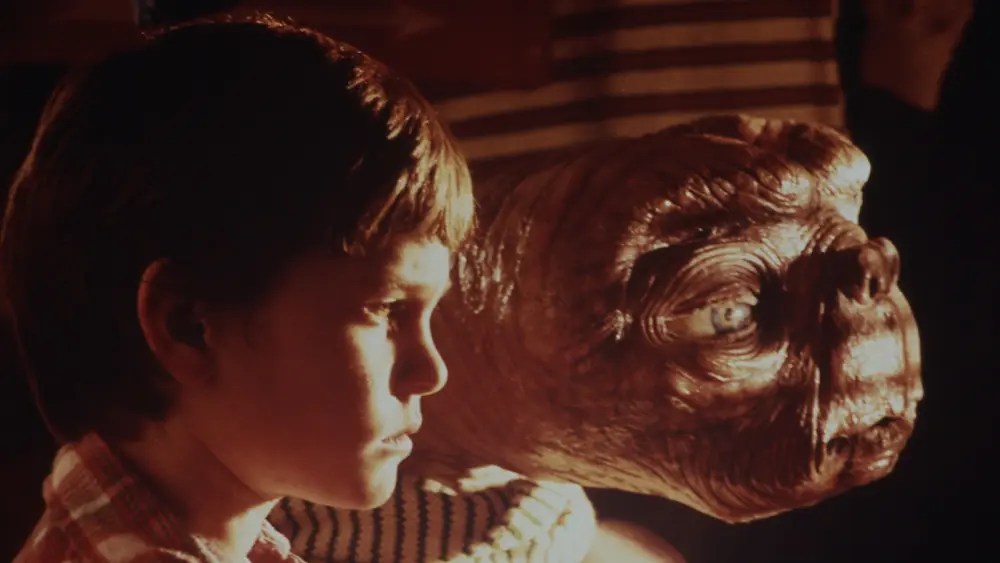
Because Star Wars was the biggest commercial success of all these films, crowd pleasing sci-fi blockbusters became a regular part of the movie-going experience ever since, including Superman (1978), Star Trek: The Motion Picture (1979), E.T. the Extra-Terrestrial (1982), The Terminator (1984), Back to the Future (1985), Aliens (1986), Predator (1987), RoboCop (1988), Jurassic Park (1993), Independence Day (1996), The Matrix (1999), Transformers (2007), Avatar (2009) and the films of the Marvel Cinematic Universe. Although many intellectual and serious sci-fi films like the ones from the 1970s still live on in spirit with modern classics like Gravity (2013), Under the Skin (2013), Her (2013), Ex Machina (2015), Nope (2022) and the works of directors like Guillermo del Toro, Christopher Nolan and Denis Villeneuve.


The vast range of the science fiction genre in terms of where it is allowed to go and what it is allowed to do, along with the creativity that is required to even bring it to life, makes this a genre that I never get bored with. Its themes and style are such that even a bad sci-fi film will naturally bring me some level of enjoyment, because no matter what I’m watching, the sci-fi genre always sparks my imagination.