New Posts (Home)
 ChatBox
 Popular Posts
  Game Zone
 Top PodCasts

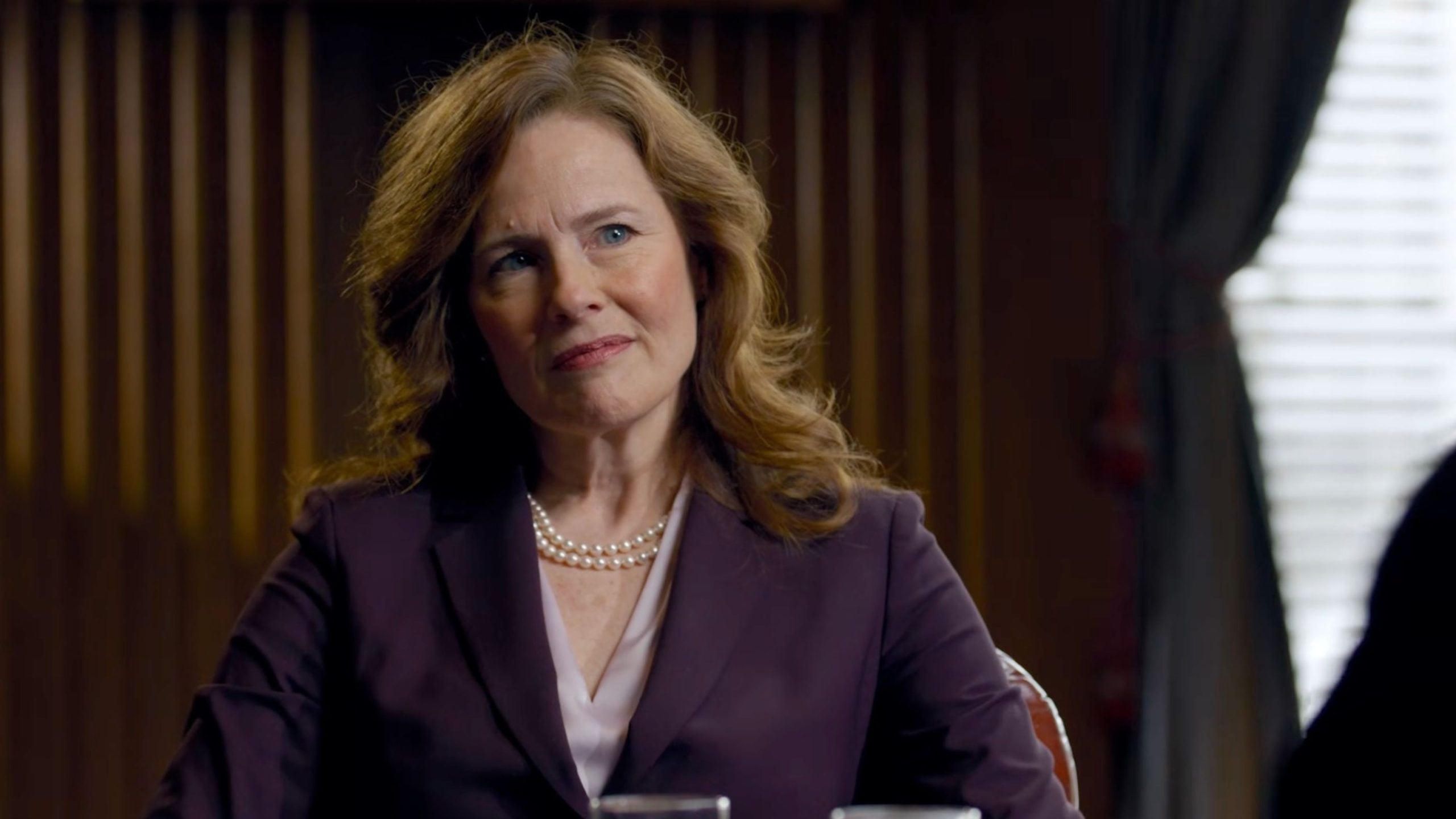
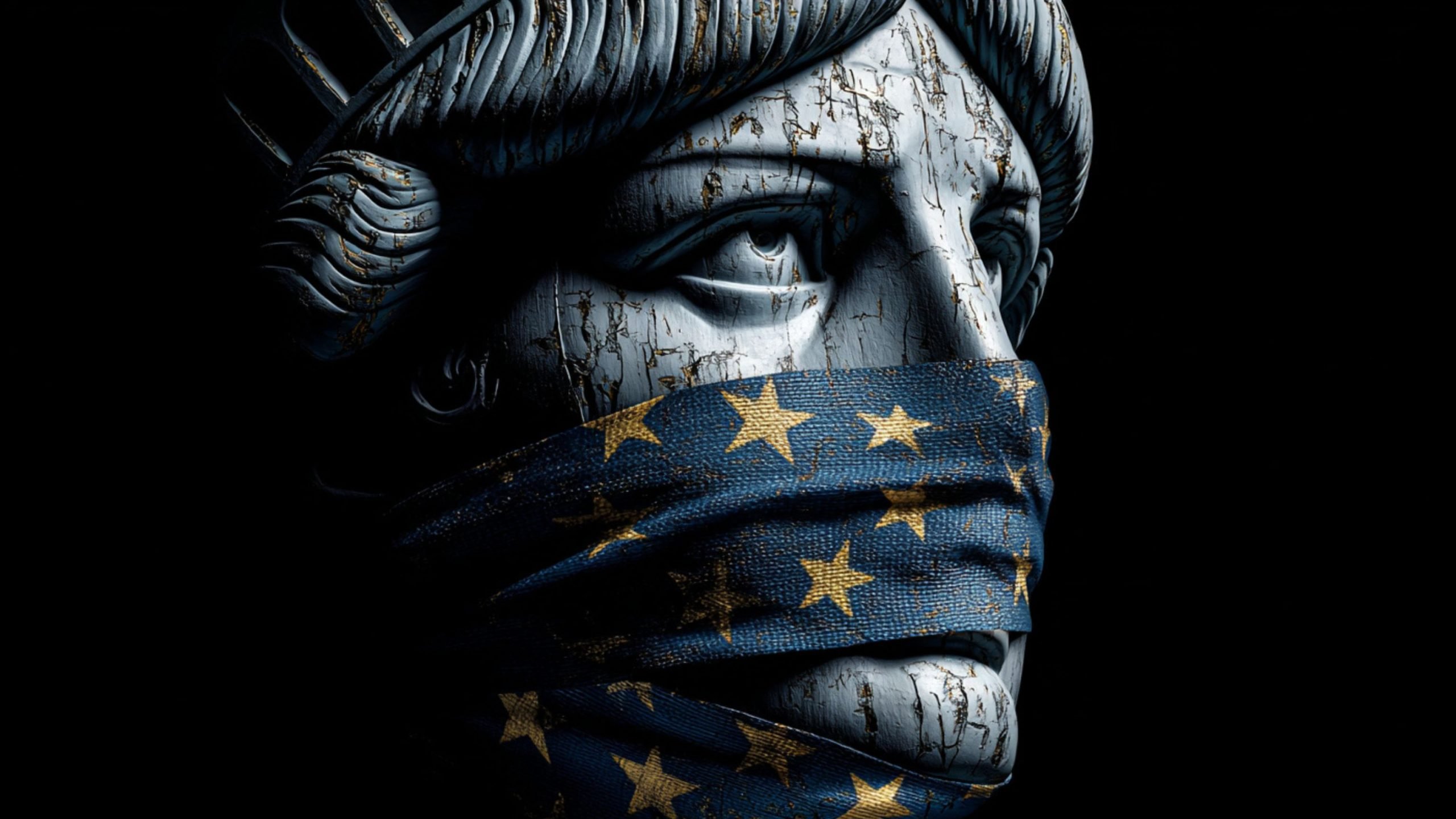
US Supreme Court Justice Amy Coney Barrett has voiced concern about what she describes as a troubling decline in free expression within the United Kingdom, pointing to cases where individuals face punishment for unpopular views.
During an appearance on Bishop Robert Barron’s podcast Bishop Barron Presents, Barrett contrasted the British approach with the protections built into the United States Constitution, saying the First Amendment prevents such suppression from taking root in America.
The conversation with Barron revolved around whether modern societies can still find moral common ground, which Barron referred to as “natural law.”
Barrett responded that the Constitution itself can serve that function by providing stability through its guarantees of speech and religious freedom. She said these protections act as “articles of peace,” encouraging citizens to tolerate differences.
“Think about what’s happening with respect to free speech rights in the UK,” she said.
“Contrary opinions or opinions that are not in the mainstream are not being tolerated, and they’re even being criminalized. Because of the First Amendment, that can’t happen here.”
Her remarks come at a time when British law enforcement has faced scrutiny for applying legislation that criminalizes “grossly offensive” or “harmful” speech, particularly online.
More: UK Ofcom Pushes Rules Targeting “Misogynistic” Content, Prompting (Even More) Free Speech Concerns
Statutes such as the Communications Act and the Public Order Act have been used to investigate and, in some cases, arrest individuals for social media posts and public remarks deemed unacceptable by officials.
Supporters of open expression argue that such actions transform subjective offense into criminal liability and reduce citizens’ freedom to question authority or cultural norms.
In contrast, Barrett said, the American legal framework provides much stronger barriers against censorship. The First Amendment, she explained, not only prohibits government punishment for speech but also forces a social discipline of mutual tolerance.
“The First Amendment protects, guarantees, forces us to respect one another and to respect disagreement,” she said.
“There’s a tolerance of different faiths, a tolerance of different ideas that I think we can see what would happen if you didn’t have the guarantee to kind of hold that in place.”
Her observations reflect a broader anxiety about the expanding use of “harm” and “offense” as justifications for limiting speech in Western democracies.
In the United Kingdom, law enforcement bodies have increasingly assumed the role of determining what language is permissible. In the United States, by contrast, constitutional limits prevent the government from taking that role.