New Posts (Home)
 ChatBox
 Popular Posts
  Game Zone
 Top PodCasts


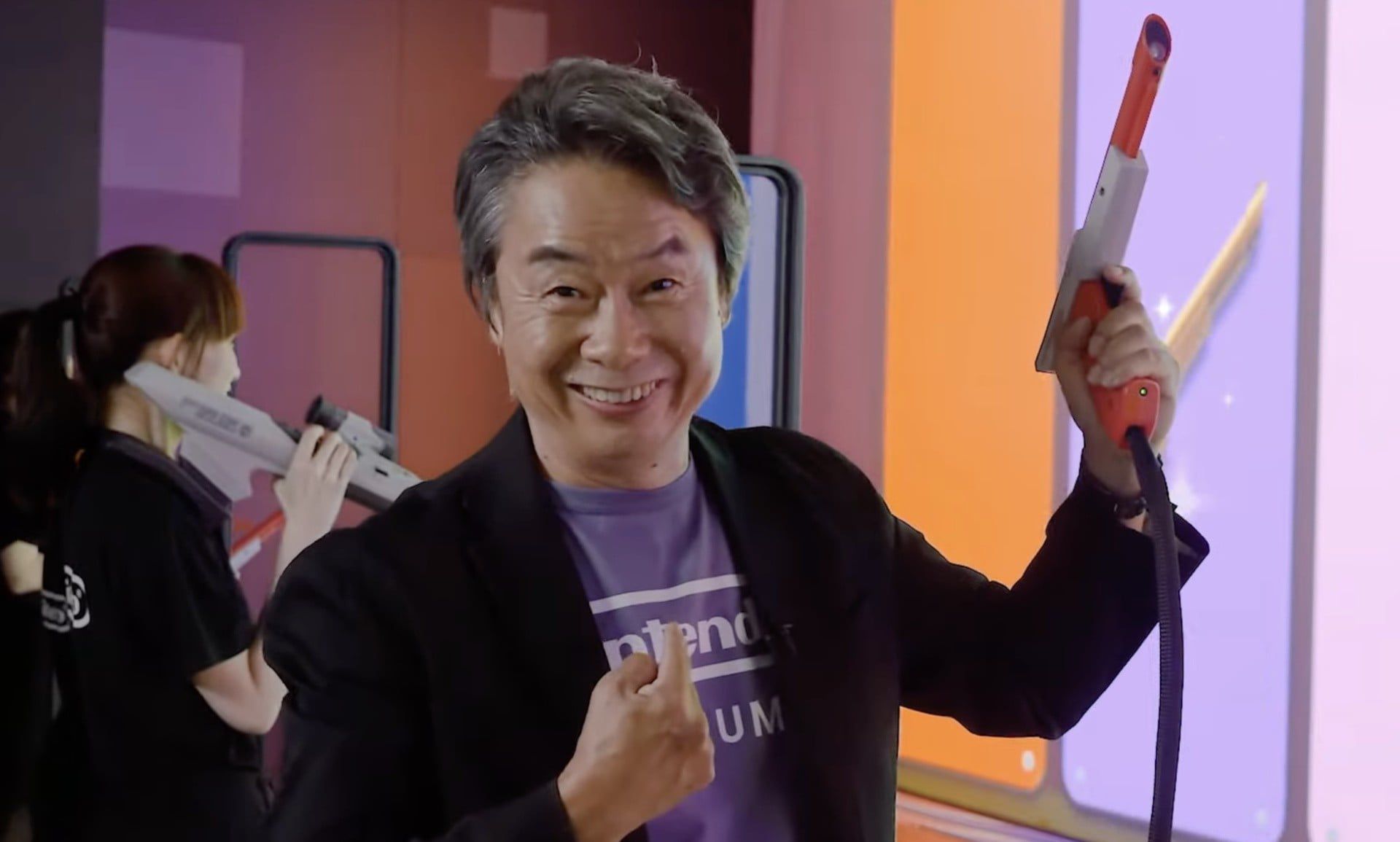
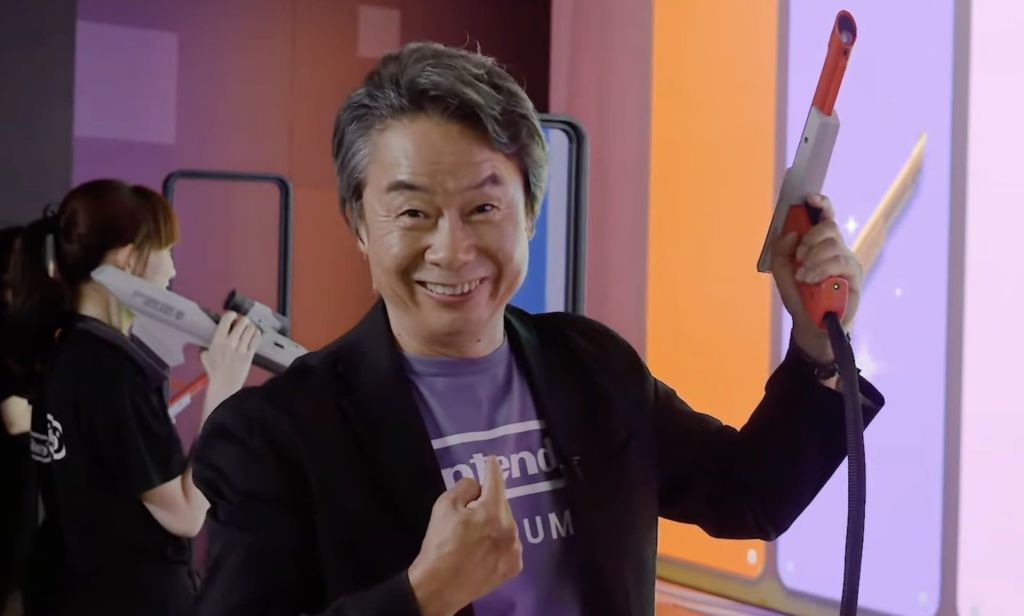
As early as I have been playing video games my favorite video game company has always been Nintendo. And a large part of the reason why I love Nintendo so much has to do with Shigeru Miyamoto, the man who created Mario, Donkey Kong and Zelda and who many people, including myself, consider one of the most important figures if not THE most important figure in the modern gaming industry. He has been likened to Walt Disney and Steven Spielberg for his creation of popular and beloved characters and family-friendly yet universal entertainment, and while it’s easy to call anyone who created Super Mario Bros. and The Legend of Zelda an important person, he really has been consistently creative and ingenious in his approach to software development and his instincts about what makes games fun from the eighties to the present day. Part of the reason why Nintendo has been such a successful company is because ever since Miyamoto’s highly original Donkey Kong made its arcade debut in the eighties and became the company’s greatest financial success in history, the company has focused less on industry trends and cutting-edge graphics and more on following in Donkey Kong’s footsteps by making sure its games are as enjoyable, user-friendly, and appealing as possible, building a huge and faithful legion of fans in the process.

The Japanese artist and game designer was born in Sonobe, Kyoto in 1952 surrounded by the wilderness, which was great for him because he was a natural explorer in addition to his love for building and creating things and his love for manga and American entertainment, especially genre entertainment like Westerns and sci-fi (as an adult, Star Wars and Raiders of the Lost Ark would be among his favorite films). He studied industrial design at the Kanazawa College of Art in the 1970s, where most students went on to manufacture cars and electronics. His imagination was too wild for those things. He once considered a storytelling medium, and becoming a manga artist in particular. But Miyamoto was a college student at the same time video games began taking off in popularity, and once he started playing the 1978 game Space Invaders, he realized his actual passion was video games.
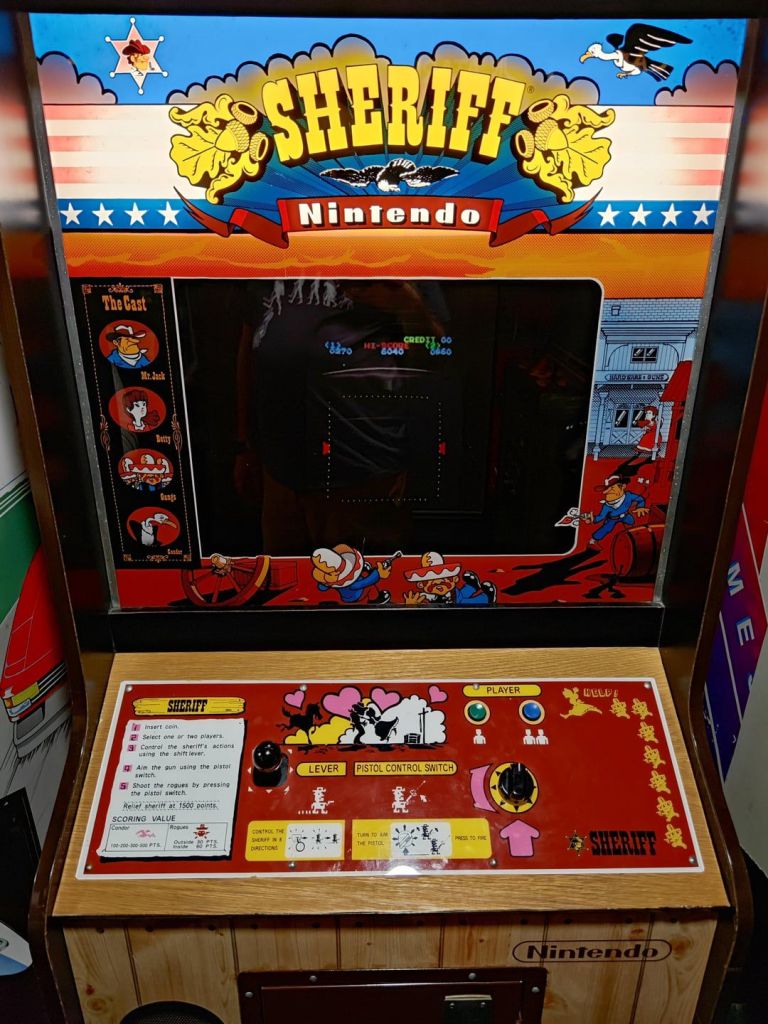
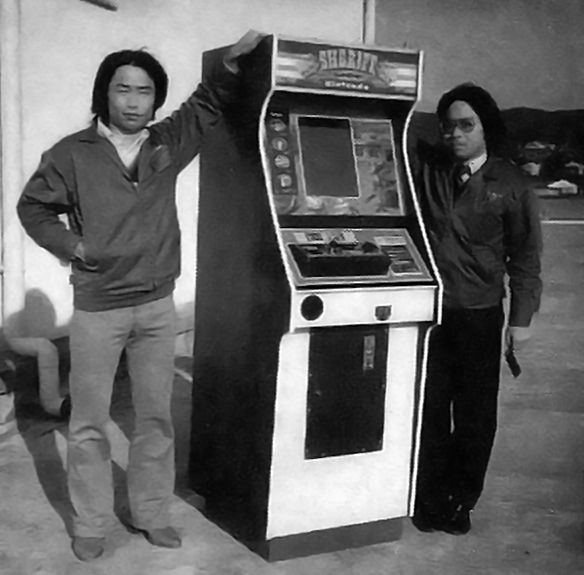
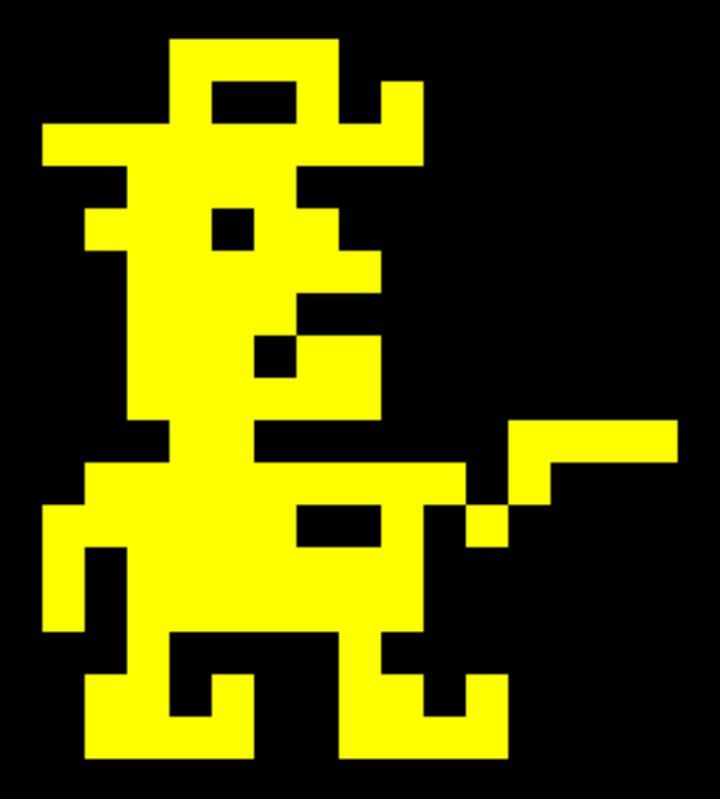
Luckily his dad had connections through friends to Hiroshi Yamauchi, the president of Nintendo, which was still known as a toy and playing card company back in the 1970s but was dabbling in arcade game development at the time. After being impressed by Miyamoto’s toy creations, Yamauchi hired Miyamoto as an apprentice in the Planning Department, but Miyamoto would get to show off his artistic skills when Nintendo tasked him with designing the arcade cabinet for their 1979 arcade game Sheriff, a Western-themed shooter game designed by Genyo Takeda.
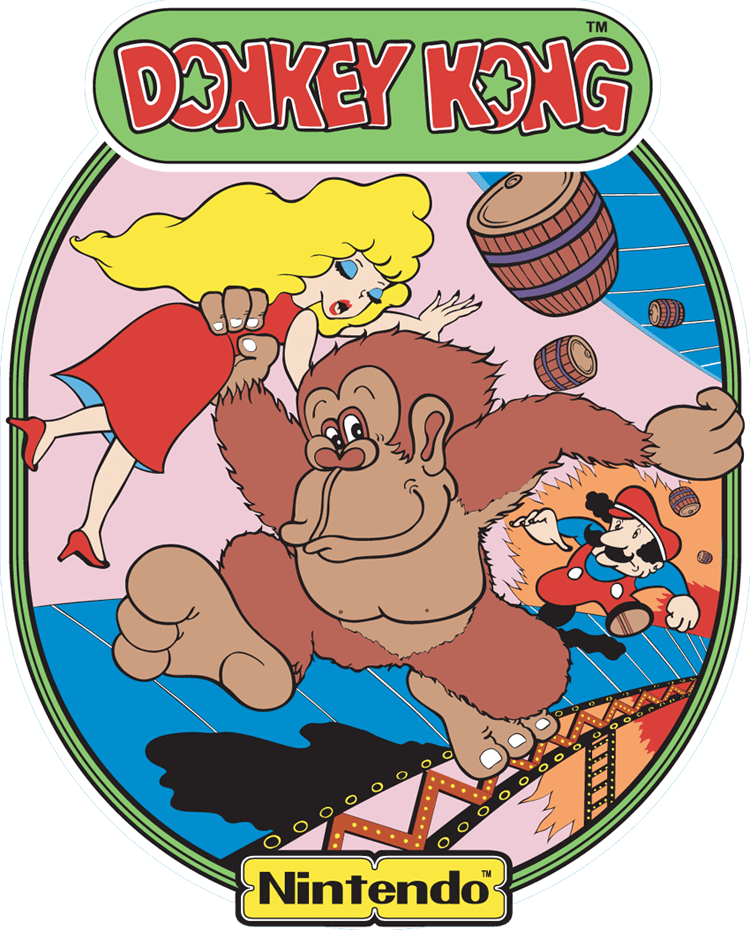
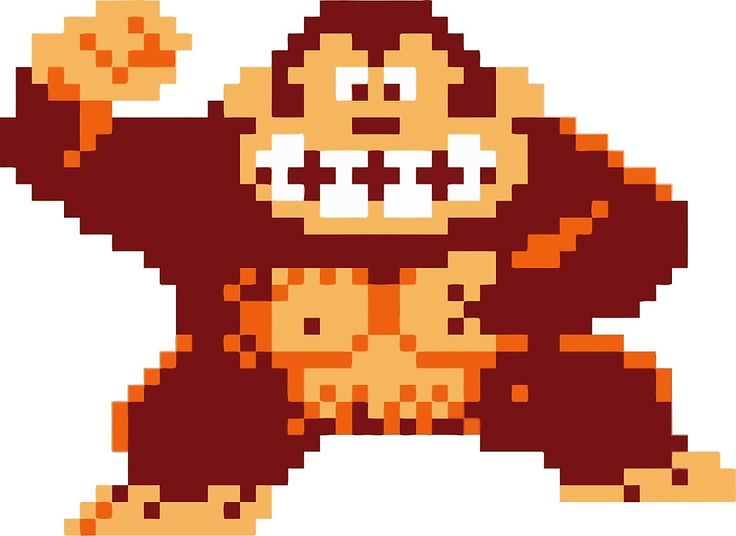
However Miyamoto was really put to the test in 1980 when Nintendo asked him to create a brand new arcade game to replace their recent failure Radar Scope. With help from the game’s producer Gunpei Yokoi, the legendary Nintendo employee who invented the Ultra Hand and the Game & Watch, Shigeru Miyamoto would design the game and for the first time direct a game. And being the creative person that he was, he came up with a story, in this case a love triangle story in which you must climb a building to save a woman from a brute who kidnaps her, which was inspired by Miyamoto’s memory of the Popeye cartoons. Although Nintendo’s attempt to obtain the rights to Popeye failed, so instead Miyamoto created a carpenter who must save his girlfriend from a gorilla, a gorilla who hurls barrels at you that you must jump over. This concept was more ambitious than the plots for most video games, none of which even featured jumping. But the four-man programming team managed to convert many of Miyamoto’s ideas into a playable game, including sloping platforms, rolling barrels and multiple levels (four total). These characters would eventually come to be known as Mario (the carpenter) Pauline (the girlfriend) and Donkey Kong (the gorilla), the game would be called Donkey Kong, would be released in 1981 and, as we all know, would become a huge worldwide success.
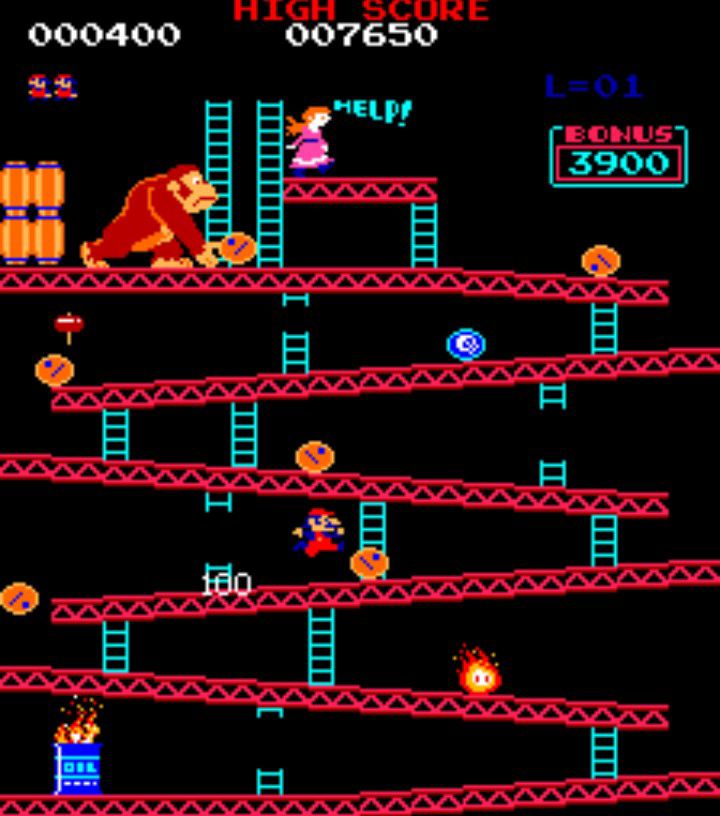
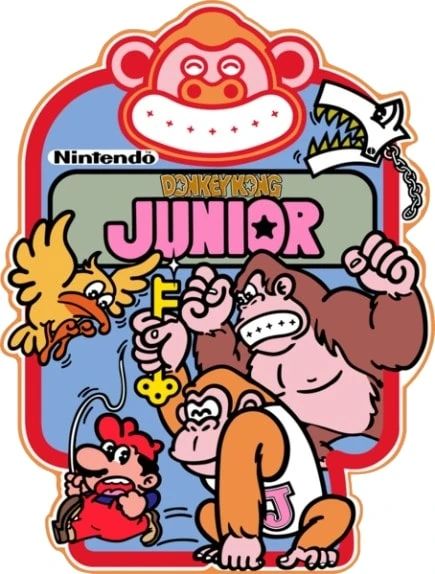
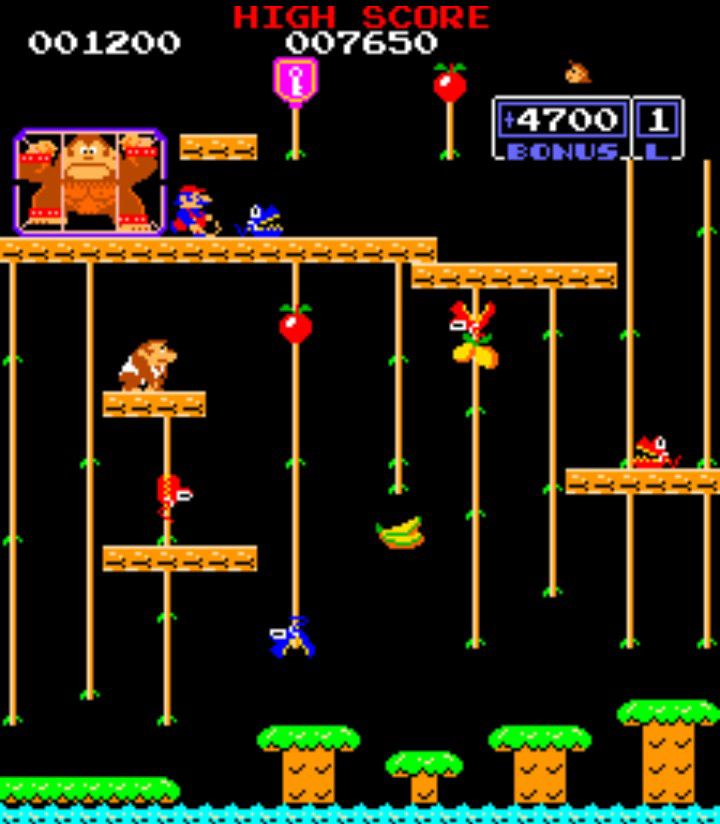
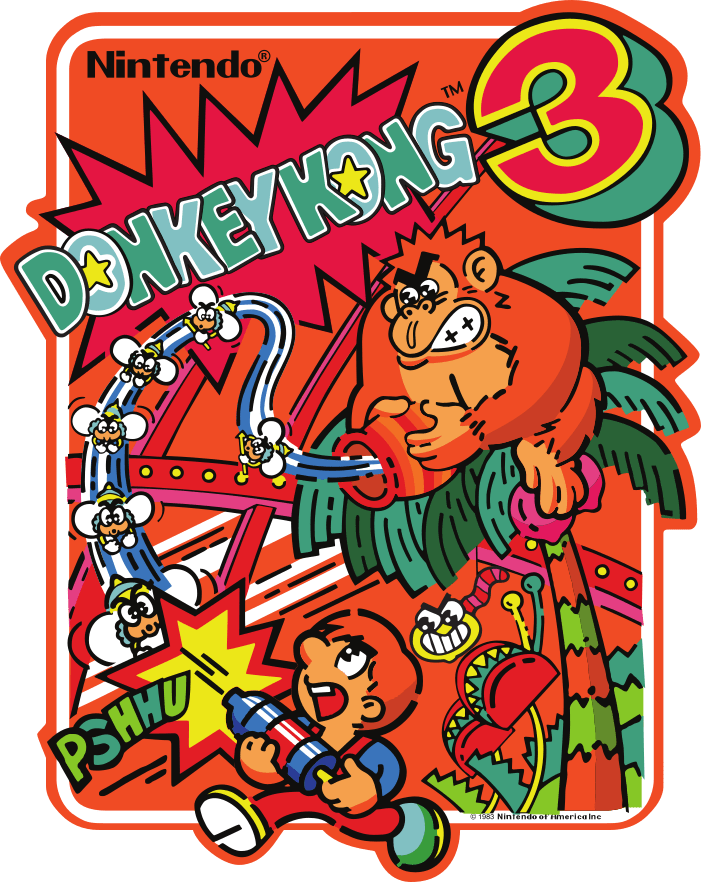
After Donkey Kong became a phenomenon, Shigeru Miyamoto quickly became one of Nintendo’s MVPs. He went on to direct and design Donkey Kong Jr. (1982) which put you in control of Donkey Kong’s son as he rescued his father from captivity and implemented some unused level designs from Donkey Kong. The initial idea for the game was for Donkey Kong to be the playable character, but Miyamoto created the character of Donkey Kong Jr. instead because the game worked better with a smaller character. Miyamoto would bring back the character of Donkey Kong one more time when he designed and directed the arcade game Donkey Kong 3 (1983) in which you play as a bug exterminator named Stanley who must rid his greenhouse of the gorilla while protecting his plants from insects.

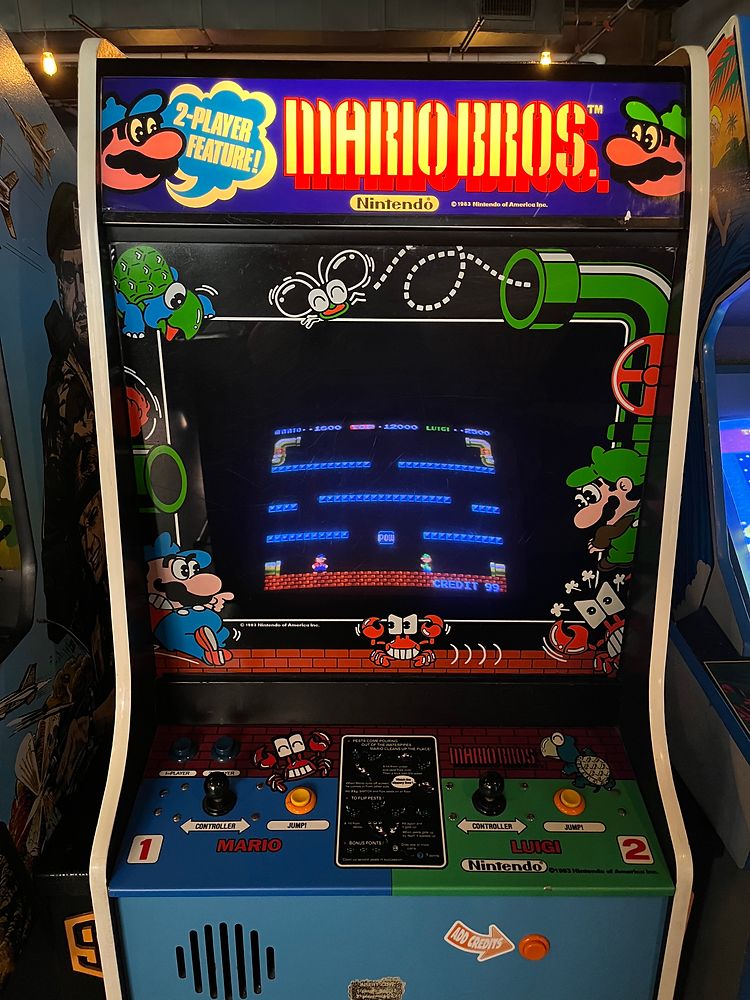
In 1983 Miyamoto bought back the character of Mario and introduced his brother Luigi in a 2-player arcade game called Mario Bros., in which the Italian plumbers had to defeat a constant parade of creatures like turtles and crabs who were coming out of the sewer pipes. It was in this game that Miyamoto first came up with the idea for Mario and Luigi to be plumbers from New York City, not only for the game’s pipe theme to make more sense but because the underground pipe system in New York City was notoriously complex and, if myths were to be believed, were sometimes even home to creatures like alligators. As with Donkey Kong, Gunpei Yokoi and Shigeru Miyamoto would both design the game together with Yokoi producing and Miyamoto directing.
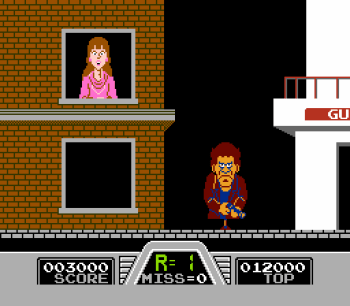
In 1983 Miyamoto shifted from making arcade games to making console games for the Famicom (known as the Nintendo Entertainment System aka NES in America), designing Baseball (1983), Tennis (1984) and Golf (1984), directing the 1984 Famicom version of the arcade game Wild Gunman, which he designed alongside Makoto Kanoh, directing the light gun-compatible Duck Hunt (1984), which he designed with artist Hiroji Kiyotake, and directing and designing Hogan’s Alley (1984), a game in which you aimed your light gun at cardboard cutouts of criminals while trying to avoid the cardboard cutouts of innocent civilians.
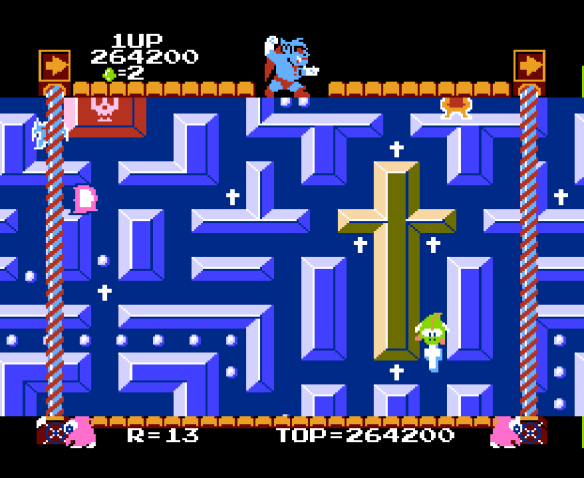
Shigeru Miyamoto would direct his first console-exclusive game when he teamed up with designer Takashi Tezuka on the Famicom game Devil World (1984), a Pac-Man-style game in which you control a dragon named Tamagon who must navigate a monster-filled maze while touching the crosses to gain power. At the same time, the winged Devil at the top of the screen makes things extra challenging by manipulating the borders of the wall surrounding the maze, which may result in you getting squished between walls and losing a life if you aren’t careful. This game is little known to American gamers because it was a Japan exclusive, due to what would be seen by too many American families as a blasphemous use of religious symbols, but most critics and gamers called it fun and inventive if perhaps too complex. Importantly, it would also mark the first time Shigeru Miyamoto teamed up to create a game with Takashi Tezuka, who would later become one of Miyamoto’s most successful collaborators.
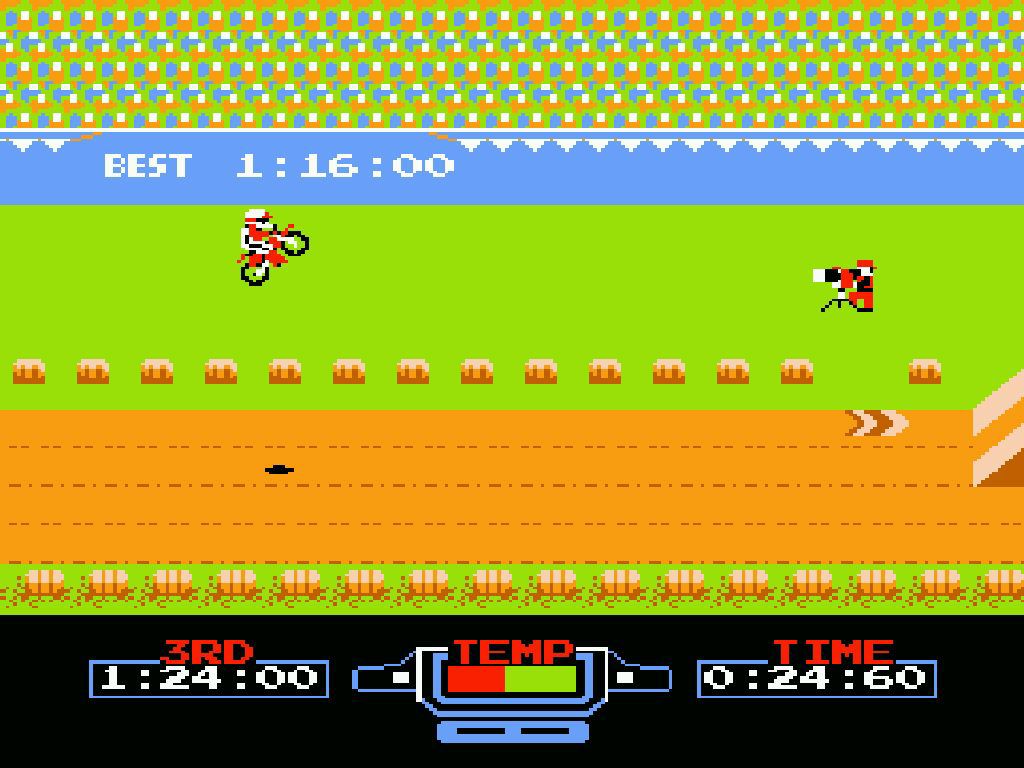
Another important milestone in Miyamoto’s directing career would be the NES game Excitebike (1984), a side-scrolling motocross racing game in which you had to navigate jumps, hurdles and rough surfaces while maintaining balance on your bike, which you could easily lose by leaning too forward or not landing just right. You even had the ability to increase your acceleration with a turbo boost, which could overheat your engine if used too long. There was even a design mode that allowed you to build and race on your own custom tracks. Based on all these impressive features, the game was a huge success and is regularly seen as one of Nintendo’s best games.
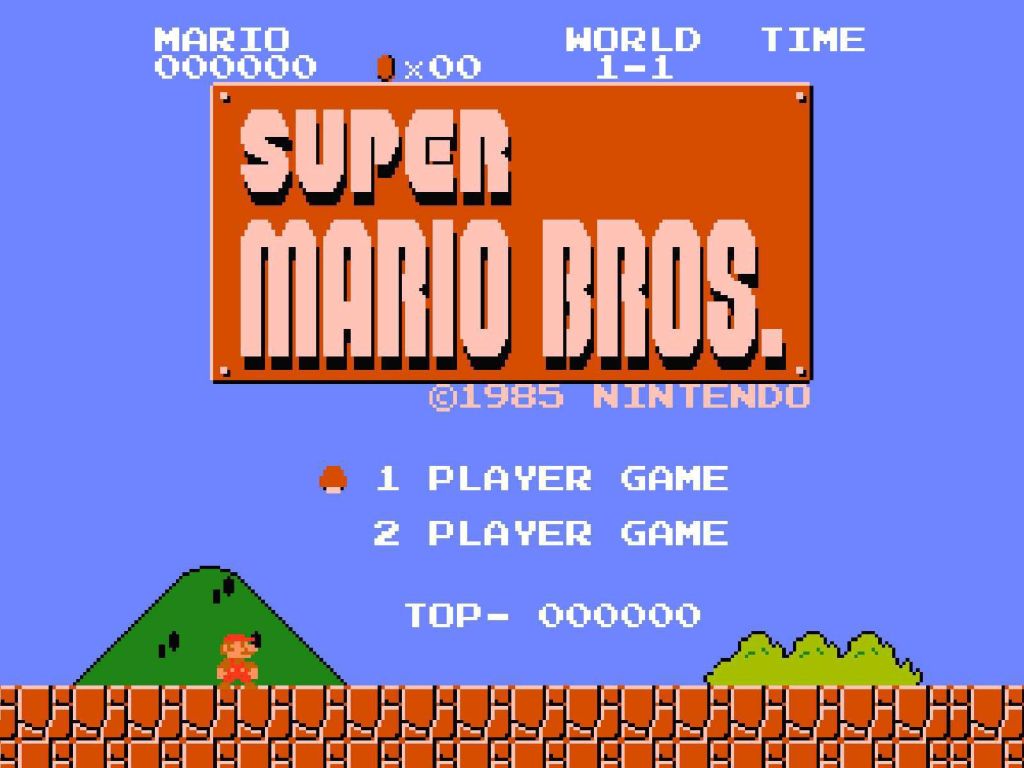
The most popular game Shigeru Miyamoto ever worked on and probably the most popular Nintendo game of all time was Super Mario Bros. (1985) for the NES, a 2-player side-scrolling platformer that put you in control of Mario and Luigi as they navigated the Mushroom Kingdom to save Princess Peach from Bowser the Koopa king. Shigeru Miyamoto produced and directed the game and designed it alongside Takashi Tezuka, with Miyamoto taking everything he learned from previous games to make this one. After Mario jumped over obstacles in Donkey Kong and teamed up with Luigi to defeat pipe-dwelling turtles, and thanks to the smoothness and speed of the side scrolling in games like Excitebike and the NES version of Kung Fu, as well as inspiration from Namco’s colorful 1984 arcade side-scroller Pac-Land (which was in turn inspired by Hanna-Barbera’s Pac-Man TV series), Miyamoto finally had the technical experience to create a game in which Mario could run, jump and swim his way through a vast world of warp pipes, underground tunnels, power-ups, castles and fire-breathing turtles. And unlike most games at the time, it would feature colorful backgrounds and actual music (courtesy of the brilliant musician Koji Kondo).
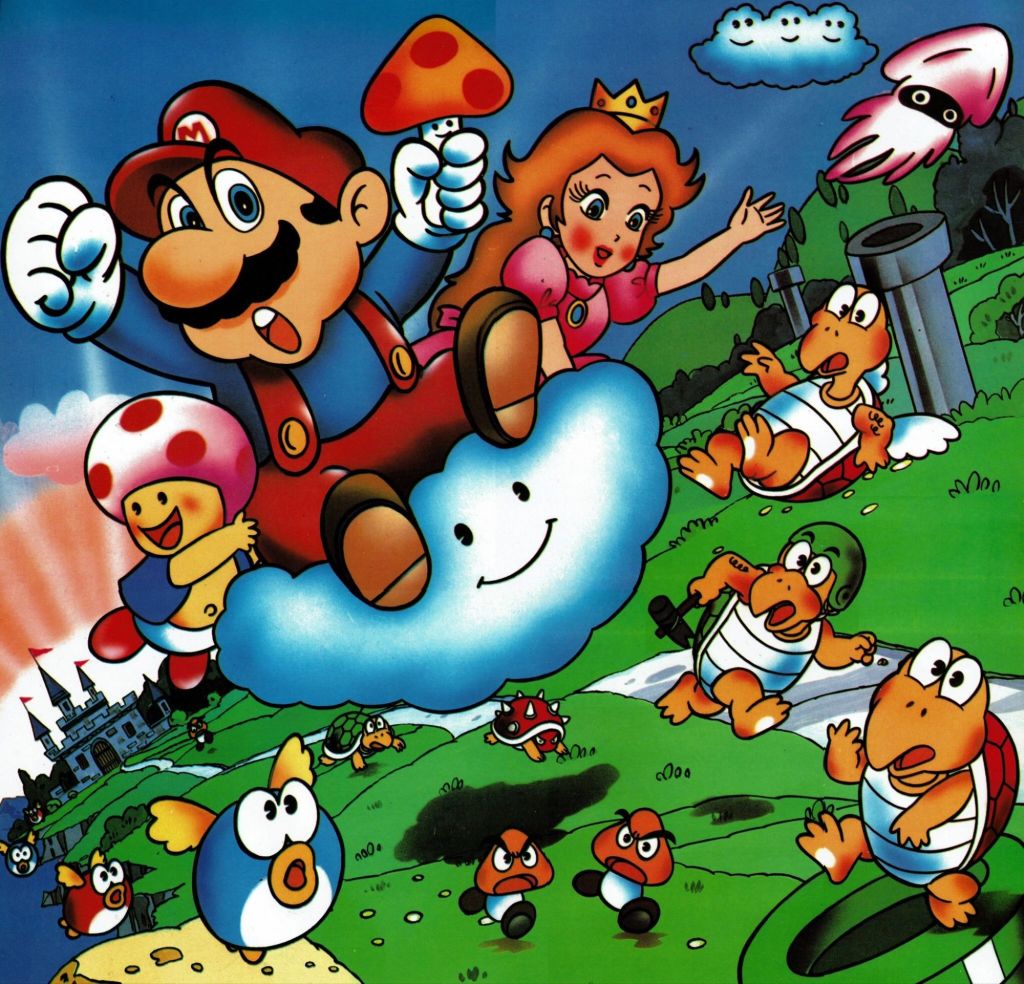
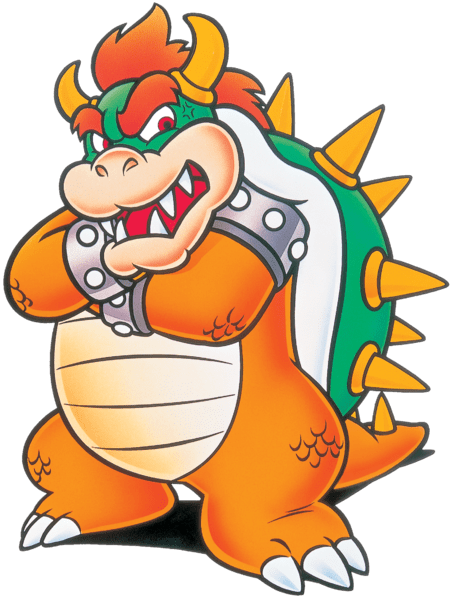
Super Mario Bros. was so popular and critically acclaimed that it is often credited for reviving the video game industry after the video game crash of 1983, often along with the NES and Miyamoto himself. It was well-designed, had well-tuned controls, a wide variety of challenges to overcome and it still holds up to contemporary analysis, while many mainstays of the Mario series were introduced for the first time in this game, including such Miyamoto creations as Princess Peach, Toad, the Koopas, the Goombas (which were simplistic enemies created at the last minute of the development process as a way to counterbalance the difficulty of defeating Koopa Troopas), the pipe-dwelling Piranha Plant, Bullet Bill, the cloud-riding Lakitu, Cheep Cheep, Blooper, Buzzy Beetle and King Bowser himself, who Miyamoto co-created with Tezuka.
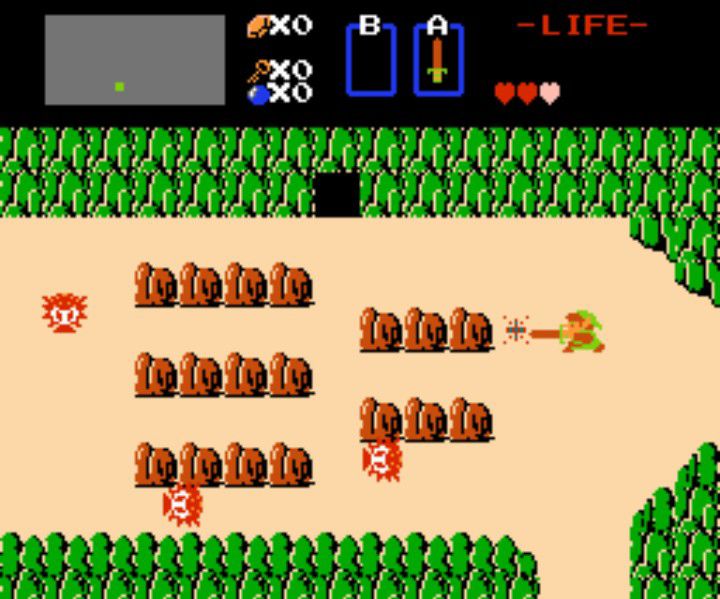
Miyamoto and Tezuka would have another huge success the following year when they both co-directed and co-designed the NES game The Legend of Zelda (1986), a top-down action-adventure game in which you played as an elf-like boy who collected a vast array of tools and weapons to navigate the kingdom of Hyrule as you solved puzzles and defeated monsters in various dungeons while searching for the Triforce of Wisdom and Princess Zelda’s whereabouts. Miyamoto’s childhood explorations of the fields, woods and caves of Kyoto served as an inspiration for The Legend of Zelda, with Miyamoto seeking to replicate that sense of discovery and freedom with the game’s huge open-world map. It became hugely influential in the adventure game genre and the Zelda series is still going strong and remains popular to this day (I’ll be blogging more about the Zelda series later this year).
Shigeru Miyamoto and Takashi Tezuka would revisit the Mario series when they teamed up to co-direct the 1986 sequel Super Mario Bros. 2 (known as Super Mario Bros.: The Lost Levels in America), but their biggest co-directing success came when they made the NES game Super Mario Bros. 3 (1988). Designed by Miyamoto and Tezuka alongside Katsuya Eguchi, Hideki Konno and Kensuke Tanabe, Super Mario Bros. 3 was full of genius gameplay and design ideas, including its well-paced learning curve which allowed players of all skill levels to enjoy it while still providing a fair level of challenge.
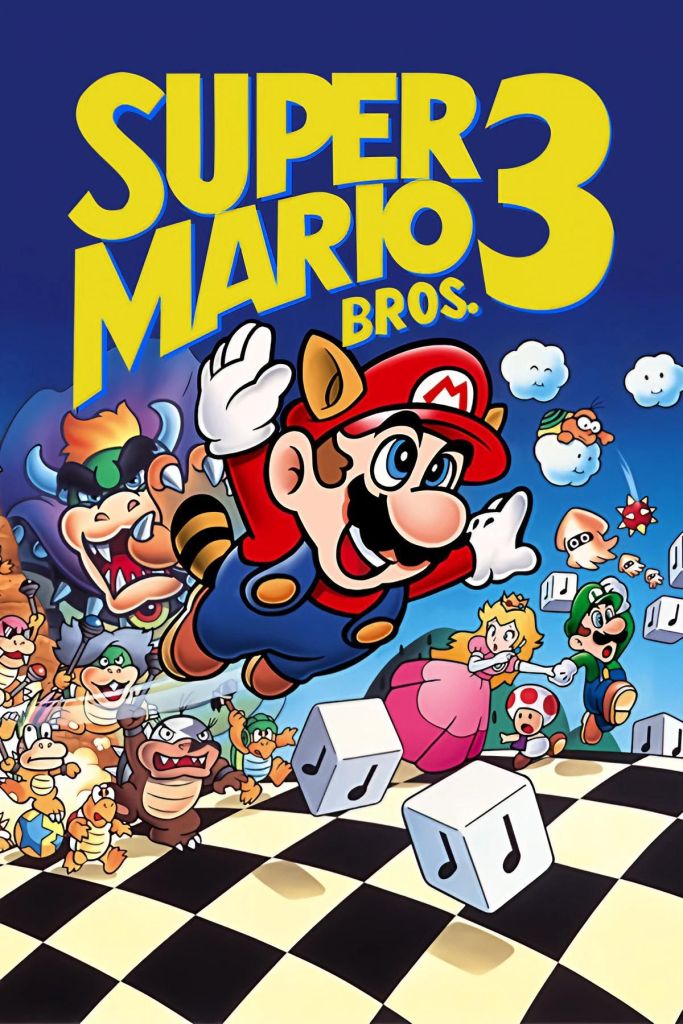
Miyamoto pushed for originality to keep the game interesting and different enough from previous games to feel new, which led to things like the Raccoon Leaf power-up which gives Mario and Luigi the ability to fly, a more elaborate overworld, a bigger variety of levels, and new enemies like the undead Dry Bones, the crushing Thwomp, the ghostly but shy Boo, the lunging Chain Chomps and the seven Koopalings who serve as Bowser’s juvenile minions as well as bosses. When Miyamoto created the Koopalings he modeled them after the game’s design team (Nintendo of America was the one who decided to name them after famous musicians). Miyamoto also contributed to the game by creating the handmade stage play aesthetic (with the idea being that the game was a show that Mario and friends were putting on) and by creating the Chain Chomp, which was an enemy inspired by a real-life experience Miyamoto had as a kid with an actual chained up dog.

Super Mario Bros. 3 became one of the most popular NES games both critically and commercially with praise aimed at its challenging gameplay and brilliant level designs. The game was also a lot less punishingly difficult than Super Mario Bros. and Super Mario Bros.: The Lost Levels, especially since by this point NES games had save features.