New Posts (Home)
 ChatBox
 Popular Posts
  Game Zone
 Top PodCasts


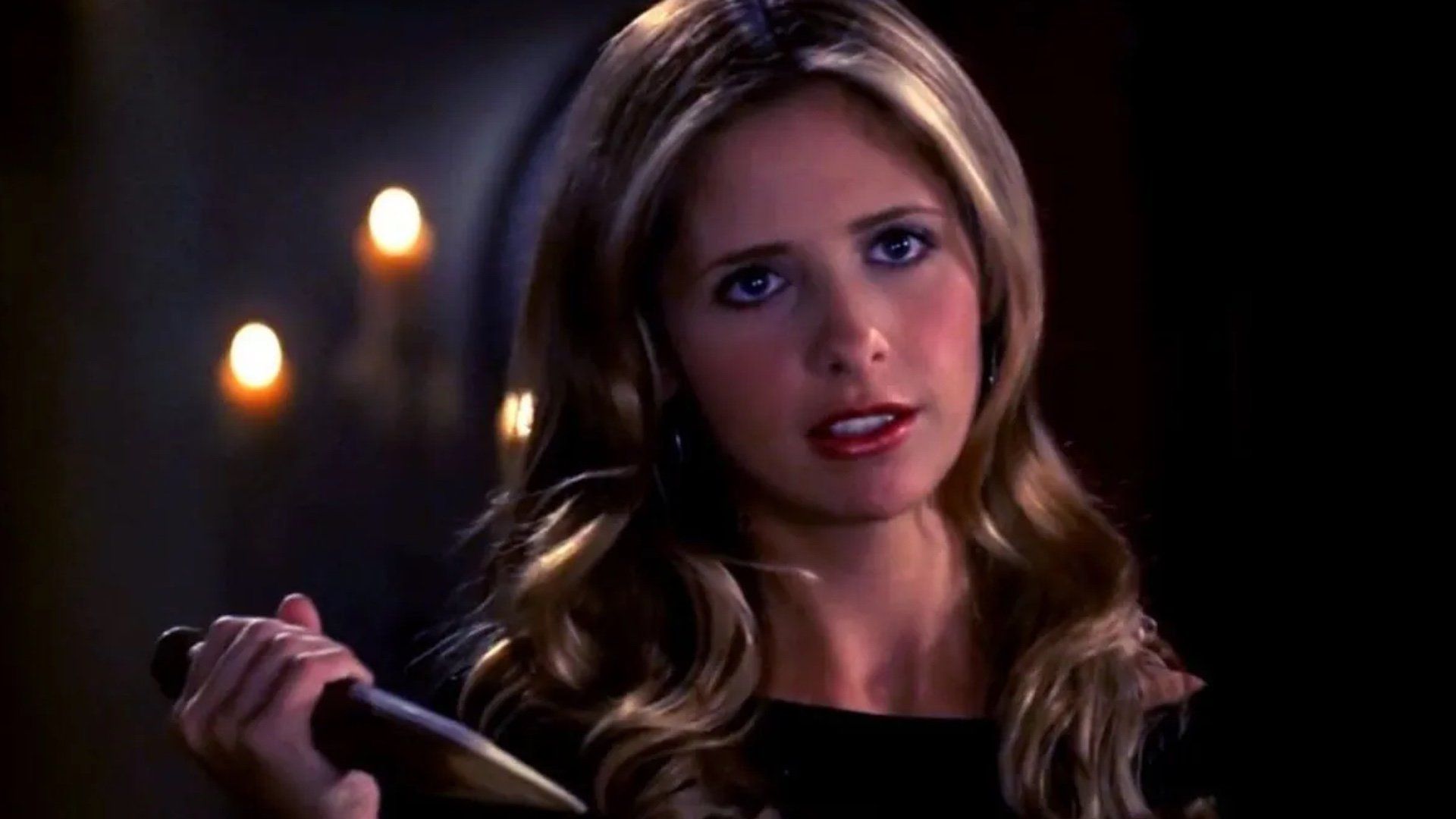
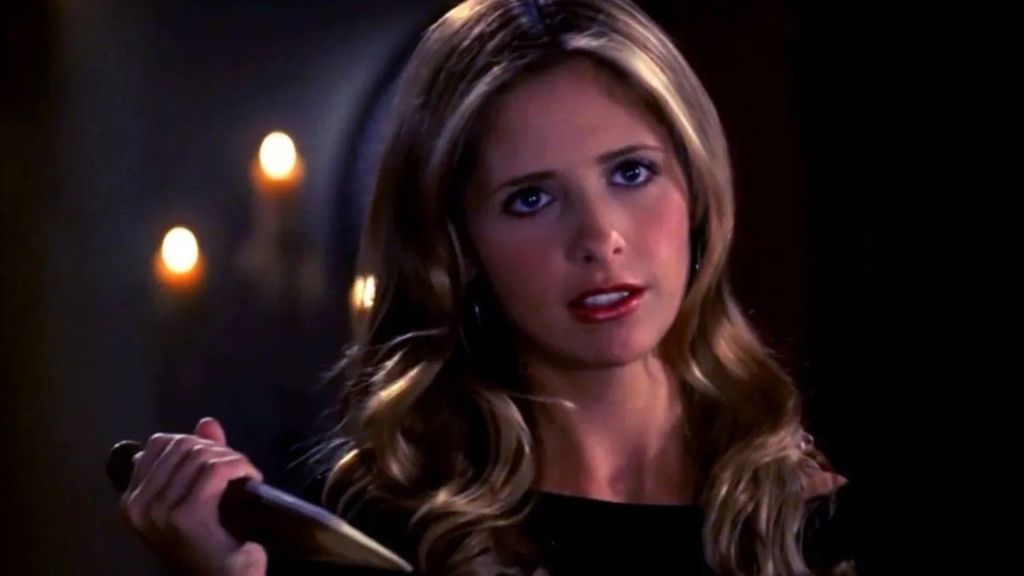
Remember when the CW was a thing? You know, an actual prime time TV network with new original scripted programming every fall just like NBC, CBS, ABC and FOX? It still feels like only yesterday to me that Riverdale and the Arrowverse existed, but things have changed rapidly ever since Warner Bros. and Paramount both sold their majority stake in the network to Nexstar, which quickly turned it into a much cheaper and much more generic station of reality TV and licensed Canadian dramas. But this shift from original teen-oriented programming to low-budget syndicated programming aimed at general audiences was kind of inevitable, for reasons that I will make clear in this two-part article which will not only chronicle the rise and fall of the CW but also the rise and fall of something that used to be a broadcast television mainstay but has now gone completely extinct in the prime time landscape: young adult programming.
Of course I can’t discuss the history of the CW without also discussing the history of UPN and the WB, the two networks that merged to form the CW.
The History of the WB
The first time Warner Bros. made a serious attempt at owning their own prime time TV network was when they saw the huge success that 20th Century Fox had after launching FOX. This led to the creation of Prime Time Entertainment Network (PTEN), which launched in 1993 after Warner Bros. Television teamed up with United Television (a subsidiary of multi-million-dollar manufacturing corporation Chris-Craft Industries, which just so happened to be looking for an excuse to go into broadcasting).
PTEN had the programming strategy and overall veneer of a premium cable network, a deliberate attempt to compete with what broadcast television clearly saw as its biggest threat at the time. It was not the big success that Warner Bros. hoped it would be, but it had some good stuff. It’s the original network where the cult hit space opera Babylon 5 first aired, and in 1995 they aired a great 10-hour docuseries called The History of Rock ‘n’ Roll. But the network only lasted four years from 1993 to 1997.
Time Warner had more luck partnering with the Tribune Company (the corporation best known for owning newspapers like the Chicago Tribune, the Baltimore Sun and the L.A. Times) to create the WB Television Network, better known as the WB, which first launched on broadcast television in 1995. In its early days, the WB was known for airing sitcoms, the first of which were The Wayans Bros. (1995-99), the dysfunctional family sitcom Unhappily Ever After (1995-99), soap opera parody Muscle (1995) and The Parent ‘Hood (1995-99).
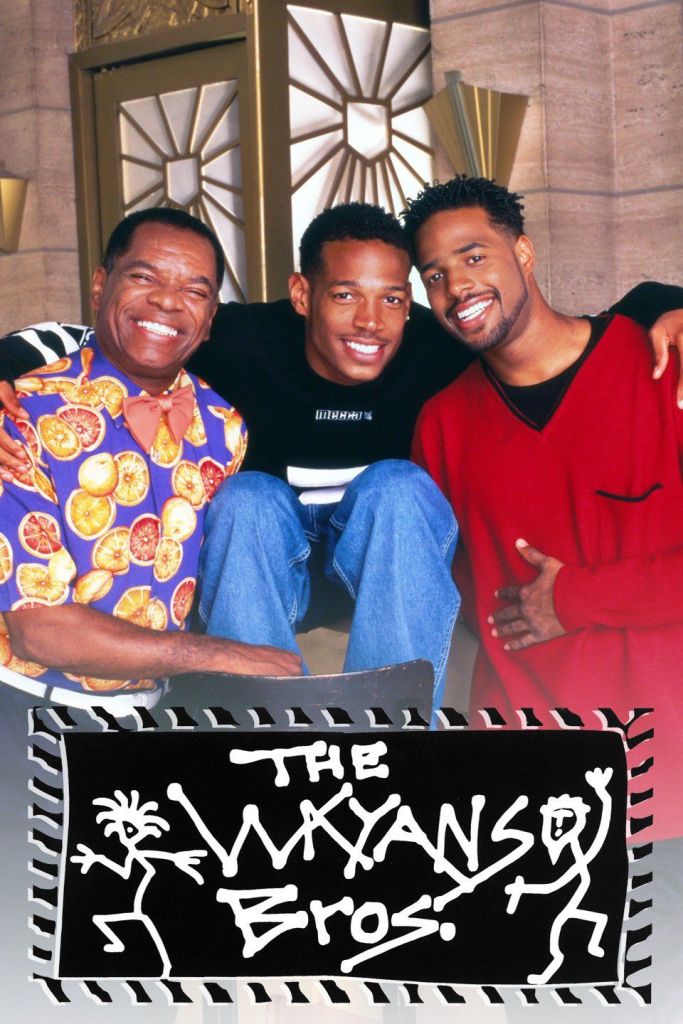
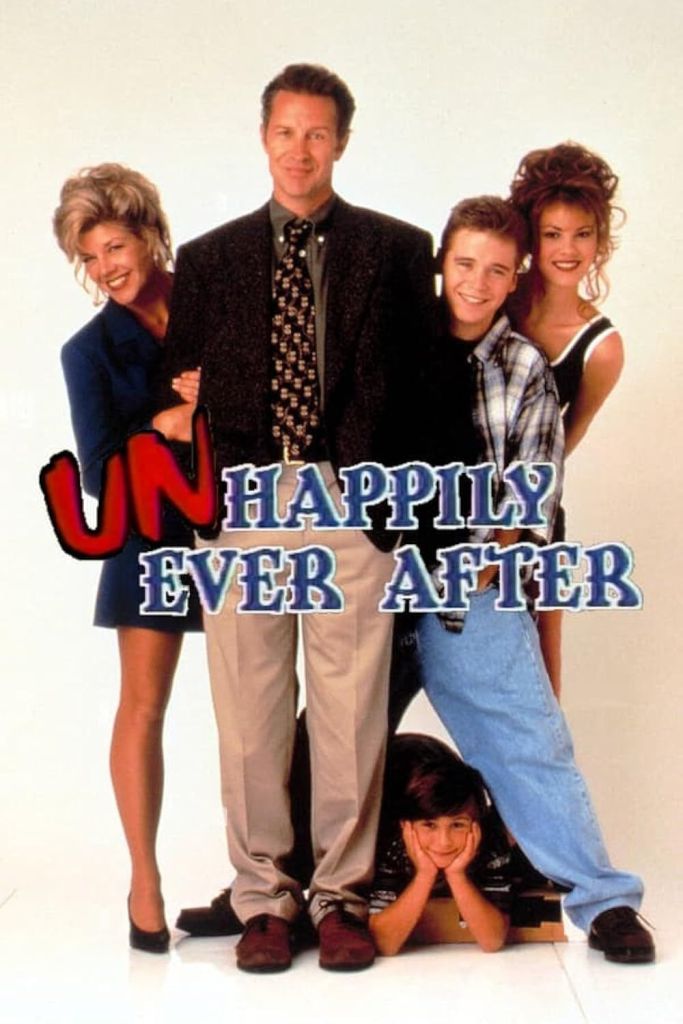
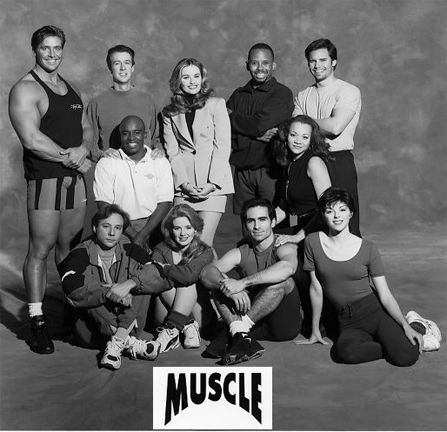
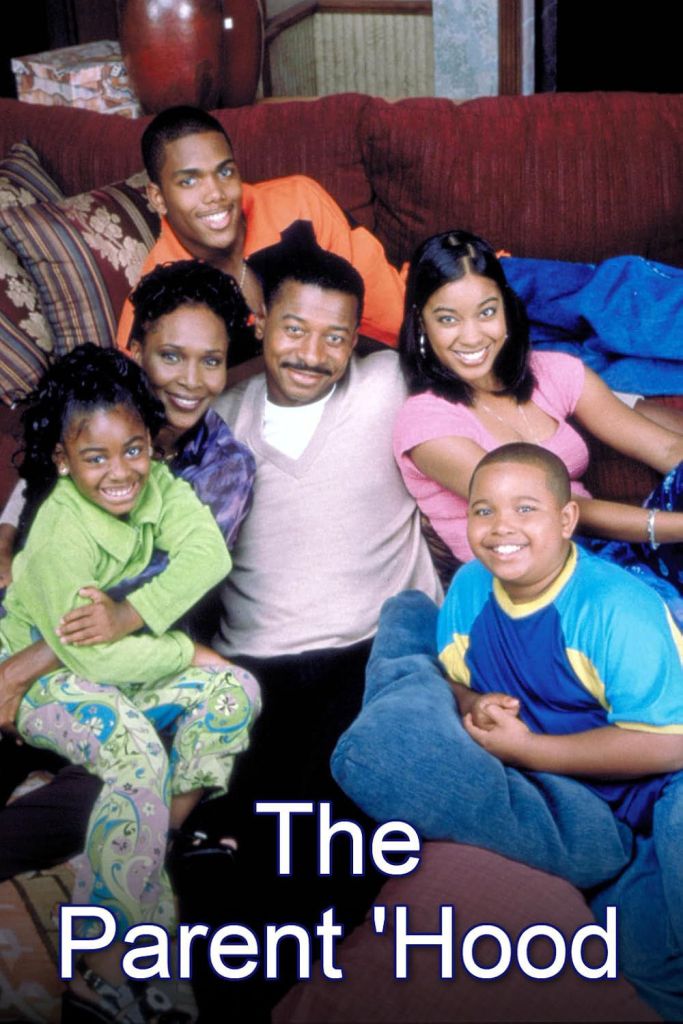
One savvy decision that the WB made early on was saving Tia and Tamera Mowry’s sitcom Sister, Sister when ABC cancelled it after two seasons, which turned out to be one their smartest moves as the show lasted four more seasons on that network. The network similarly saved the sitcom Brotherly Love by giving it an extra season and the sitcom For Your Love by giving it four extra seasons after NBC cancelled both, in addition to extending the lives of ABC’s Sabrina the Teenage Witch and the FOX sitcoms Grounded for Life and The PJs. Other popular sitcoms that were WB originals include The Jamie Foxx Show (1996-2001), The Steve Harvey Show (1996-2002), Smart Guy (1997-99) starring Tahj Mowry (Tia and Tamera’s little brother), Reba (2001-06) starring country singer Reba McEntire and What I Like About You (2002-06) starring former child star Amanda Bynes.
In the network’s first year on the air, they also expanded their schedule to daytime hours and introduced the children’s programming block Kids’ WB on weekday afternoons and Saturday mornings with the first shows to air in that block being Animaniacs (which originally aired on Fox Kids before moving to Kids’ WB), The Sylvester & Tweety Mysteries, Pinky and the Brain, Freakazoid! and Earthworm Jim. In the years that followed, Kids’ WB went on to include shows like Superman: The Animated Series, The New Batman Adventures, Men in Black: The Series, Histeria!, Batman Beyond, Jackie Chan Adventures, Static Shock, X-Men: Evolution, ¡Mucha Lucha!, What’s New, Scooby-Doo?, Xiaolin Showdown, The Batman and Johnny Test in addition to introducing many American kids to anime for the first time by airing the English-language versions of popular Japanese shows like Pokémon and Yu-Gi-Oh!

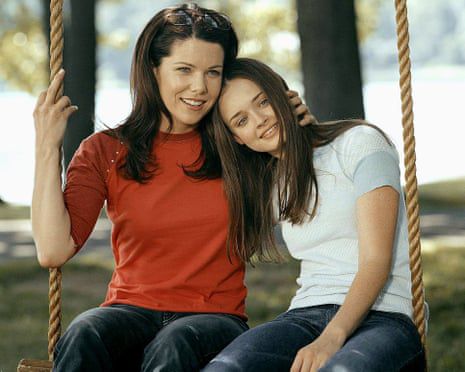
In 1996 the WB began airing hour-long programs, the first one being Spelling Television’s Savannah (1996-99) which was followed by hugely popular shows like the family drama 7th Heaven (1996-2006) and the supernatural high school drama Buffy the Vampire Slayer (1997-2001), both of which were really responsible for the network’s eventual shift towards targeting teenagers and eventually led to similar shows like Charmed (1998-2006), Dawson’s Creek (1998-2003), Felicity (1998-2002), Gilmore Girls (2000-06), Smallville (2001-06), Everwood (2002-06), One Tree Hill (2003-06) and Supernatural (2005-06), many of which were well-written and actually struck a chord with teenage viewers. Especially teenage girls, a demographic that the WB intentionally tried to win over by greenlighting shows with strong female lead characters.
The History of UPN
The same exact year and month that the WB launched, the United Paramount Network (UPN) also launched. Paramount had been trying to launch a successful television network for a very long time, attempting it earlier at two separate occasions, once in the 1940s and once in the 1970s. They did have success in syndication with programs like Entertainment Tonight, The Arsenio Hall Show and the Star Trek series though, and by 1993, the now Viacom-owned Paramount would partner with WB’s former PTEN partner Chris-Craft to create a new network for broadcast television, which would launch two years later as UPN at the beginning of 1995. The first series that aired on the network was Star Trek: Voyager (1995-2001), with other early hits being the sitcom Moesha (1996-2001) starring Brandy and action-packed crime drama The Sentinel (1996-99).
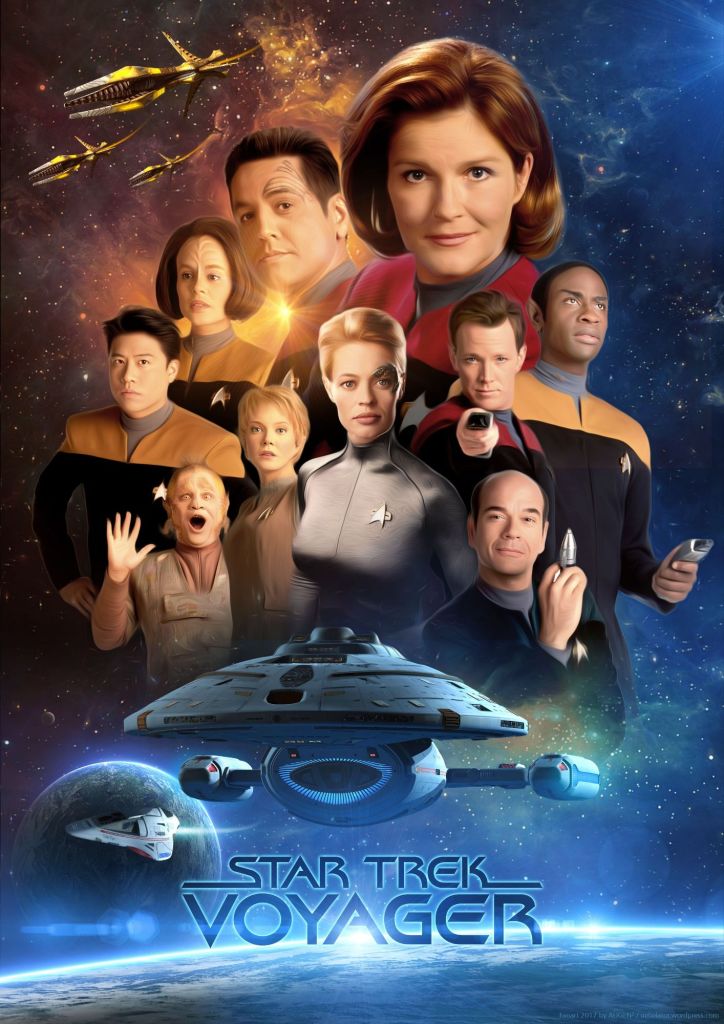

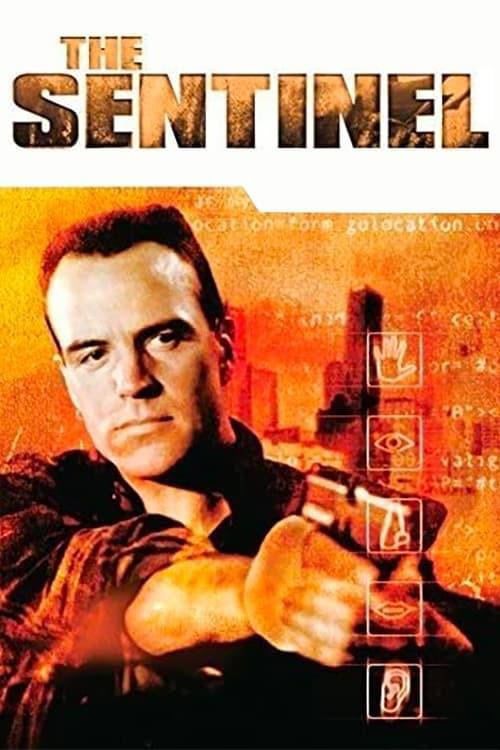
UPN’s most successful sitcoms following Moesha included Malcolm & Eddie (1996-2000), The Parkers (1999-2004), Girlfriends (2000-06), One on One (2001-06), Half & Half (2002-06), All of Us (2003-06), Eve (2003-06) and Everybody Hates Chris (2005-06), while their most popular dramas following Star Trek: Voyager and The Sentinel were Seven Days (1998-2001), Star Trek: Enterprise (2001-05) and Veronica Mars (2004-06). Like the WB, UPN also occasionally picked up shows that were cancelled by other networks (including shows cancelled by the WB!) like Buffy the Vampire Slayer, Roswell, Clueless, The Hughleys and In the House, while they also had ratings success with unscripted programming like America’s Next Top Model and WWE Smackdown (which still airs to this day, currently on USA Network).
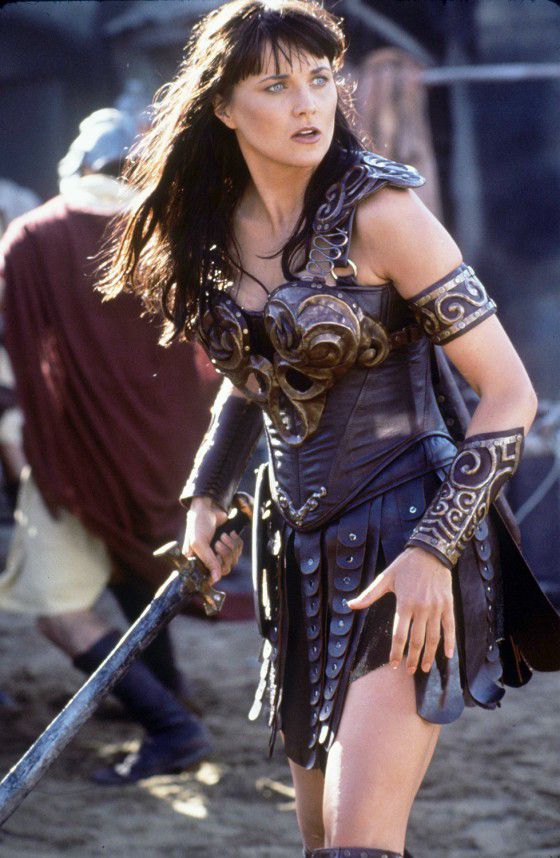
Also like the WB, UPN made an attempt at kids’ programming blocks, first with UPN Kids, which aired on Sunday mornings from 1995 to 1999 and aired shows like The Incredible Hulk, Jumanji and Breaker High, and then with Disney’s One Too (1999-2003), a Sunday morning spin-off of Disney’s One Saturday Morning on ABC which aired shows like Buzz Lightyear of Star Command, Sabrina: The Animated Series and The Legend of Tarzan in addition to being the place where the Japanese series Digimon Frontier made its U.S. debut. A lot of people who watched UPN in the nineties may also remember that it was the primary syndication destination for popular shows like Baywatch and Xena: Warrior Princess as well as the localized English-language versions of anime like Dragon Ball Z, Sailor Moon and Pokémon (before that show ultimately moved to Kids’ WB and later, like a lot of anime, to Cartoon Network).
So why did the WB merge with UPN? Well it turns out that being rivals makes little sense when you’re both fighting to survive. Yes both networks had beloved shows with passionate fan bases, but as things like Firefly, Community and Hannibal have proven, it doesn’t matter how passionate a show’s fan base is if it’s not reaching a Law & Order or NCIS level of viewers, and UPN and the WB’s prime time schedules were full of shows like this: popular, but not popular enough to turn a profit. Which meant that they were essentially losing money every time Buffy slayed a vampire. In my next article I’ll discuss how the merger that led to the CW happened and why Warner Bros. and Paramount’s TV partnership ultimately failed.