New Posts (Home)
 ChatBox
 Popular Posts
  Game Zone
 Top PodCasts


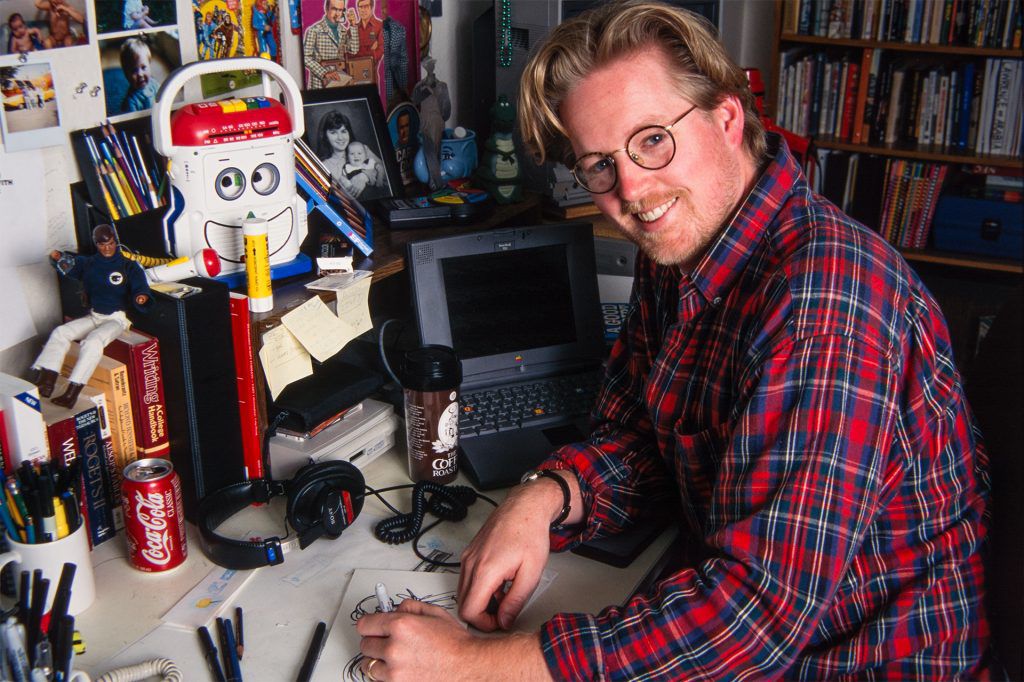
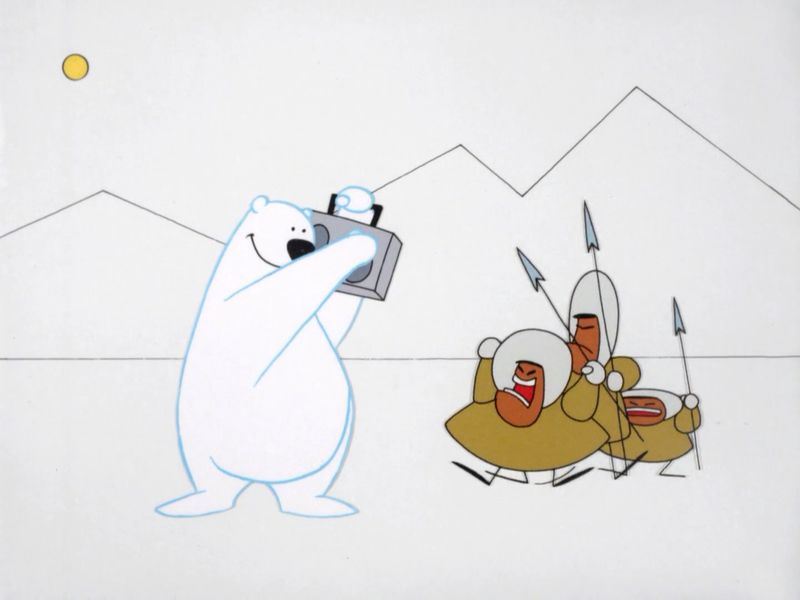
The American animator and filmmaker Andrew Stanton, who is best known for his work as a director for Pixar, was born in Rockport, Massachusetts in 1965. Since he was in high school he has been performing and creating films (usually comedies), and as a college student he would take the first step towards making professional films by transfering from the University of Hartford to study character animation at the California Institute of the Arts (CalArts), where he received a BFA in 1987 after impressing people with his animated student films Somewhere in the Arctic (1986) and A Story (1987).
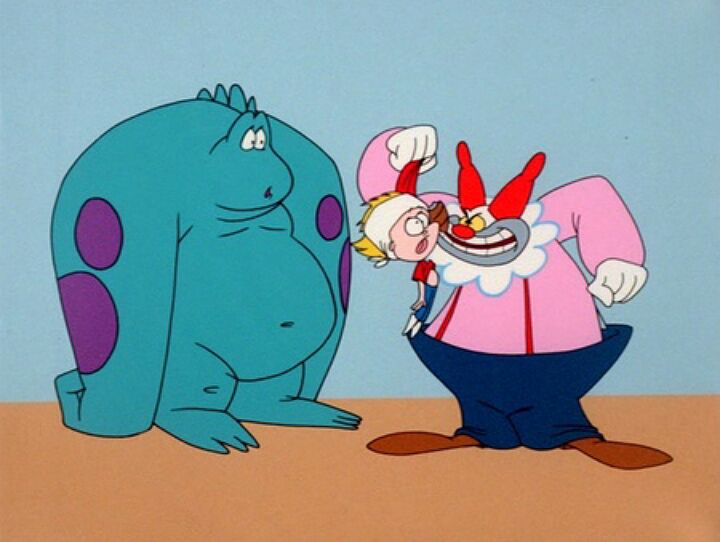
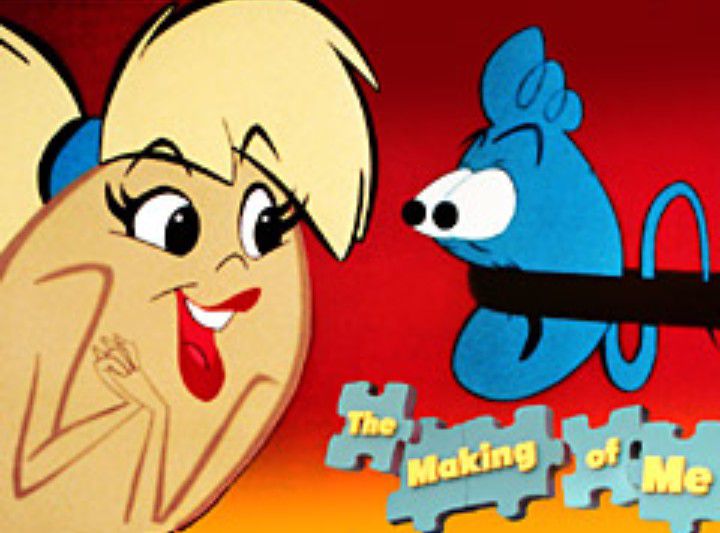
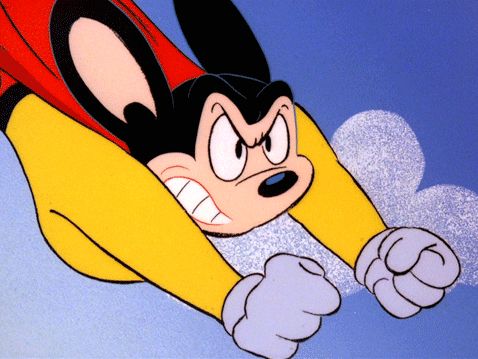
In the late 1980s, Stanton joined Bill Kroyer’s animation studio Kroyer Films, for which Stanton helped animate the sperm in Epcot’s Wonders of Life showcase The Making of Me (1989) starring Martin Short (not exactly a career highlight). Around this time Stanton was also hired by John Kricfalusi to write for Mighty Mouse: The New Adventures (1987-88) at Ralph Bakshi’s animation studio, along with a few other CalArts alums.
The place where Stanton really wanted to work was Walt Disney Animation Studios, but Disney rejected his application three times in a row. Of course he eventually ended up accidentally finding his way to Disney after joining Pixar in 1990. Stanton was the second animator hired at Pixar after John Lasseter, back when the studio was still making TV commercials. When Pixar teamed up with Disney to make their first feature film Toy Story (1995), Stanton was part of the initial story crew with Lasseter and Pete Docter who tried to crack the film’s plot. Stanton was an important part of the crew, particularly when he was teaming up with Joss Whedon to rework and refine the story after a poor screen test in 1993. After Disney released Toy Story, its screenplay became the first animated film screenplay to be nominated for an Oscar.
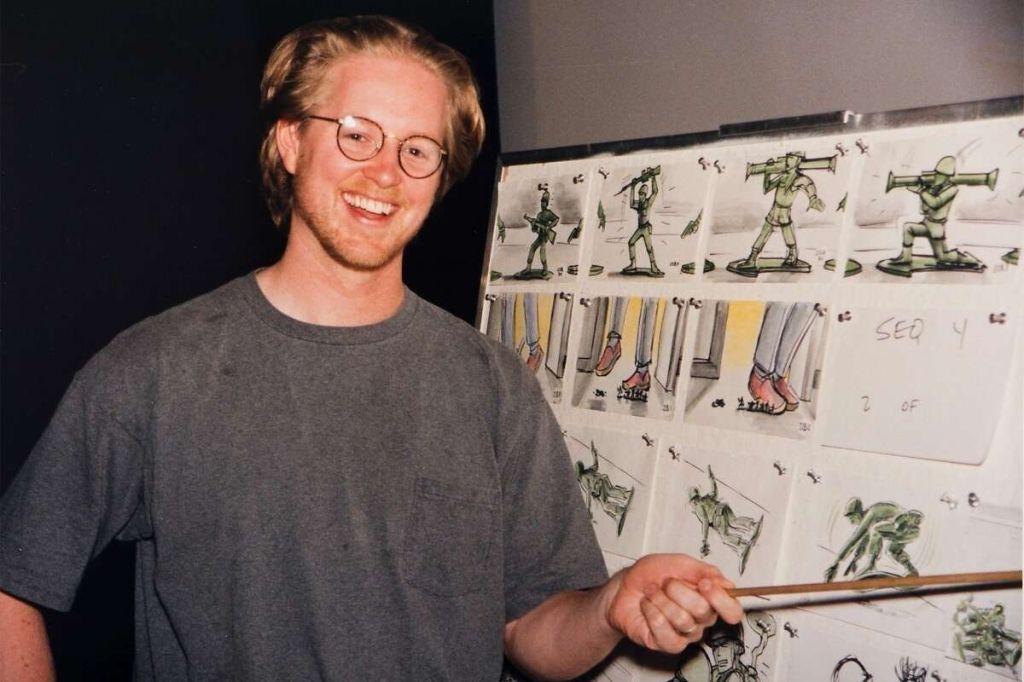
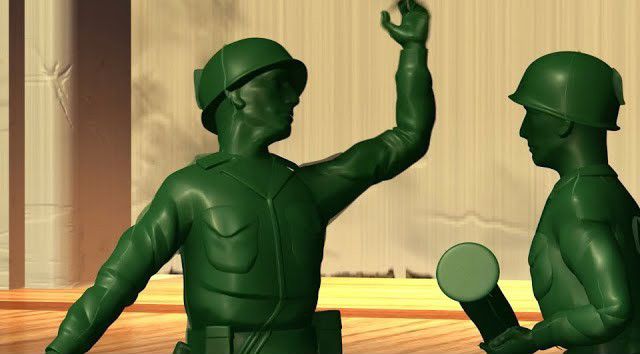
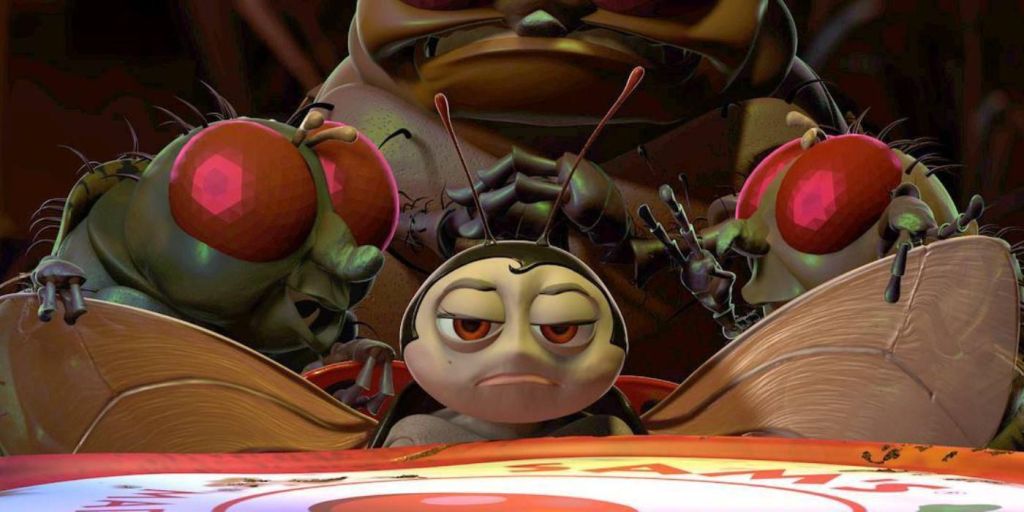
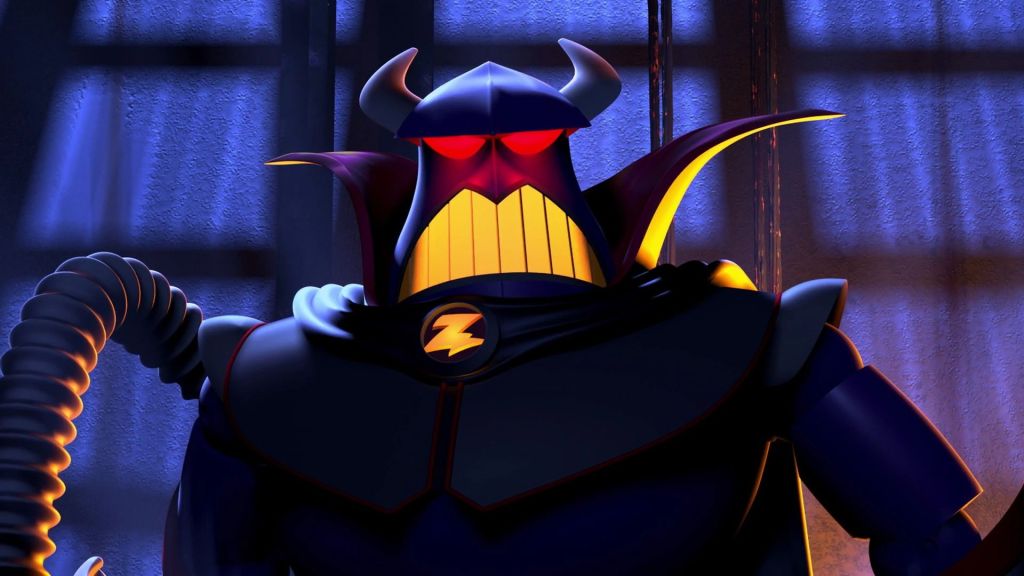
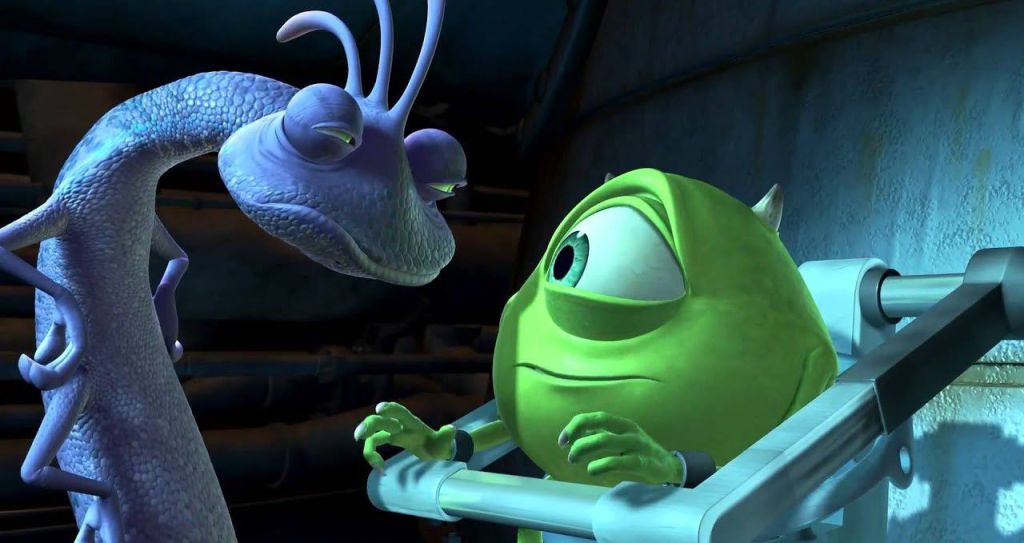
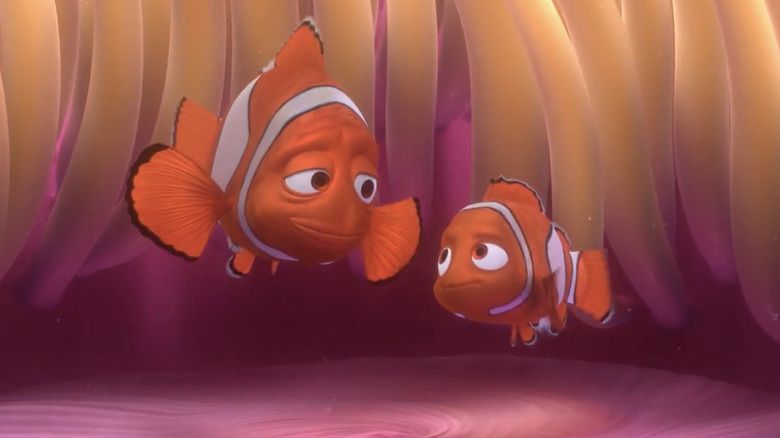
After the huge success of Toy Story, Stanton continued working for Pixar, writing and co-directing A Bug’s Life (1998), writing (and voicing Zurg) for Toy Story 2 (1999) and both writing and executive producing Monsters, Inc. (2001) before he finally got the opportunity to direct his first solo feature film Finding Nemo (2003), which told the story of a clownfish named Marlin voiced by Albert Brooks who journeys across the ocean to find his missing son with the help of a forgetful blue tang (Ellen DeGeneres). The film was heartfelt, hilarious, critically acclaimed, hugely popular at the box office and it eventually won the Oscar for Best Animated Feature Film. It was so commercially successful that it became the highest grossing animated feature since The Lion King (which coincidentally also used to be my favorite animated film before Finding Nemo topped it). In addition to directing and co-writing the film, Stanton provided the voice for Crush the sea turtle, a role Stanton would reprise in 2007 at both Disneyland and Walt Disney World for the attractions Turtle Talk with Crush and Finding Nemo Submarine Voyage.
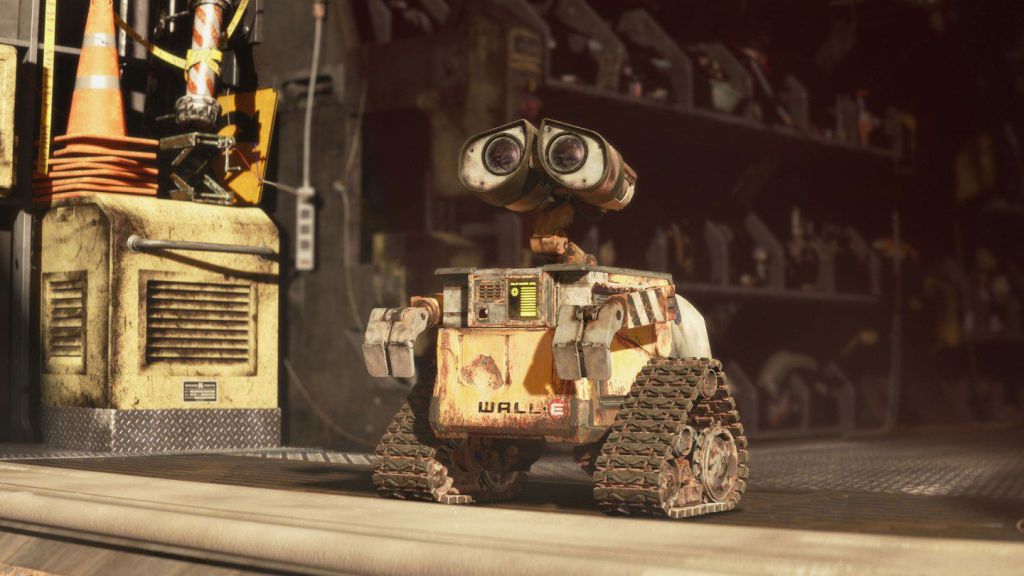
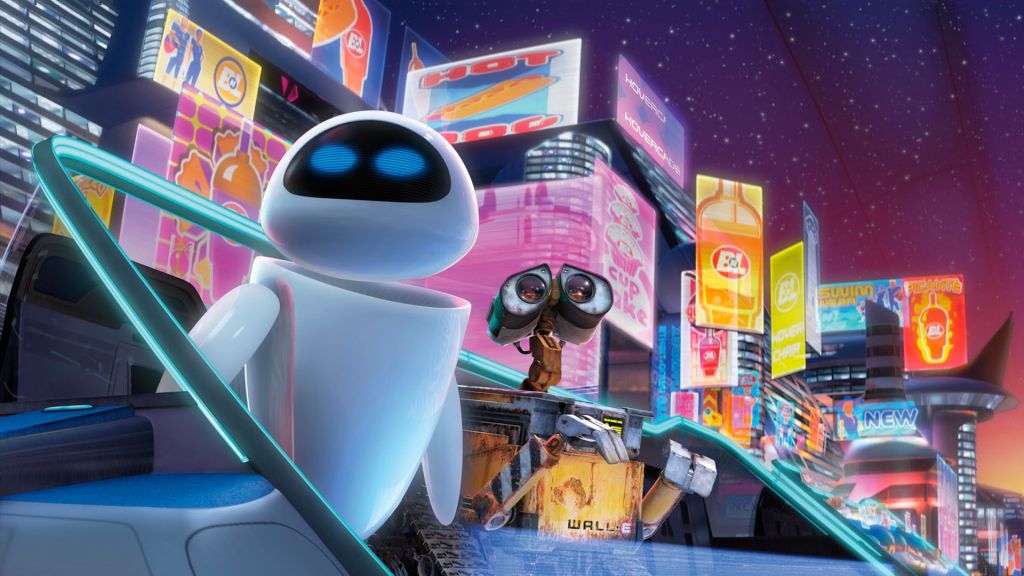
The next film Stanton co-wrote and directed was WALL-E (2008), which took place on an abandoned Planet Earth in the year 2805 and followed a garbage-cleaning robot named WALL-E (vocally brought to life by sound designer Ben Burtt of R2-D2 fame) who falls in love with another robot named EVE. The character of WALL-E was actually conceived by Stanton along with John Lasseter, Pete Docter and Joe Ranft back in 1994 while they were brainstorming ideas for movies to make after Toy Story. That was when they came up with the ideas for a movie about insects (A Bug’s Life), a movie about monsters (Monsters, Inc.) and a movie about fish (Finding Nemo) but the idea of a robot left behind by humans on a future Earth stayed with Stanton because he felt there was something appealing about the story.
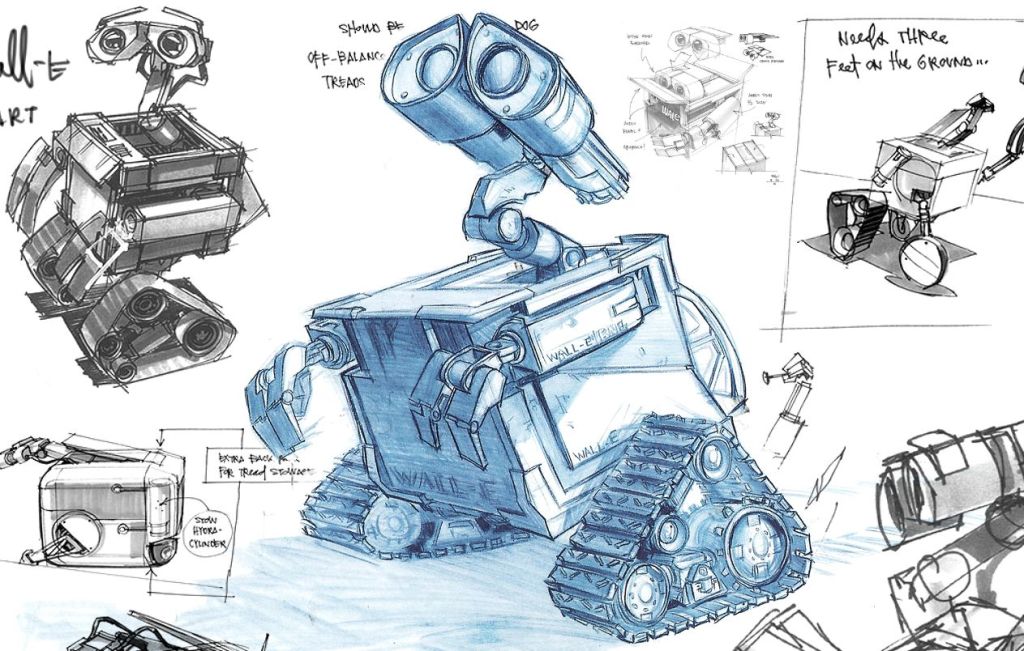
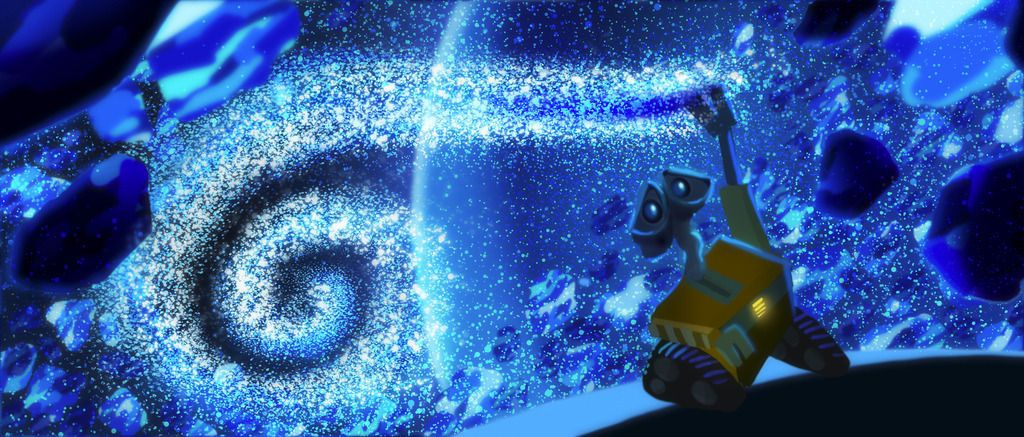
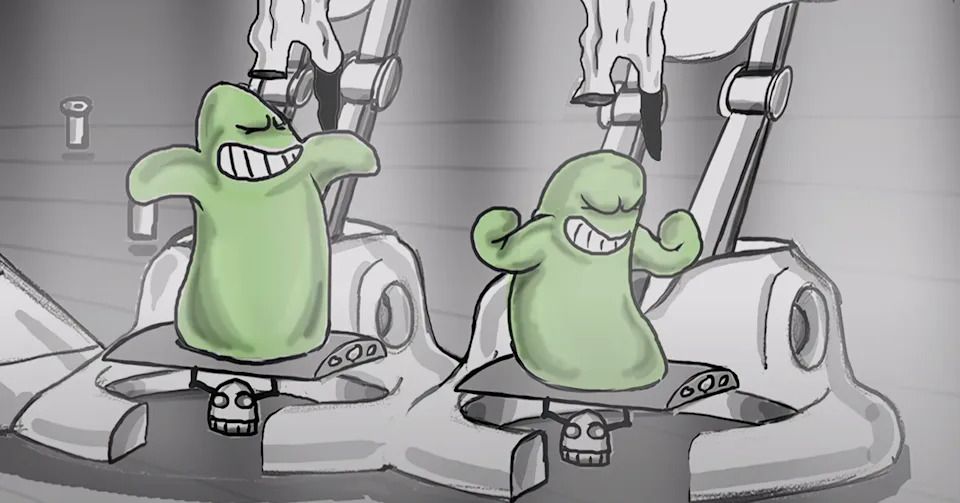
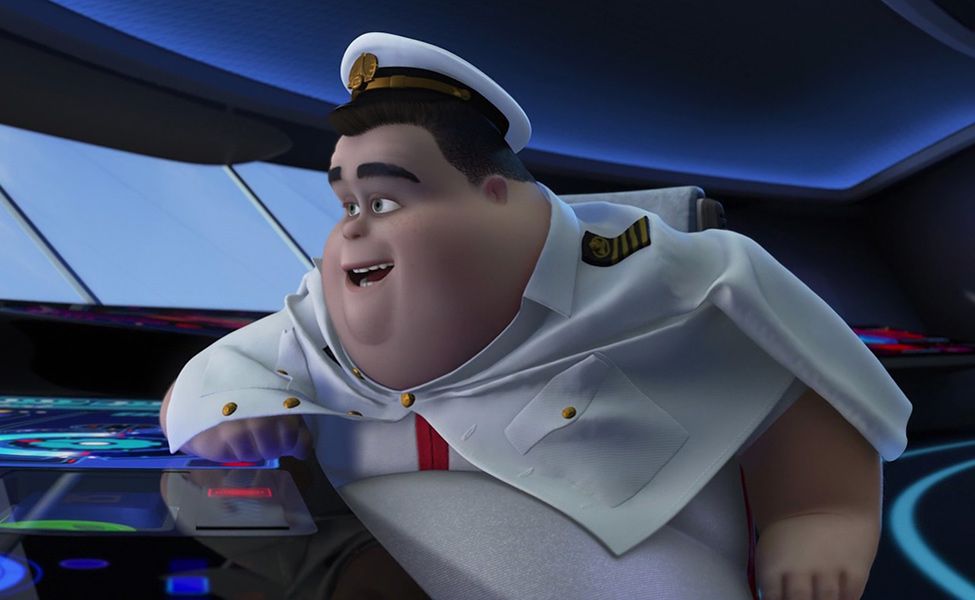
The movie was originally called Trash Planet and Docter and Stanton tried and failed to crack the story in the nineties before Docter moved on to Monsters and Stanton moved on to Nemo, but while finishing Nemo in 2002, Stanton took another crack at developing the concept, which is when the ideas for plot elements like EVE, the plant sprout and a spaceship full of humans were conceived. The film, which had a memorable message and a clear commentary about humanity and the environment, became one of the most popular films ever made, and just like Finding Nemo, it received both critical and commercial acclaim as well as the Oscar for Best Animated Feature Film that year. It also received the two highest honors an American film can receive by being selected for preservation in the National Film Registry and by entering the Criterion Collection, becoming one of that collection’s few Disney films.
Andrew Stanton, whose favorite genre is science fiction (his favorite films include Star Wars, Blade Runner and Aliens) stayed in that genre for his next feature film following WALL-E, which would be his first live-action film (although it still utilized a lot of animation). John Carter (2012), based on the 1912 Edgar Rice Burroughs story A Princess of Mars, was being developed in Hollywood for decades, with animators Bob Clampett and Ray Harryhausen both expressing interest in making animated feature films (Edgar Rice Burroughs was an animation fan so it almost happened, but it could never get to the finish line of the development process). Stanton had always been a fan of the book series and after proving himself with two back-to-back Pixar hits and pitching the film as “Indiana Jones on Mars,” he successfully lobbied for Disney to acquire the rights (or reacquire them, since they had gained and lost them back in the eighties), in spite of Disney’s skepticism due to a confusing screenplay, a lack of big-name stars and Stanton having never directed a live-action film before.
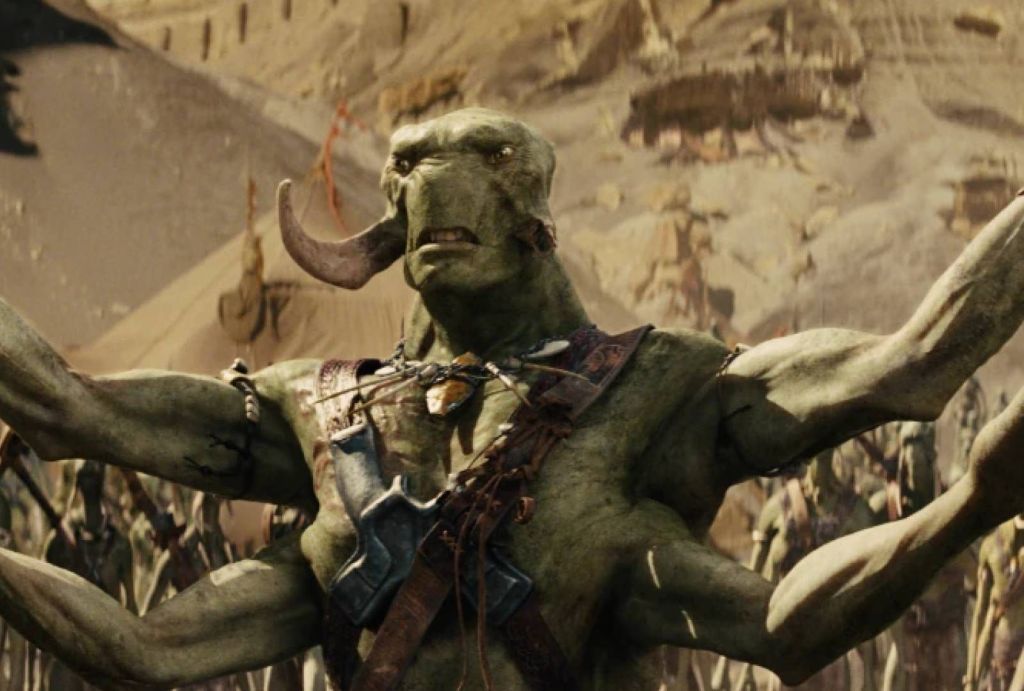
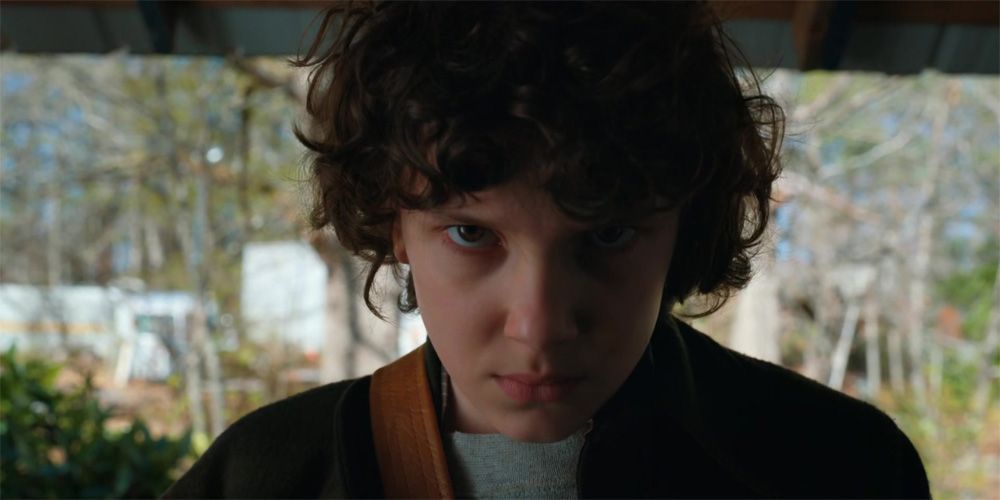
Friday Night Lights star Taylor Kitsch played the lead role of a Confederate soldier transported to Barsoom to settle a civil war between two kingdoms. Despite Stanton never working in live action before, the fact that he was such a passionate fan of the books definitely made bringing the film to life easier. Stanton also had plans to adapt the books The Gods of Mars and The Warlords of Mars and create a film trilogy if the first film was successful. Unfortunately it was not. Weak writing led to mixed reviews and unsuccessful marketing led to empty seats, despite many praising the action scenes, music and visuals, all elements which made the film massively expensive and one of the biggest flops in Hollywood history. Although like I said, reviews were mixed, so the film does have its fervent fans. Despite John Carter‘s poor reception, Stanton continued to work in live action, directing episodes of Stranger Things, Better Call Saul, Legion, Tales from the Loop, For All Mankind and 3 Body Problem, in addition to writing “Part V” and “Part VI” of the Disney+ series Obi-Wan Kenobi. On the appeal of live-action filmmaking, Stanton has said that it is more spontaneous and quicker to bring to life than animation and he plans to continue working in live action in the future.
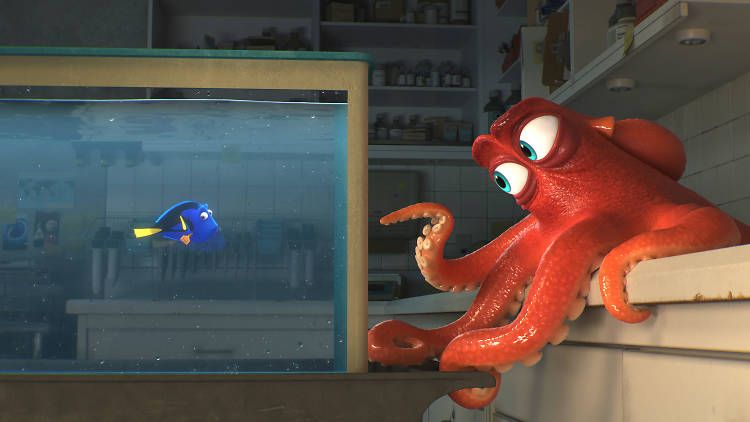
Back at Pixar, Stanton directed a sequel to Finding Nemo called Finding Dory (2016) which told Dory’s origin story and followed her on a journey to find her parents, and he co-wrote the stories for Toy Story 3 (2010) and Toy Story 4 (2019), which he secretly wrote a draft for while Toy Story 3 was still in production and which he reportedly had to convince Josh Cooley to direct, since, like many people, Cooley thought Toy Story 3 had the perfect ending. All three of these films received widespread praise from critics and audiences.
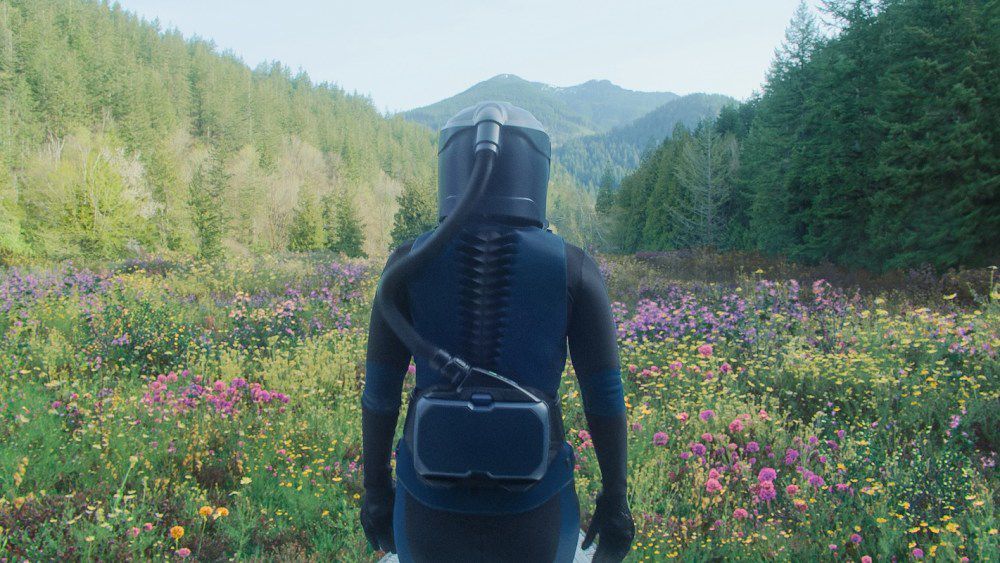
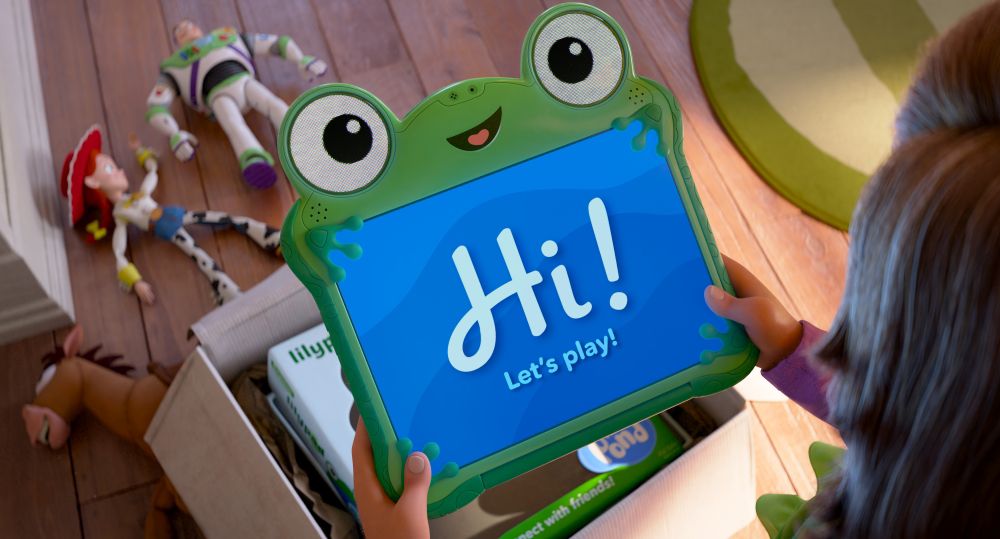
After years of mostly directing television and executive producing Pixar films, Stanton has two new films coming out in 2026. In the Blink of an Eye is a sci-fi drama that recently premiered at Sundance and is the first film that Stanton directed and did not also write. I have not seen it but according to the descriptions I’ve read, it apparently tells three interconnected stories about the history of the world and stars Kate McKinnon, Rashida Jones and Daveed Diggs. Disney distributed the film through Searchlight Pictures and plans to release it on Hulu a month after its Sundance debut. The other film he is directing in 2026 is Pixar’s Toy Story 5, which will be his first solo effort as both a writer and a director. I think most people who are hired to write and direct a Toy Story film after four great Toy Story films in a row would feel enormous pressure, but Stanton is also probably the most qualified person for that job since he understands the characters in those films more than anyone who currently works at Pixar. Needless to say, I am interested in seeing how he does on that film and on all his future big screen directorial efforts.