New Posts (Home)
 ChatBox
 Popular Posts
  Game Zone
 Top PodCasts


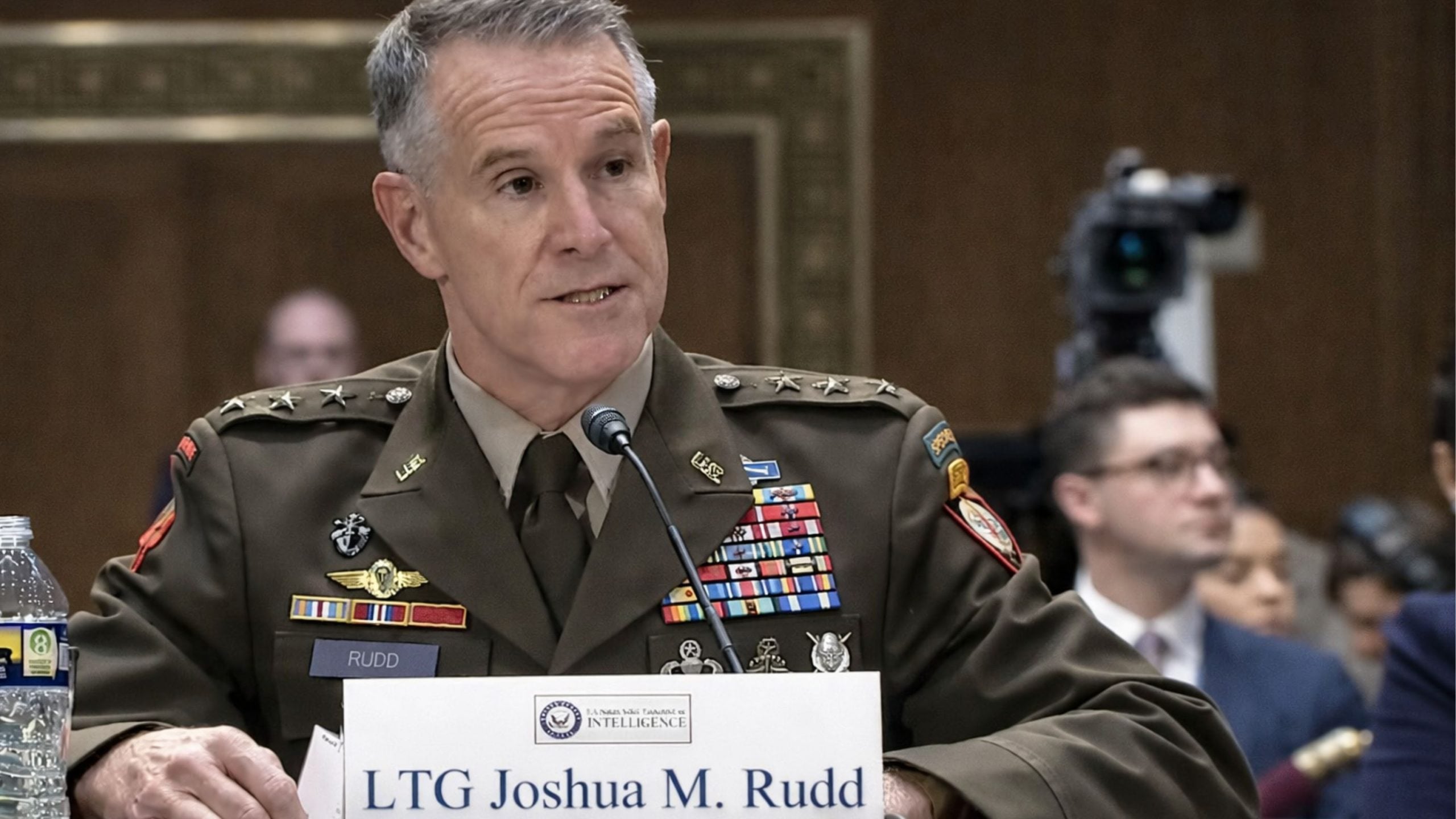
Lt. Gen. Joshua Rudd, nominated by President Donald Trump to lead both the National Security Agency and US Cyber Command, defended a major foreign surveillance power during his Senate Intelligence Committee confirmation hearing on Thursday.
His testimony focused on Section 702 of the Foreign Intelligence Surveillance Act, a program that permits the government to collect digital communications of foreign targets but also captures information from Americans along the way.
Rudd described the authority as a key element of national defense. “It’s indispensable. I know it’s been critical to mission outcomes, protection of our men and women in harm’s way, and I know it’s saved lives in the homeland,” he told senators.
He added that if confirmed, he would “do everything I can to provide the best advice as we look to reauthorize or extend this authority.”
The law gives intelligence agencies access to communications from US technology firms when monitoring suspected foreign threats.
Although it is meant to focus on overseas targets, the system often gathers data from people inside the United States who happen to interact with those targets. American citizens have been surveilled countless times because of this. That overlap has raised serious concerns about warrantless searches and the scale of incidental domestic surveillance.
Section 702 is scheduled to expire on April 19.
Congress reauthorized the program in 2024 after a last-minute standoff, but no renewal proposal has been introduced this time.
Some administration officials, including Director of National Intelligence Tulsi Gabbard, have criticized the surveillance power, (at least, to an extent) while President Trump himself has accused it of being misused against his 2016 campaign.
Lawmakers familiar with current discussions say the president’s decision will ultimately determine whether the program continues.
During the hearing, Sen. Ron Wyden (D-OR) asked whether Rudd believed a warrant should be required to search the Section 702 database for information about Americans, except in emergencies.
Rudd replied that he would need to study the issue further before giving a complete answer, though he said he has “supreme confidence that the men and women of the NSA are committed to protecting civil liberties.”
Sen. Mark Kelly (D-AZ) followed by asking why a law dating back to the 1970s still matters to ordinary Americans. Rudd answered, “In my experience, quite simply, it saves lives.”
Section 702 continues to illustrate how surveillance tools built for foreign intelligence can affect domestic privacy. The framework relies largely on internal oversight rather than independent judicial review, leaving citizens with limited visibility into how their data is used once it enters government systems.
After the hearing, the Senate Armed Services Committee approved Rudd’s nomination in a closed session.
The Intelligence Committee is expected to vote next week, setting up a possible full Senate confirmation before February 6, when acting NSA and Cyber Command leader Lt. Gen. William Hartman is scheduled to retire.