New Posts (Home)
 ChatBox
 Popular Posts
  Game Zone
 Top PodCasts


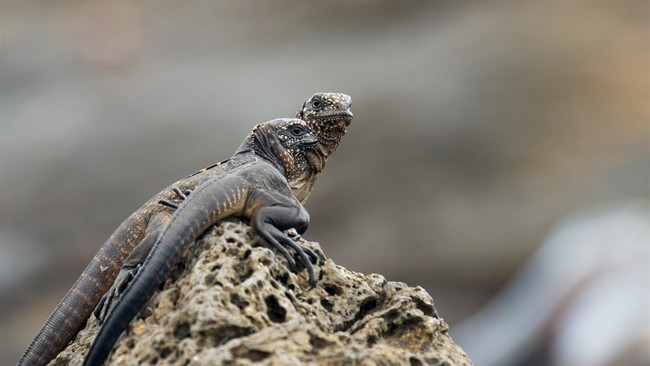
When Winter Finally Shows Up in Florida
Winter in Florida rarely forces anyone to rethink daily life; snow stays where it should, and cold mornings usually fade by lunchtime. Late January and early February broke that pattern.
Advertisement
Temperatures across South Florida dropped into the 30s and 40s for consecutive nights. We as humans are adaptable; we complain, layer up, and wait it out.
Green iguanas, though, reacted with far more drama.
Why Green Iguanas Became a Problem Long Ago
The exotic pet trade introduced green iguanas in Florida decades ago. Escaped animals and international releases allowed the breeding population to explode; warm weather, abundant food, and few natural predators turned neighborhoods into ideal habitats. It didn't take long for iguanas to damage seawalls, undermine foundations, strip native vegetation, displace birds, and spread salmonella. Every routine control effort couldn't keep up with the population growth.
Cold Temperatures Trigger a Sudden Shutdown
Being a reptile, green iguanas are cold-blooded, so when temperatures fall below about 50 ºF, their bodies enter a state of lethargy. Muscles stiffen, and grips weaken to the point that they lose the ability to cling to branches and often fall to the ground. Although many appear dead, once they warm up, they recover.
The recent freeze created a window where thousands of iguanas became immobile at once.
The State Moves Quickly With Executive Action
Advertisement
The Florida Fish and Wildlife Conservation Commission moved fast, authorizing Executive Order 26-03 on January 30. The order temporarily waived permit requirements for possessing and transporting live green iguanas. Florida residents are allowed to collect cold-stunned iguanas without fines and deliver them to designated drop-off sites for humane euthanasia or lawful transfer.
Drop-Off Sites and the Scale of the Response
Drop-off locations opened in Tequesta, Sunshine, Marathon, Fort Myers, and Lakeland, and within two days, Floridians responded in force, submitting nearly 5,200 iguanas.
One site processed over 1,000 critters in a single day. Palm Beach County park crews collected hundreds of iguanas; licensed pest control teams, including Redline Iguana Removal, hauled in dozens more, while temperatures remained low.
What Happens After the Window Closes
The executive order quickly expired, and FWC stopped accepting live iguanas once temperatures rose, reverting to normal rules. Once again, transportation of green iguanas requires permits, and landowners can still humanely kill iguanas year-round on private property without a license. Public collections only work under rare conditions, such as extended cold snaps.
Advertisement
Why the Cold Snap Only Helps So Much
A single freeze doesn't solve Florida's iguana problem. Once they warm up, survivors recover fast, breeding resumes, and numbers rebound.
Wildlife officials describe the event as a unique opportunity, not a cure. Large-scale reductions require repeated action, property owner participation, and continued enforcement. The cold simply temporarily thins the herd.
A Short Advantage in a Long Fight
Florida faces a myriad of problems that most states don't: hurricanes and pythons, for example. Frozen, falling iguanas simply joined the list of unusual realities.
The freeze provided a narrow advantage that the state and residents seized. Warm weather returned, and iguanas climbed back into the trees. The underlying problem remains, but Florida proved something important: When opportunity appears, fast action and public cooperation still matter.
Invasive species management rewards decisiveness, not endless debate. Florida’s response showed how apparent authority and public participation can produce real results during narrow windows. PJ Media VIP supports reporting that focuses on practical solutions instead of performative noise. If outcomes still matter, support independent voices willing to look at what works. Join VIP for 60% off.