New Posts (Home)
 ChatBox
 Popular Posts
  Game Zone
 Top PodCasts

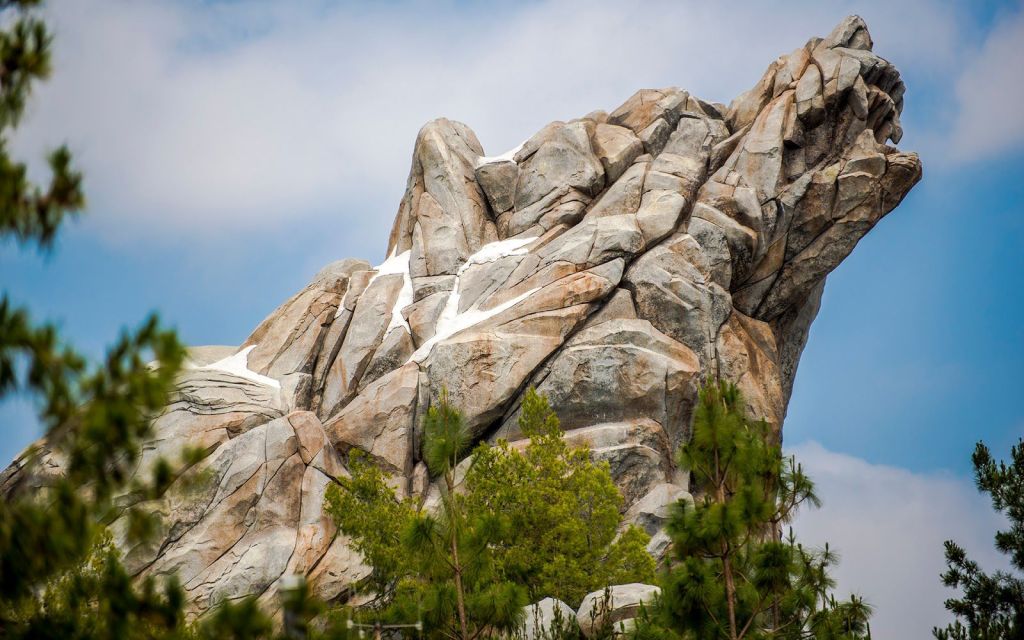
When I first heard that Disney built a new theme park called Disney’s California Adventure back in 2001, I thought “Oh good, another theme park I’m too broke to be able to visit.” But looking back at that moment as an adult my question is “Where did Disney even get the land required to build a whole new theme park and why did it take 40 years after the opening of Disneyland for it to finally happen?” The answer? The piece of land that became the construction site of Disney’s California Adventure was actually a piece of land that Disney already owned: the Disneyland parking lot (at least nature preservationists didn’t have to worry about MORE land destruction).
The idea behind creating a new California theme park was for Disney to borrow their successful multi-park resort strategy from Florida (home to the Magic Kingdom, Epcot, Disney’s Hollywood Studios and Disney’s Animal Kingdom). They had actually planned to do this back in 1991 when an idea was proposed to bring an Epcot-like park to California called WestCot, which eventually got abandoned due to financial complications.
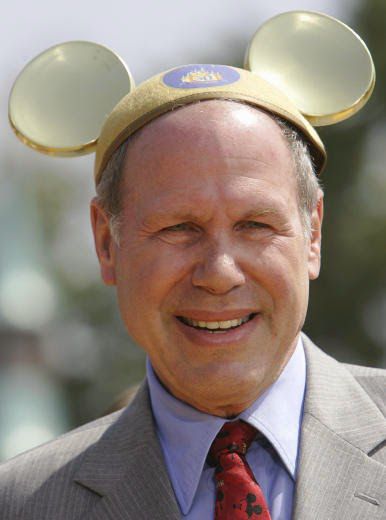
In 1995, Disney CEO Michael Eisner held a meeting with other Disney executives to come up with an idea for a new theme park at the Disneyland Resort. They landed on the idea of a more adult-oriented park (to differentiate it from Disneyland) that celebrates the history and culture of the state of California, the idea being to appeal more to California tourists than California residents. The target opening date for the new park was 2001, which was a busy year for Disney because that was also when they were planning to open both Downtown Disney and Disney’s Grand Californian Hotel.
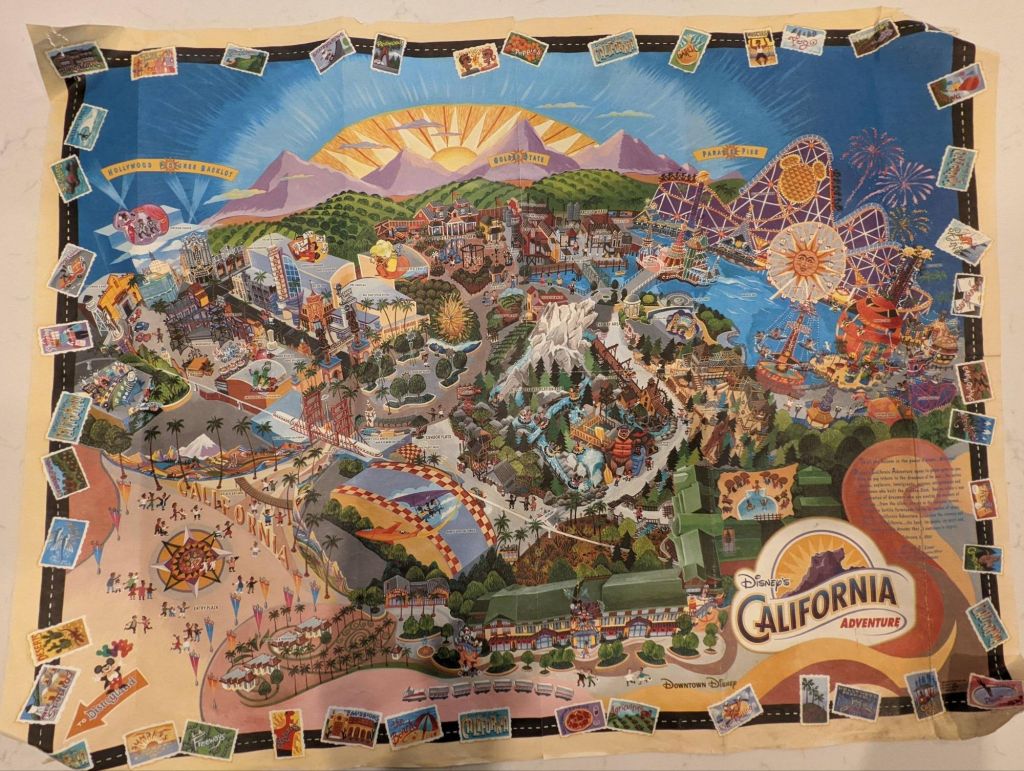
When Disney’s California Adventure finally opened on February 8th, 2001, it was divided into four main areas: Sunshine Plaza, Hollywood Pictures Backlot, Paradise Pier and Golden State.
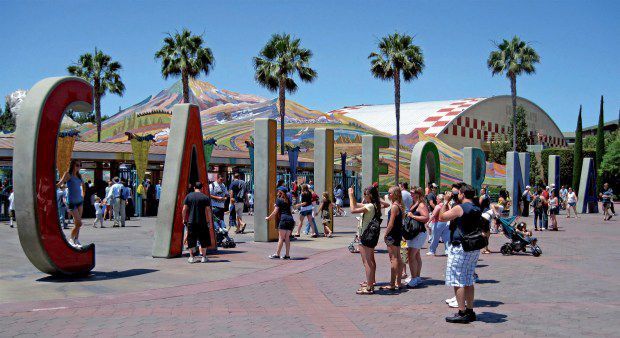
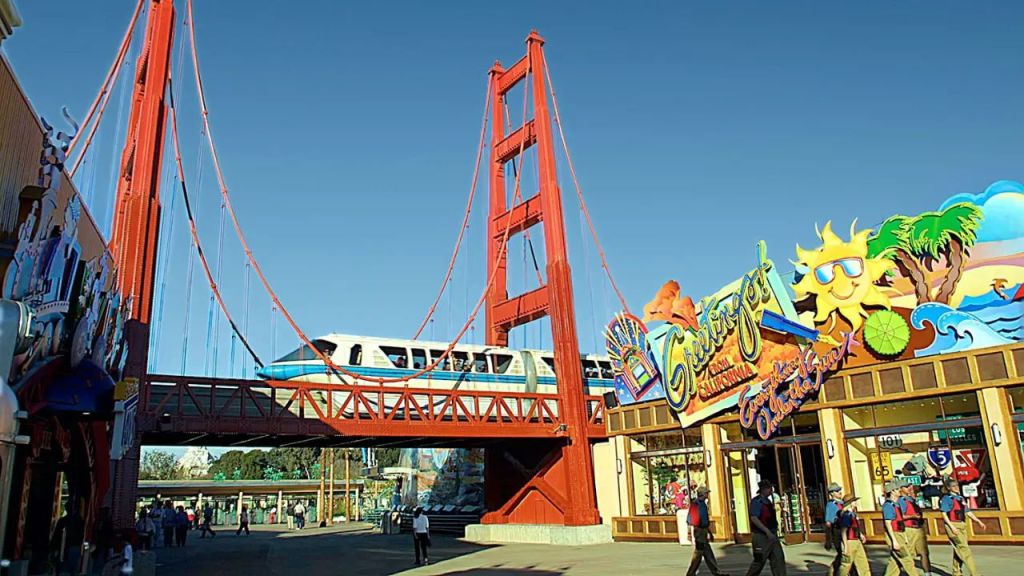
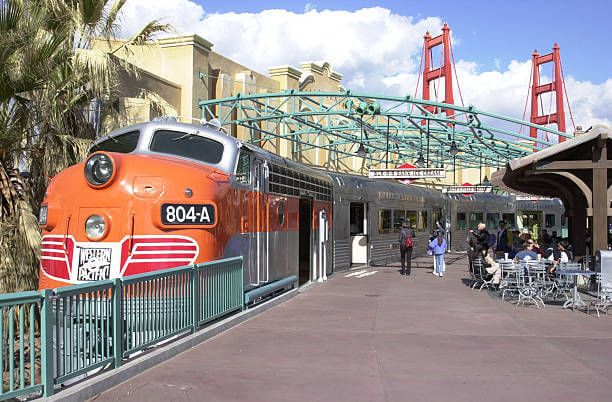
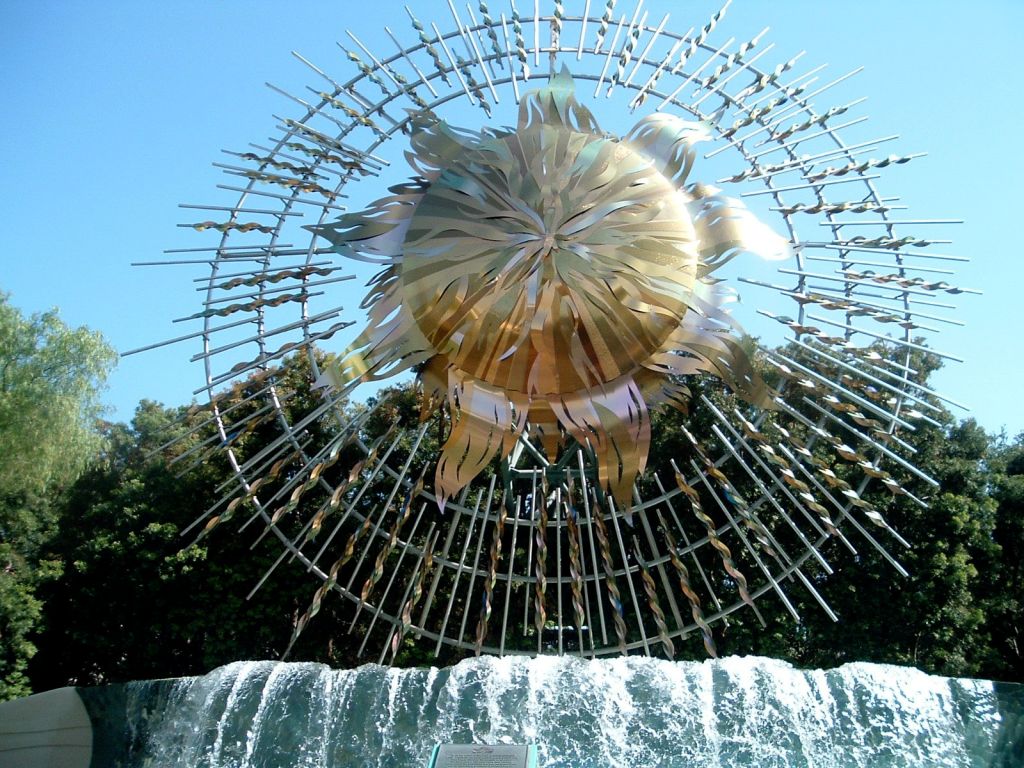
Sunshine Plaza was California Adventure’s version of Main Street, U.S.A.: the shopping and eating area that greeted you at the park’s entrance. Its initial aesthetic was like a California postcard come to life, complete with Golden Gate Bridge model, Mission Revival-style railroad and giant metallic sun. And if the heat from the sun is ever too much for visitors, they can always cool down by grabbing dessert at Bur-r-r Bank Ice Cream.
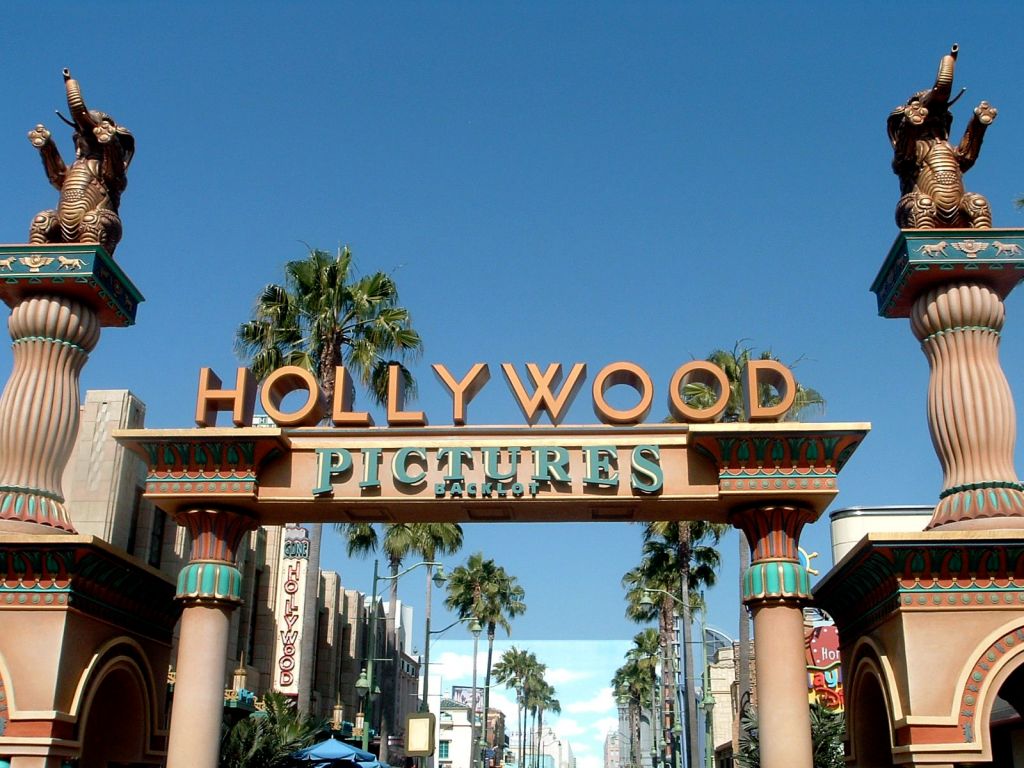
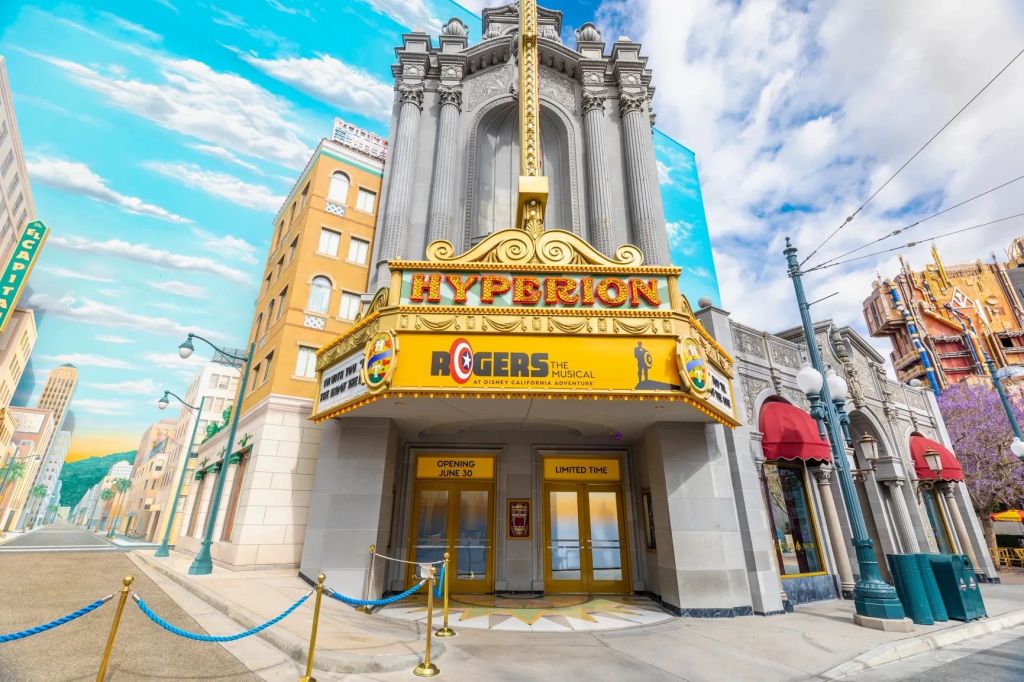
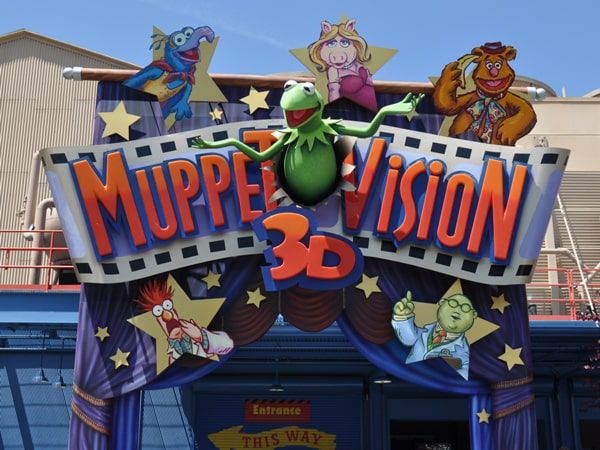
Hollywood Pictures Backlot was inspired by Golden Age Hollywood of the 1930s, and in true homage to the spectacle of a D.W. Griffith epic, it had towering gates, columns and elephant statues. As you would expect, this is where the movie-themed attractions were, including the 2,000-seat Hyperion Theater which showcased the Mary Poppins-themed live stage show Steps in Time as its opening day attraction, later replaced by The Power of Blast! (2001-02) which originally ran at the American Adventure area in Epcot’s World Showcase months earlier, Aladdin: A Musical Spectacular (2003-16), Frozen: Live at the Hyperion (2016-20) and briefly the Captain America-themed Rogers: The Musical (2023) from the Disney+ series Hawkeye. This area also had the Disney Animation Building, which was similar to the Magic of Disney Animation attraction at Disney’s Hollywood Studios in Walt Disney World, along with other attractions that originally made their debut in Florida like Muppet*Vision 3D, Who Wants to Be a Millionaire – Play It! and the Twilight Zone Tower of Terror.
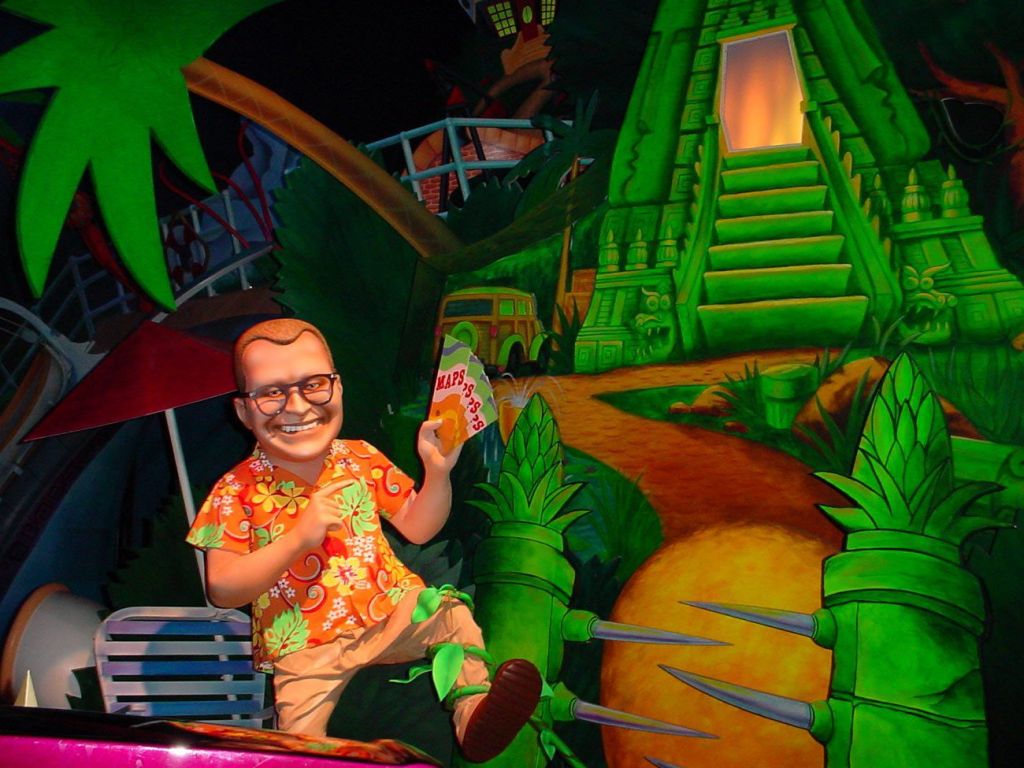
The attraction that was supposed to be Hollywood Pictures Backlot’s main draw was Superstar Limo, which was a dark ride in which you are driven in a limousine while trying to escape the paparazzi on your way to the Chinese Theater to sign a movie deal. The original idea behind that attraction was for it to be high-speed, but it was deemed that that would be in poor taste after the way Princess Diana had recently died, so it was changed into a slower and way more lackluster ride. It was actually so unpopular and poorly received that they closed down the ride in less than a year. The only lasting impact it has among Disney fans is its reputation as one of the worst things Disney ever created (Defunctland did a great job explaining why if you want the exact details).
Paradise Pier, an area inspired by the California Coast, featured a game section that included Boardwalk Bowl (skeeball), Dolphin Derby (a water gun-based racing game), San Joaquin Valley (a basket toss game), Shore Shot (toss the ball though the hoop), Angels in the Outfield (a bottle and baseball tossing game), New Haul Fishery (a fishing game) and Cowheunga Pass (toss the ball into the milk can).
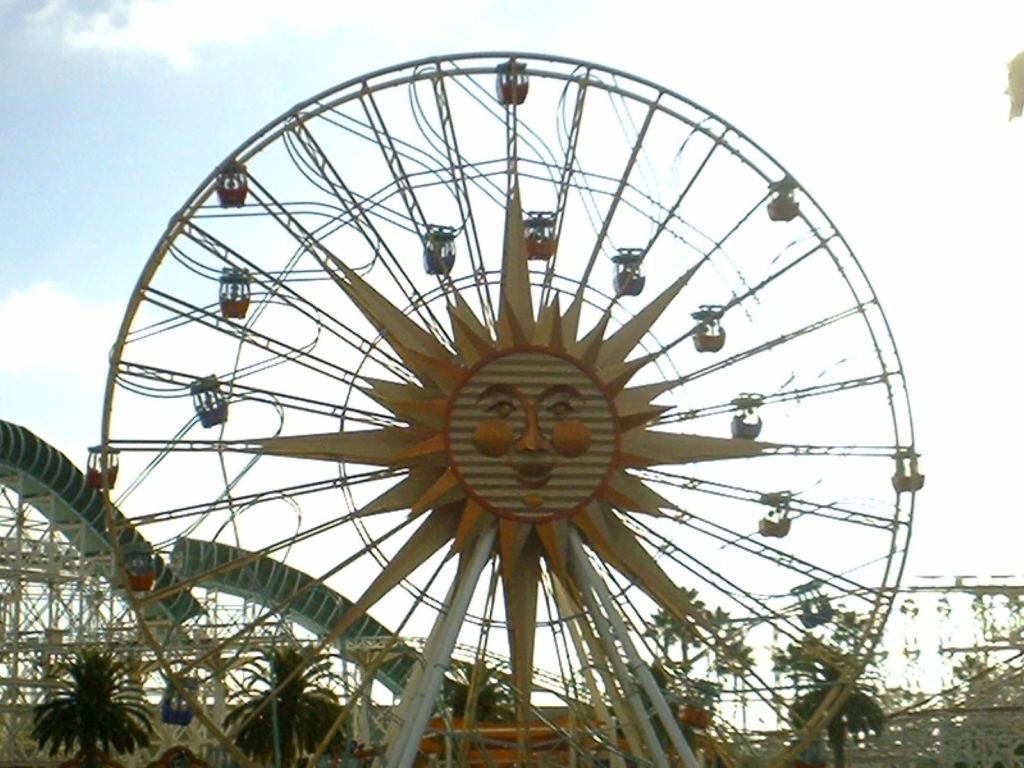
The area was also home to the Ferris wheel known as the Sun Wheel, one of California Adventure’s most popular landmarks.
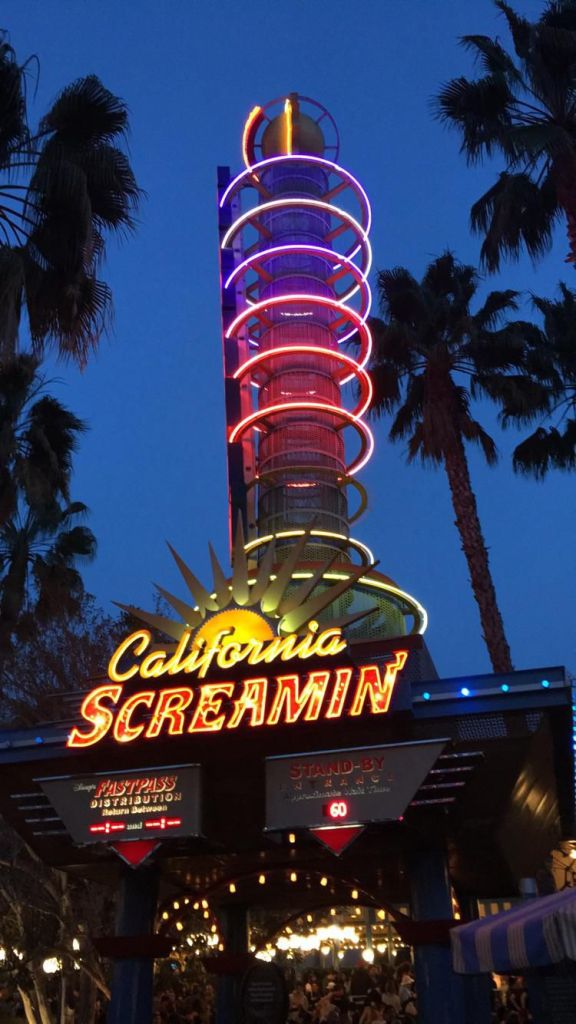
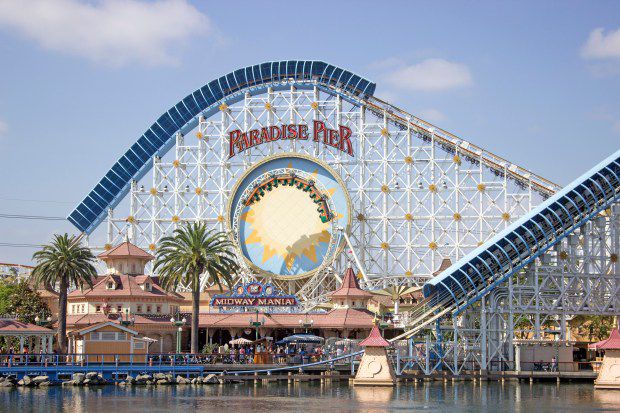
The roller coaster California Screamin’.
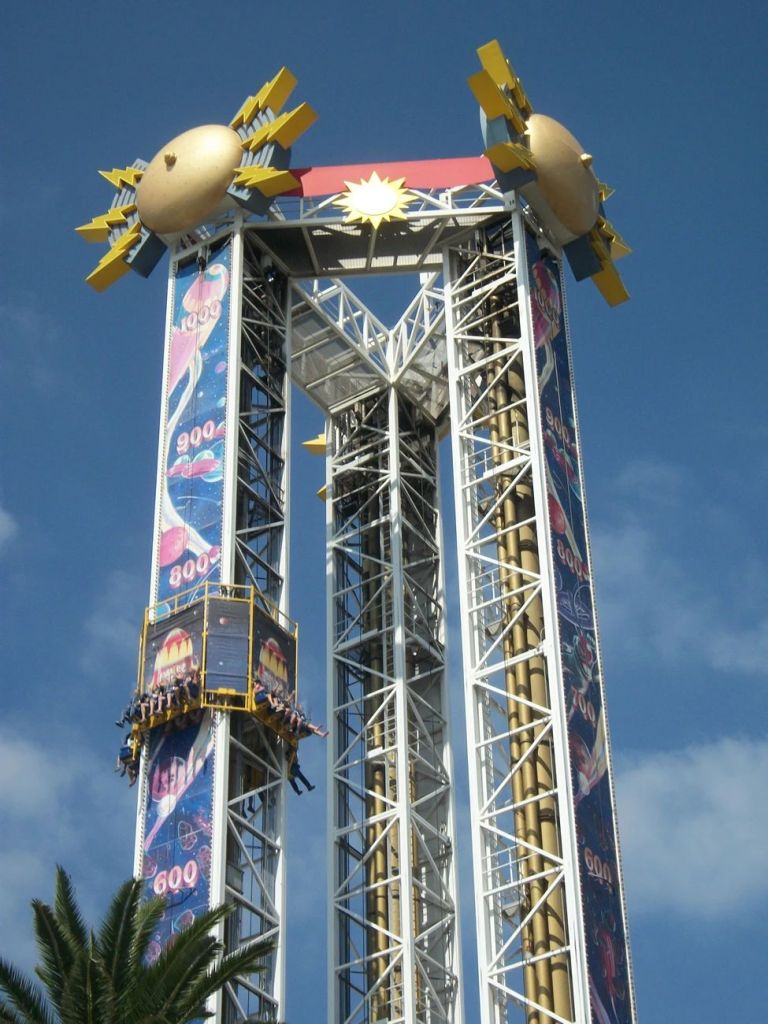
The rocket-style Maliboomer, a reverse drop tower that blasts you into the sky and slowly lowers you back down.
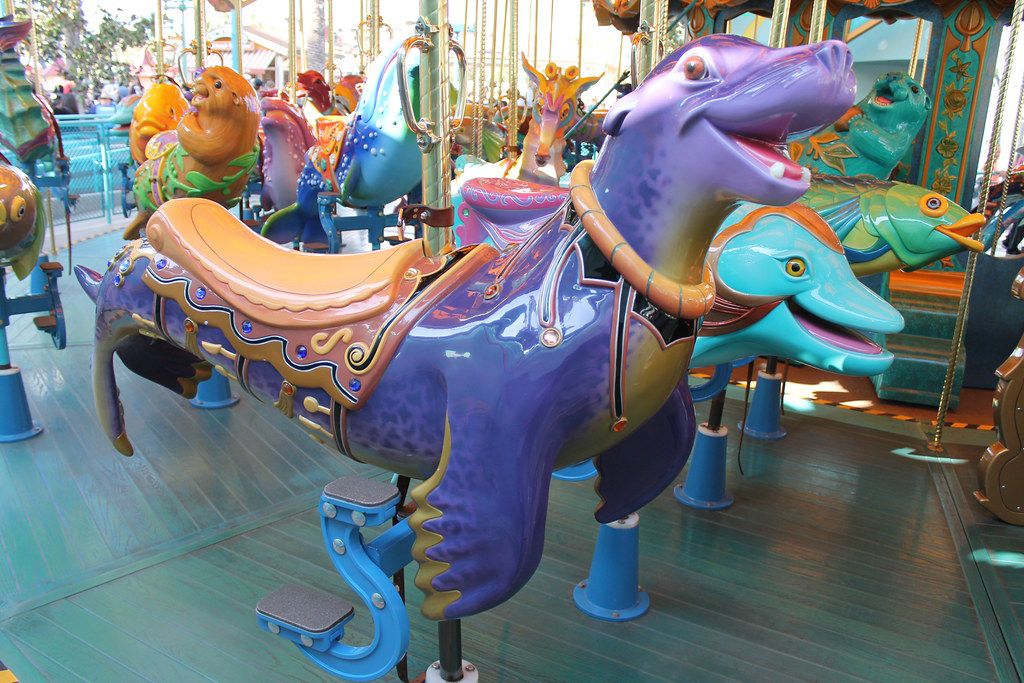
King Triton’s Carousel of the Sea.
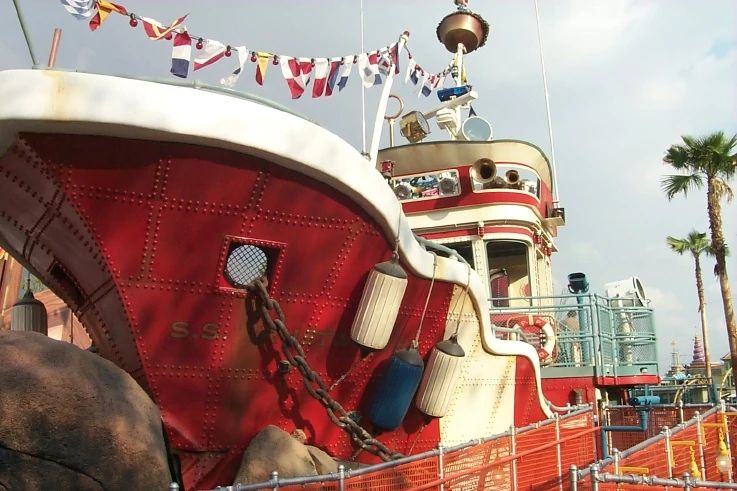
The S.S. Rustworthy (the “T” fell off), which was an interactive play area designed to look like a real boat.
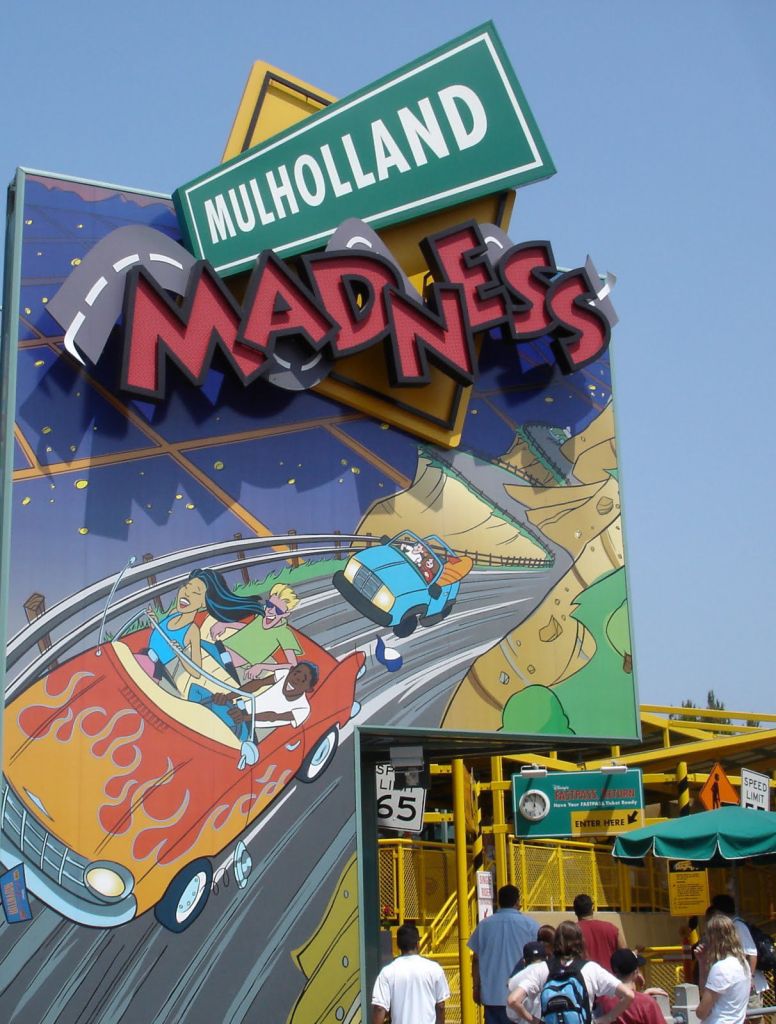
The high-speed rental car-themed attraction Mulholland Madness.
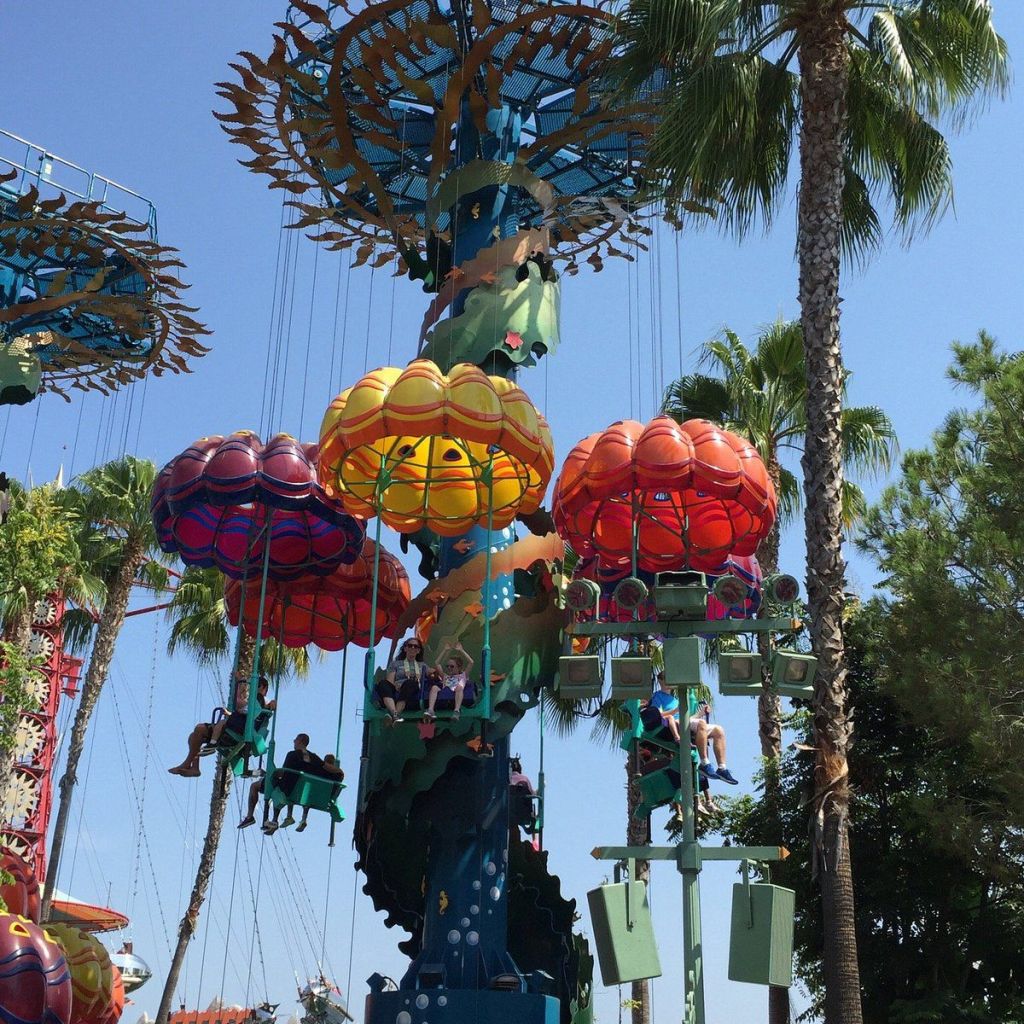
Jumpin’ Jellyfish, which was a less high and less frightening child-friendly version of the Maliboomer (and named after a phrase Sebastian cries in The Little Mermaid).
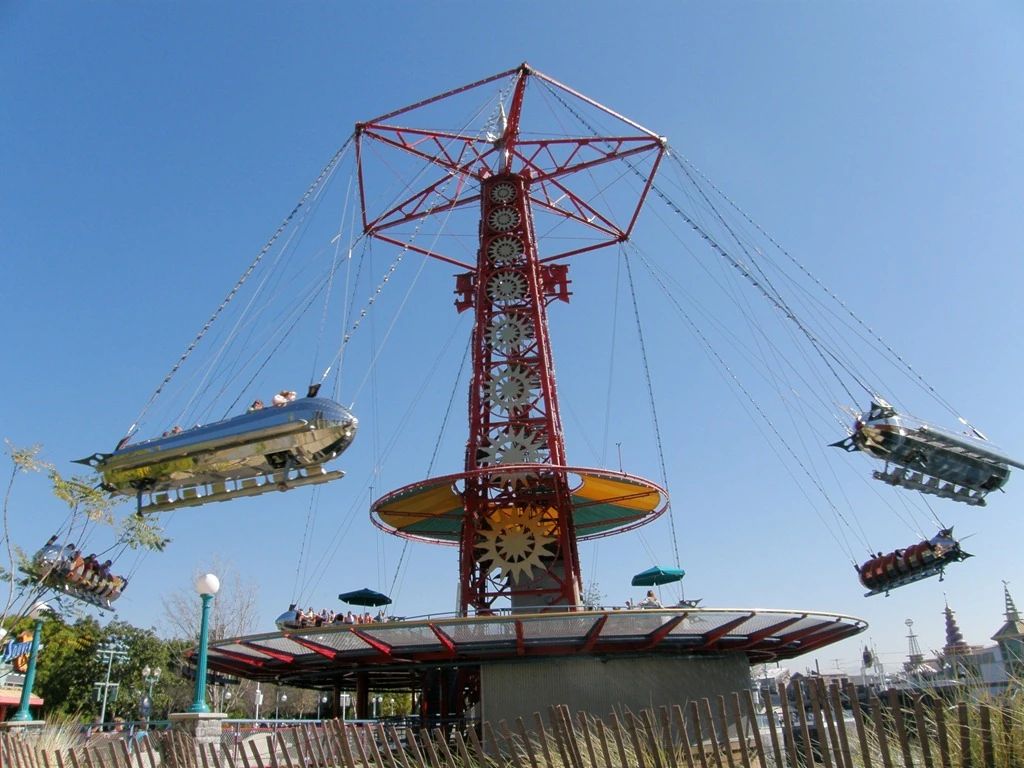
The whirling Golden Zephyr.
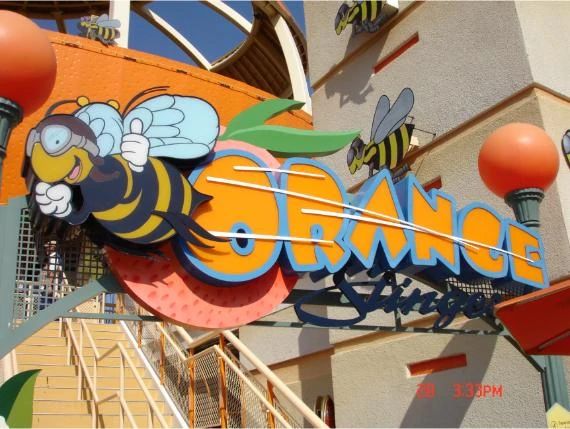
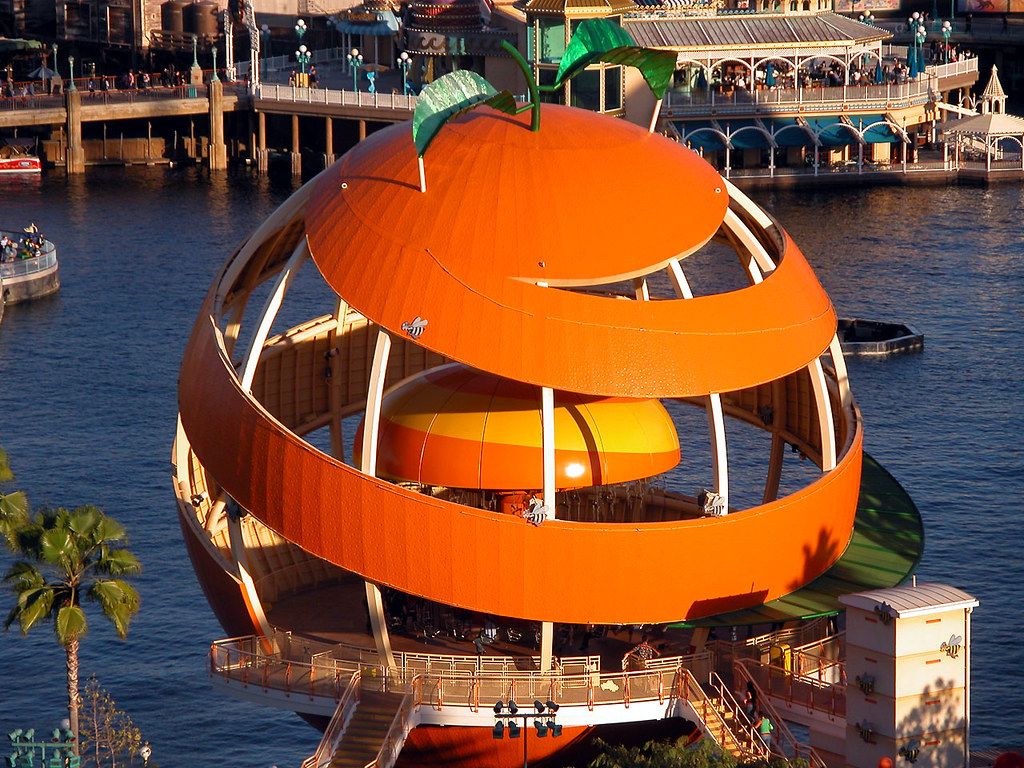
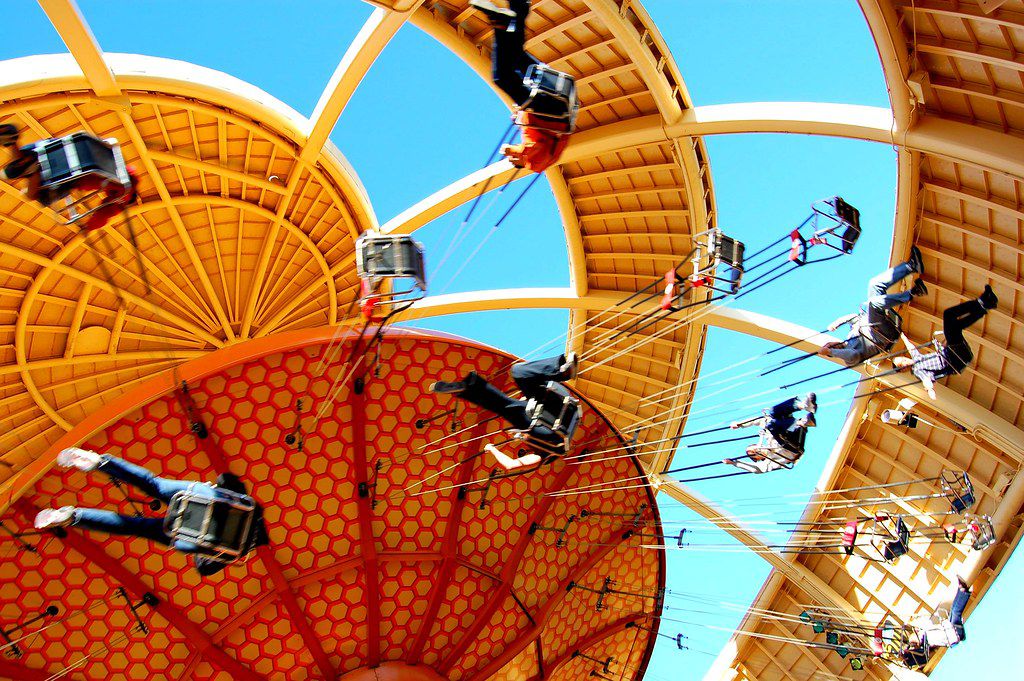
And the Orange Stinger, a giant swing set.
The final fourth area that was a part of California Adventure on its opening day was Golden State, which was divided into six sub-areas themed around California history, including Grizzly Peak (national parks), Condor Flats (aviation), Pacific Wharf (Monterey’s Cannery Row), Bountiful Valley Farm (agriculture), Golden Vine Winery (the wine industry) and the Bay Area (San Francisco).
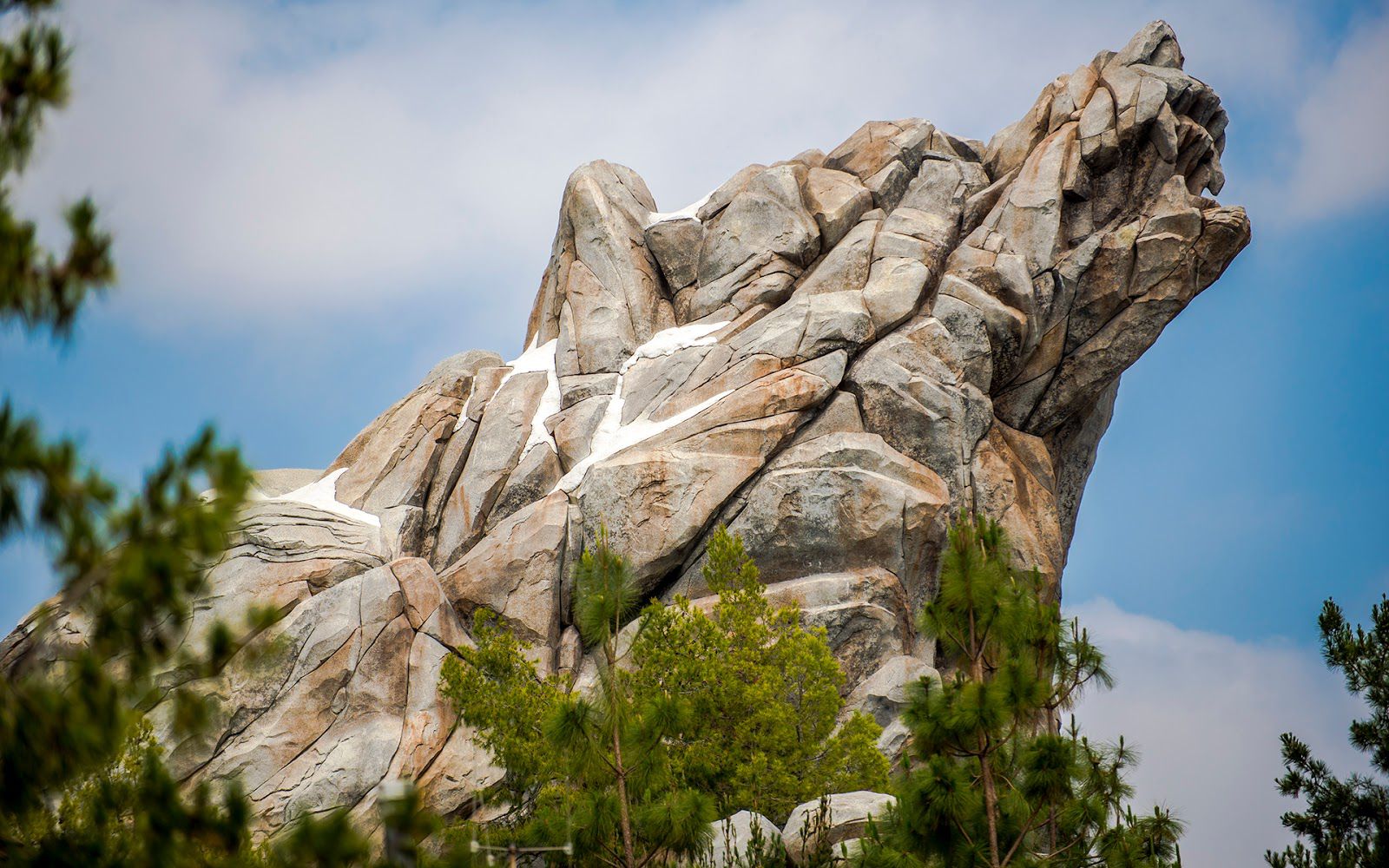
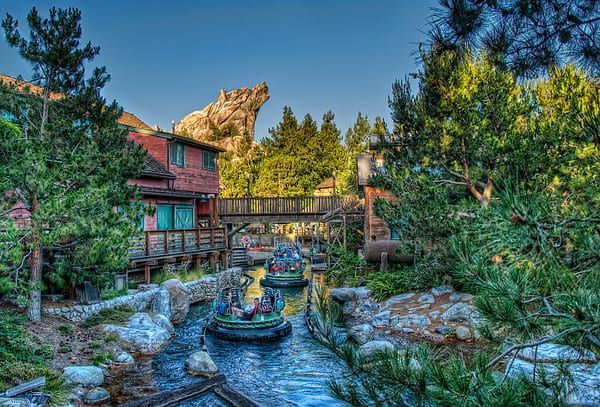
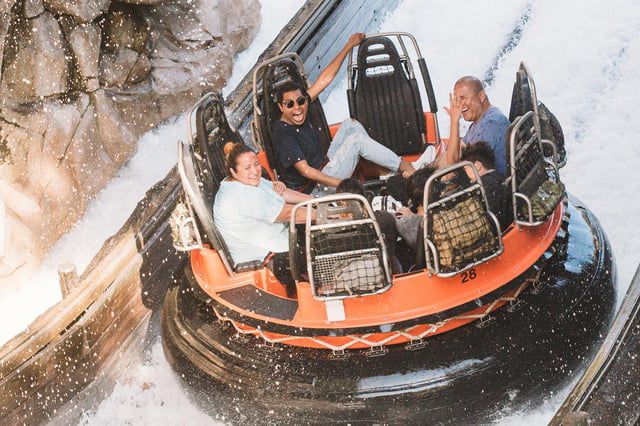
Golden State’s attractions include the river rafting ride Grizzly River Run, whose centerpiece is the bear-shaped mountain of Grizzly Peak, another one of the park’s signature landmarks.
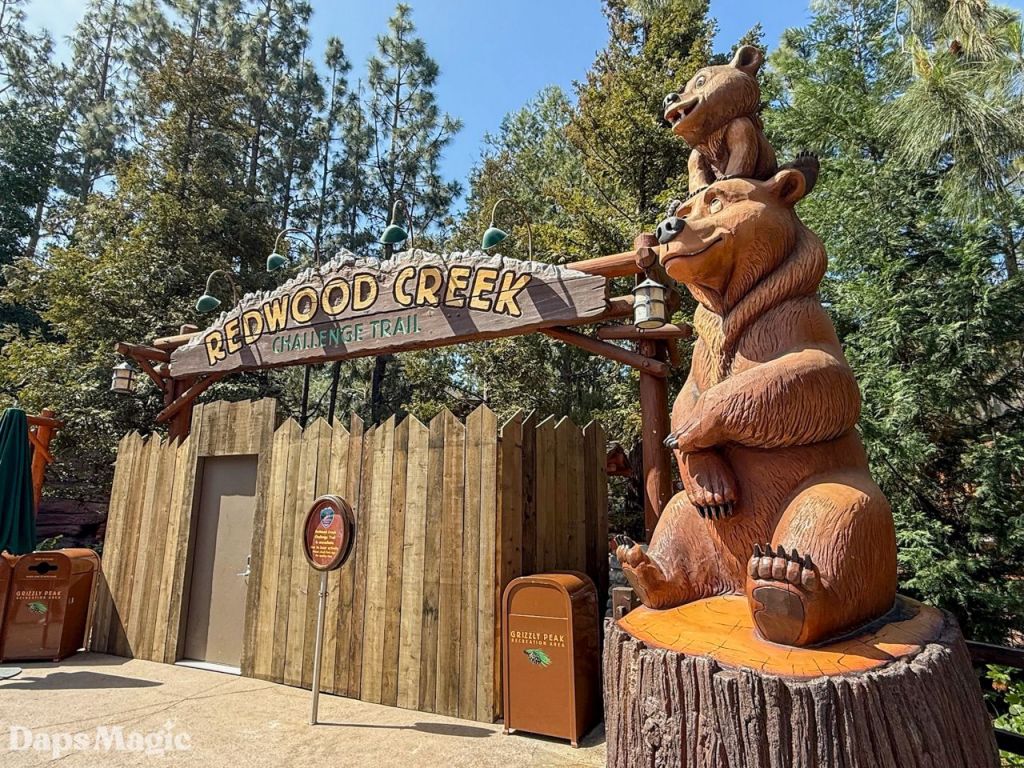
The playground and walkthrough attraction Redwood Creek Challenge Trail.