New Posts (Home)
 ChatBox
 Popular Posts
  Game Zone
 Top PodCasts

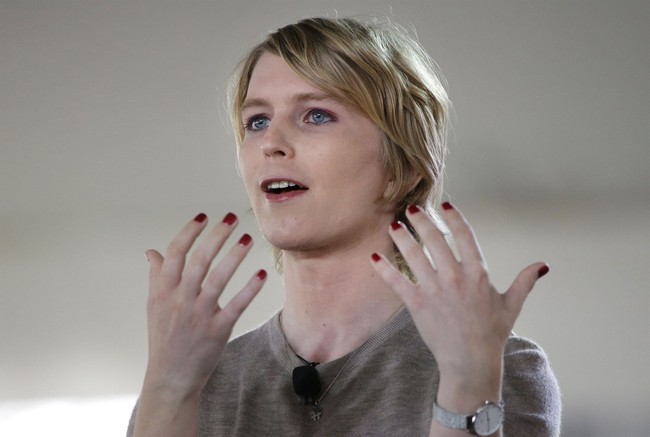
Chelsea Manning served as an Army intelligence analyst, arriving at a forward operating base east of Baghdad in October 2009. His high clearance gave him access to thousands of classified reports on the wars in Iraq and Afghanistan, which made him grow bitter at what he saw.
Advertisement
Manning chose to break his oath and betray his fellow soldiers. On Jan. 10, 2010, he began copying files, burning the data on a CD labeled "Lady Gaga," and smuggling it out during leave.
Once home, he tried to hand the material to major newspapers, but when they showed no interest, he contacted WikiLeaks in February.
On Feb. 18, 2010, Manning sent WikiLeaks a diplomatic cable called "Reykjavik 13." Within hours, WikiLeaks posted the file, a small act that opened the floodgates. Weeks later, the Collateral Murder video arrived, followed by the Afghan and Iraq war logs.
Cablegate dumped over hundreds of thousands of diplomatic messages, with Manning handing over sensitive details on tactics, sources, and operations.
Those massive releases triggered real fury in Washington. Officials called the leaks a grave threat to national security. They warned that enemies now held a roadmap to American operations and that lives were in danger.
Diplomats rushed to repair broken trust with allies who read harsh private opinions about their leaders and policies. Some foreign governments turned cold and cut back on sharing intelligence. Troops and local informants faced sudden danger from the exposure of names and methods.
Informants who helped U.S. forces received death threats. Several went into hiding or relocated to safer areas. Soldiers on the ground reported higher risks because the enemy learned tactics and vulnerabilities straight from the files. Manning handed that information to WikiLeaks without a thought for the American lives or allied partners he put in jeopardy.
Advertisement
Manning started bragging about the downloads to hacker Adrian Lamo in May 2010. Lamo alerted the authorities, resulting in Manning's arrest.
In 2013, he was court-martialed, convicted of most charges, and sentenced to 35 years. Security officials said the punishment matched the scale of his betrayal.
Sixteen years later, the damage from Manning's betrayal still hits hard; the leaks handed enemies a roadmap to American tactics and operations. Taliban fighters combed through the files and targeted locals who helped U.S. forces, putting informants in sudden danger. Many received death threats and had to move.
Diplomats scrambled as allies read the hard private assessments of their leaders, but foreign officials grew far more cautious about sharing secrets with American contacts. The leaks slowed intelligence, taking years to rebuild.
In testimony at Manning’s hearing on Monday, Patrick Kennedy, the State Department’s under secretary of management, said that in 2011 the department had conducted a draft assessment of the damage Manning caused, but never finalized the report. Kennedy also said a department-wide assessment was never done and that there was no indication there would be because, he said, “the damage continues to roll on.”
The main impact of the leaks, he said, has been a “chilling effect” on foreign officials’ willingness to talk as freely with U.S. diplomats as they had before, according to a transcript of the testimony provided by the Press Freedom Foundation.
The leaks forced government agencies to pour massive resources into insider threat programs. The military and intelligence began monitoring their own personnel with more advanced tools. Low-level analysts now face constant scrutiny because one traitor showed how easy it was to steal and dump huge troves of data.
When the judge, Col. Denise Lind, asked for more details on how widespread the effect was, Kennedy said there were a “relatively small number of people actually expressing it,” but added that these “feelings” began around 2010 and persist today.
It is “impossible to know what someone is not sharing with you, and that is, in itself, I believe, a risk to national security,” he added.
Advertisement
That chilling effect still lingers across the entire system.
The initial official response was that the release of State Department cables – internal communications between officials with candid assessments of international situations and even individual leaders’ personalities – would be so debilitating to foreign relations that repair would take decades.
In reality, the cables were more embarrassing than destructive. A political uproar met the news that the U.S. and its purported ally Pakistan were working at cross-purposes: American forces were trying to fight against the Taliban and al-Qaida, while Pakistan was trying to offer them protection and even weapons. But overall, it didn’t significantly increase the existing tensions in American-Pakistani relations. Other foreign officials may have become more wary of sharing information with Americans, but over time, new people enter key posts, the leak is forgotten, and business continues as it has always done.
In January 2017, former President Barack Obama highlighted his terrible judgment by commuting most of Manning's 35-year sentence. Obama allowed the convicted traitor to walk free after only seven years behind bars.
His weak decision told every future leaker they might get a break if the political winds were correctly aligned. Barry put his own legacy ahead of keeping the nation safe.
Today, Manning lives in Brooklyn, working as a speaker and security consultant, cashing in on his treason with paid gigs where he lectures on privacy and AI ethics. The man defied federal courts by refusing to testify and was sent back to prison.
Advertisement
Manning shows zero remorse while continuing to push radical causes, while American troops and taxpayers bear the long-term costs in lost lives, strained alliances, and higher risks.
A single disloyal soldier with a CD cracked open vaults and walked away with a slap on the wrist.
Sixteen years on, his actions are still kneecapping the nation he swore to defend.
Become a PJ Media VIP and support coverage that challenges political spin with documented facts and direct accountability. Join today and stand for clear-eyed reporting and unapologetic scrutiny.