New Posts (Home)
 ChatBox
 Popular Posts
  Game Zone
 Top PodCasts


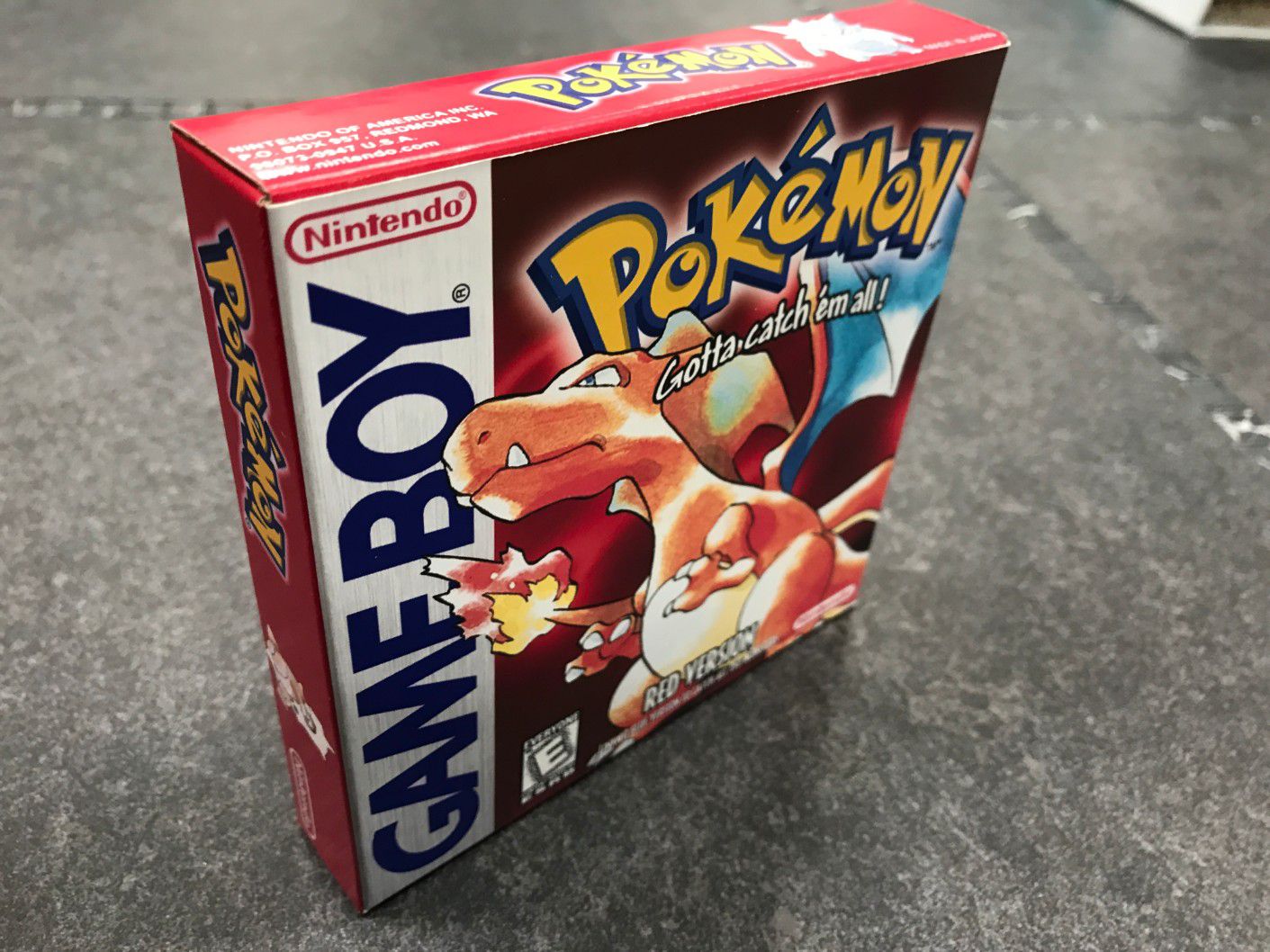
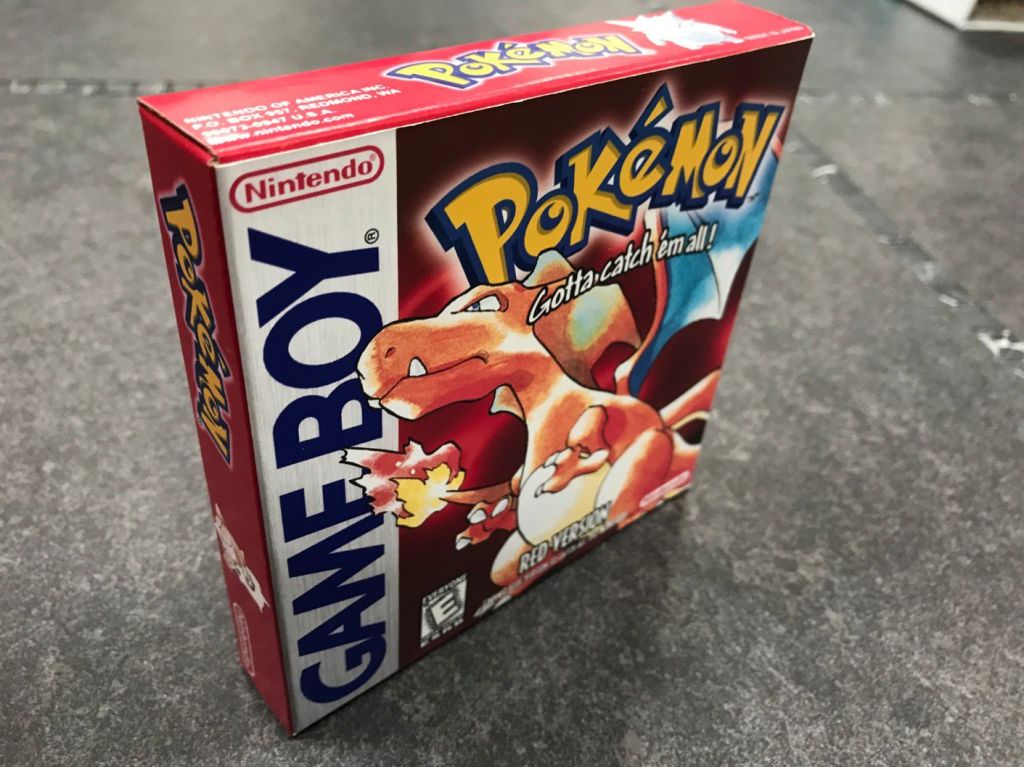
If you were alive in the 1990s like me, you may remember the early days of the Pokémon craze. And if you were even more like me, you may have caught a bad case of Pokémon fever. Before that video game came along, I was already a Game Boy owner and I had friends who were also Game Boy owners. Which meant that we were the perfect target audience for the game, because as all Pokémon fans know, you could not enjoy the full experience of those games without a friend and a Game Link Cable. A great example of the effectiveness of Game Freak’s innovation and Nintendo’s marketing strategy. Usually when something reaches mainstream popularity, it’s because it taps into some kind of cultural zeitgeist at the right moment in time. But looking back at the first Pokémon games and their brilliant core concept, it seems kind of inevitable that the series would become a worldwide success, and I don’t say that about a lot of things.
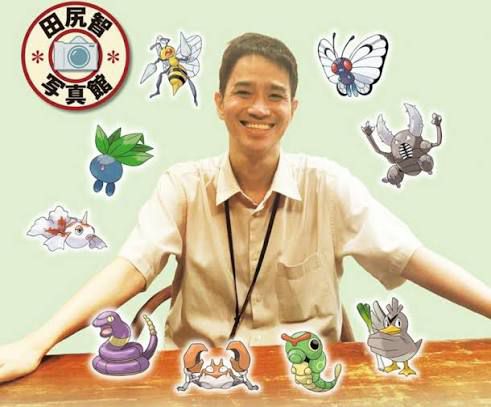
The idea for Pokémon originated from a man named Satoshi Tajiri, a Tokyo-born insect collecting enthusiast (the other kids nicknamed him Dr. Bug) who initially wanted to be an entomologist (the insect branch of zoology), although the gradual urbanization of Japan’s capital city eventually made pursuing that hobby more difficult. Luckily he found another hobby as a teenager: playing video games at the arcade. Space Invaders was the main thing that sparked his enthusiasm for gaming (that game also inspired Mario and Zelda creator Shigeru Miyamoto to enter game development as well, so the influence and importance of Space Invaders really can’t be overstated), and that enthusiasm eventually led to the creation of Satoshi Tajiri’s fanzine Game Freak, which focused on arcade game coverage and was published from 1981 to 1986 (Ken Sugimori, who is most famous as the man behind the box art of the Pokémon games, even started out doing artwork for that fanzine). In addition to Game Freak, Tajiri also reviewed games for other magazines, including Famicom Tsūshin, which was the precursor to Famitsu.
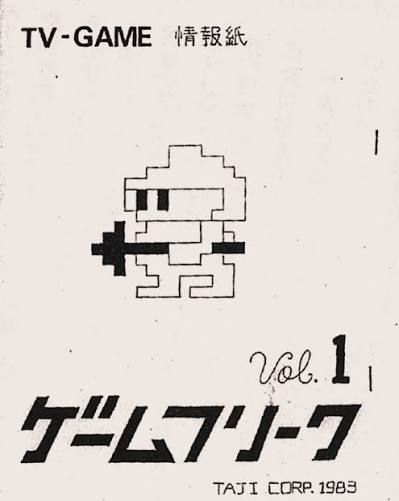
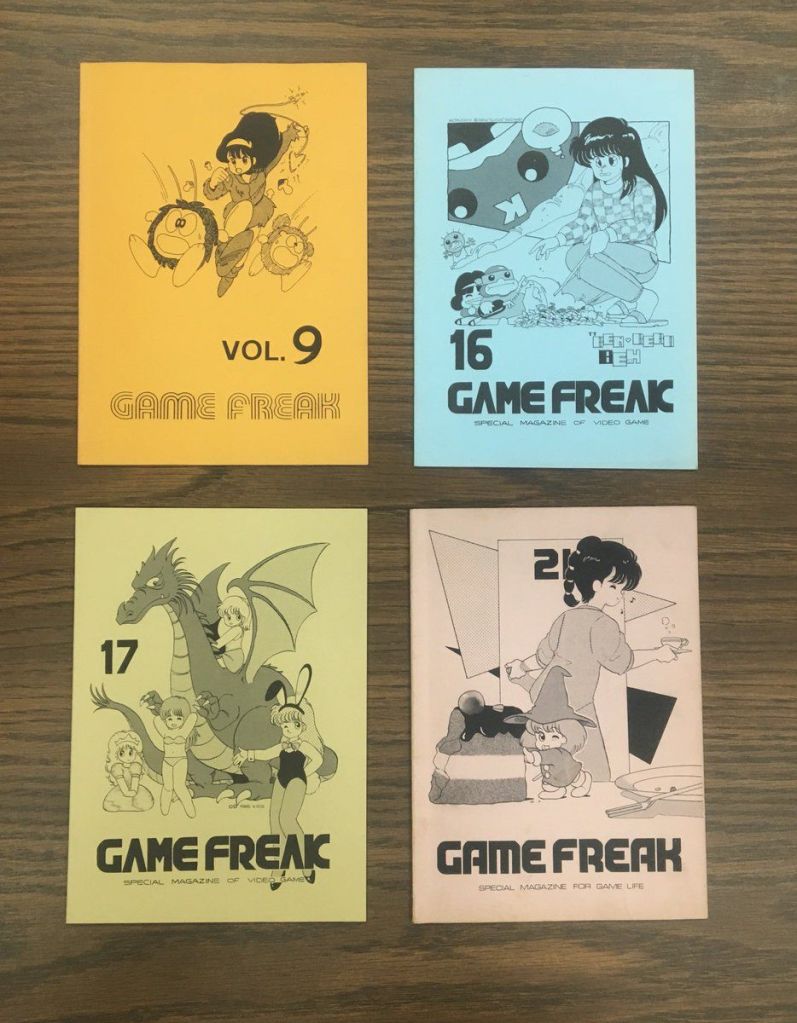
But Tajiri was not just interested in writing about video games. His fascination with video games also led to him taking apart his Famicom system to see how they operate, which led to him experimenting with the software himself and eventually led to the creation of his own games.
In 1989, Tajiri teamed up with Ken Sugimori to co-found the software development company Game Freak and co-develop Game Freak’s first project: an arcade-style puzzle game called Quinty. They managed to get a publishing deal with Namco (the company behind Pac-Man) who released the game on the Famicom in 1989. Some American NES owners may remember that game as Mendel Palace, a localized version that was released in 1990 and published by Hudson Soft.
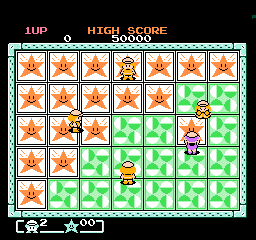
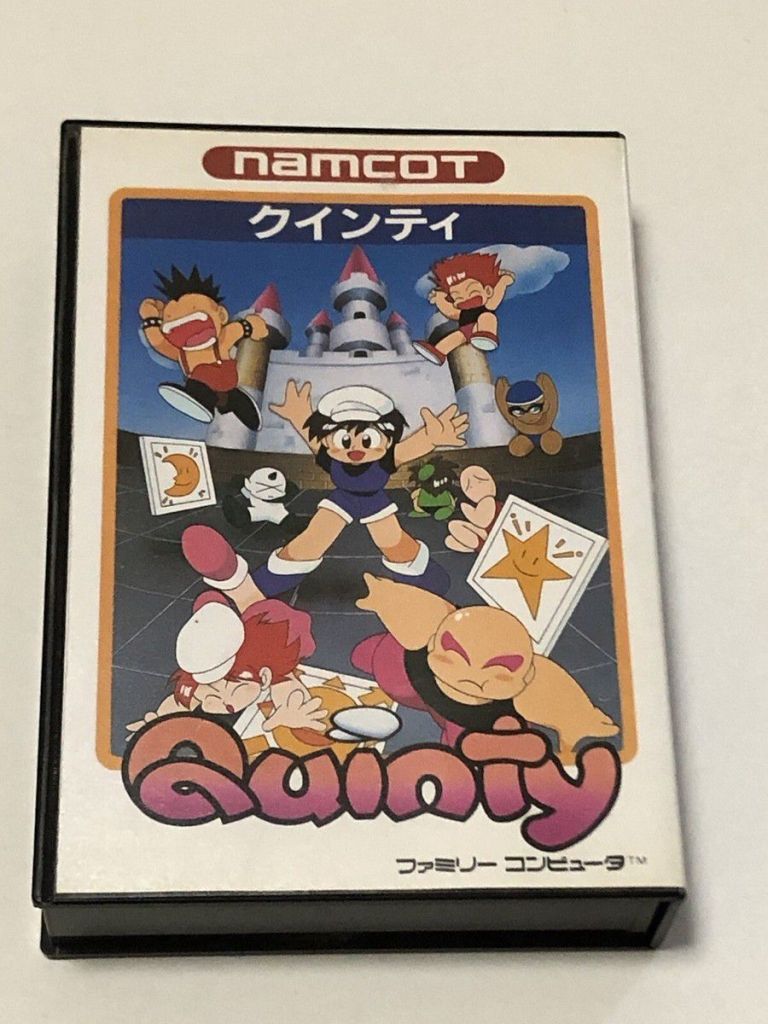
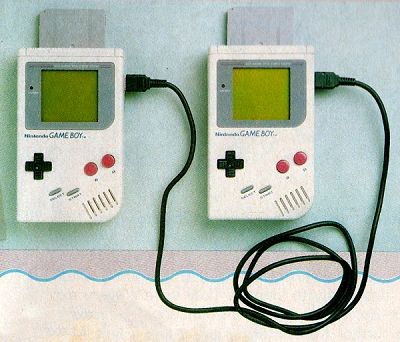
The success of Quinty inspired Tajiri to pitch another video game idea, and this time he pitched it directly to Nintendo. After Tajiri first witnessed the Game Link Cable, an accessory that allowed two Game Boys to connect with each other (allowing for multiplayer competitions in games like Tetris and F-1 Race), he pictured the possibility of trading virtual collectibles between Game Boys with your friends, specifically envisioning a handheld virtual bug-collecting game. Something like this had never been done in a video game before, and when Tajiri pitched the idea to Nintendo in 1990, they couldn’t really grasp it at first because the concept was so radical, although Shigeru Miyamoto believed in the concept and Tajiri had also proven himself after the success of Quinty, so that was enough for Nintendo to let Game Freak develop the idea.
Because of the game’s technical complexity, it took six years to develop, with Game Freak nearly going bankrupt during the long and hard process of nailing the concept down. The only reason why the game wasn’t cancelled and why development was able to continue despite Game Freak running out of money was because they managed to receive an investment from the video game company Creatures Inc., which would help finance the game in exchange for a third of the franchise rights.
Because the development process took so long and was never a sure thing, Nintendo hired Tajiri and Game Freak to assist in the development of other projects in the meantime, including both the NES and Game Boy versions of the puzzle game Yoshi (1991) and the puzzle platformer Mario & Wario (1993) for the Super Famicom. They also worked on Sega’s platformer Pulseman (1994) for the Mega Drive and on Victor Entertainment’s anime-based puzzle game Nontan to Issho: Kurukuru Puzzle (1994) for the Game Boy and the Super Famicom.
By this time, the Game Boy game was really beginning to take shape. The concept of an insect-collecting video game morphed into a monster-collecting video game in which you hunted, captured and trained a variety of fictional creatures and made them battle each other. At first the game was going to be called “Capsule Monsters” (“Capumon” for short), based on the idea that you would use a capsule (later known as a Pokéball) to capture them, but they finally decided on “Pocket Monsters” (“Pokémon” for short).
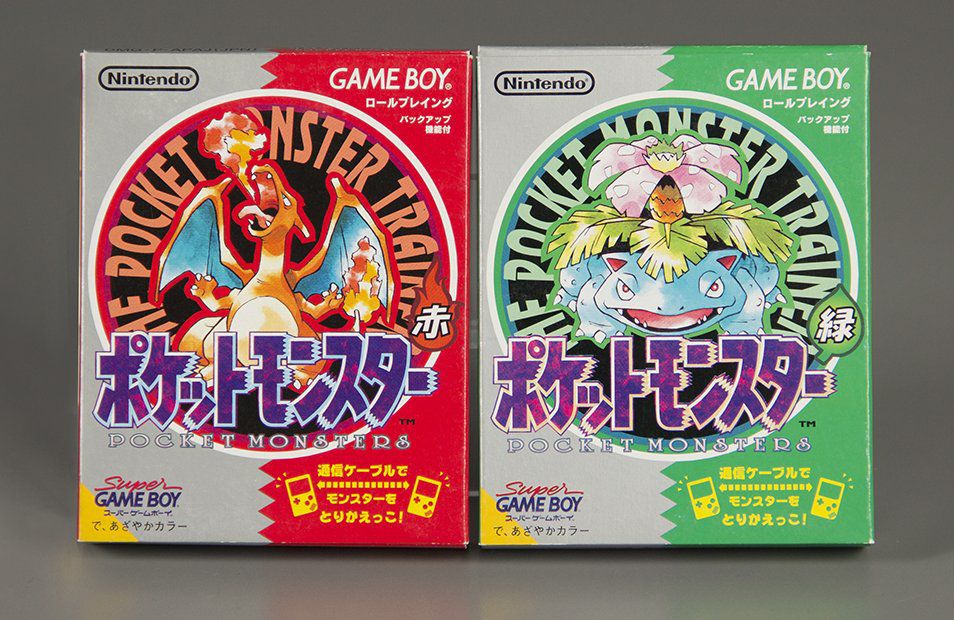
The training, battling and trading aspects were Satoshi Tajiri’s idea, but Miyamoto came up with the idea to create two different versions of the game with different Pokémon being found in each version to both enhance the experience and better necessitate the use of the Game Link Cable. This led to the release of two games at the same time: Pocket Monsters Red and Pocket Monsters Green.
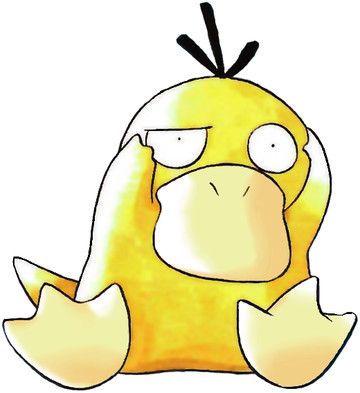
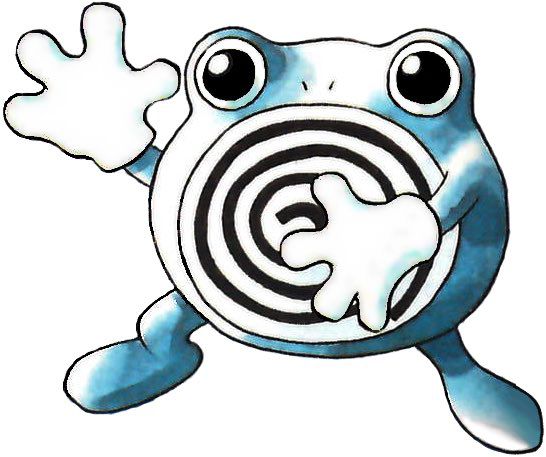
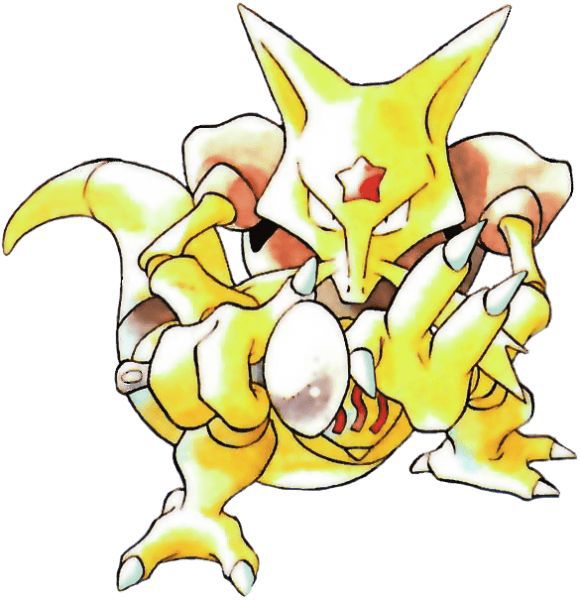
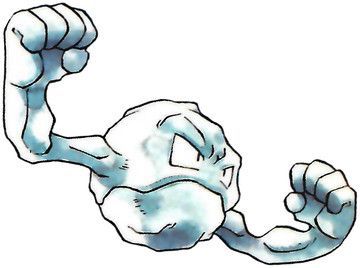
The game featured a Pokémon trainer who you control, and another Pokémon trainer who was your primary rival. Most American gamers would know these two as Ash and Gary, but in the original Japanese version, the protagonist was named Satoshi (after Tajiri) and the rival was named Shigeru (after Miyamoto) as an in-joke. Ken Sugimori designed and drew all 151 Pokémom found in the game with assistance from graphic artist Atsuko Nishida (who designed Pikachu), although Sugimori finalized each design.
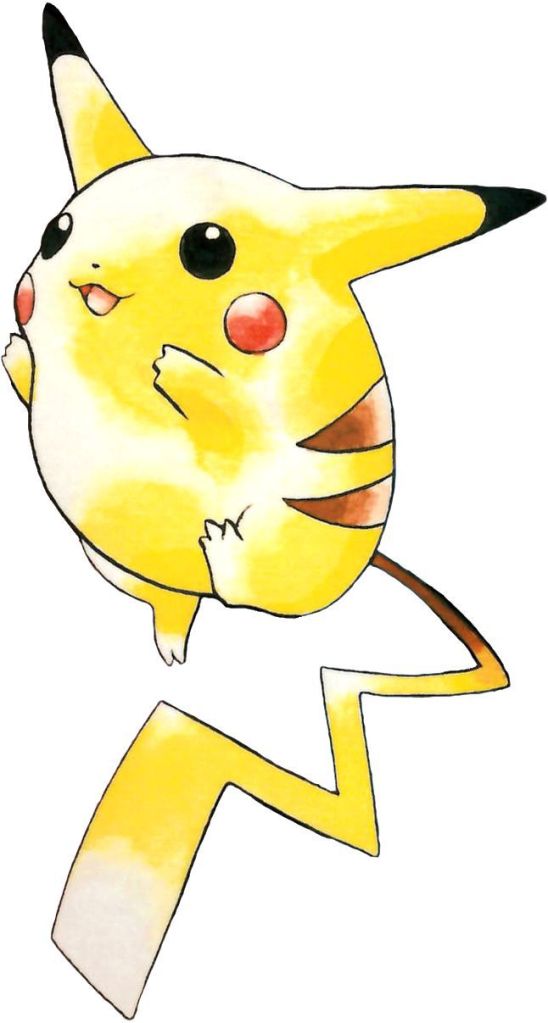
The primary objective of this game was for you to travel the land of Kanto from city to city and use the Pokémon team that you built to battle the eight gym leaders spread throughout the region. Each victory at each Pokémon Gym earned you a badge, and once you obtained eight badges, you were qualified to enter the Pokémon League and take on the Elite Four (the four best Pokémon Trainers in Kanto). Once you defeated the Elite Four (and your rival) you would become a Pokémon champion and your Pokémon team would be inducted into the Hall of Fame. Throughout the game you would also occasionally get roped into the antics of Team Rocket, a team of thieves whose goal is hunting down legendary Pokémon, and stop them from causing chaos throughout Kanto.
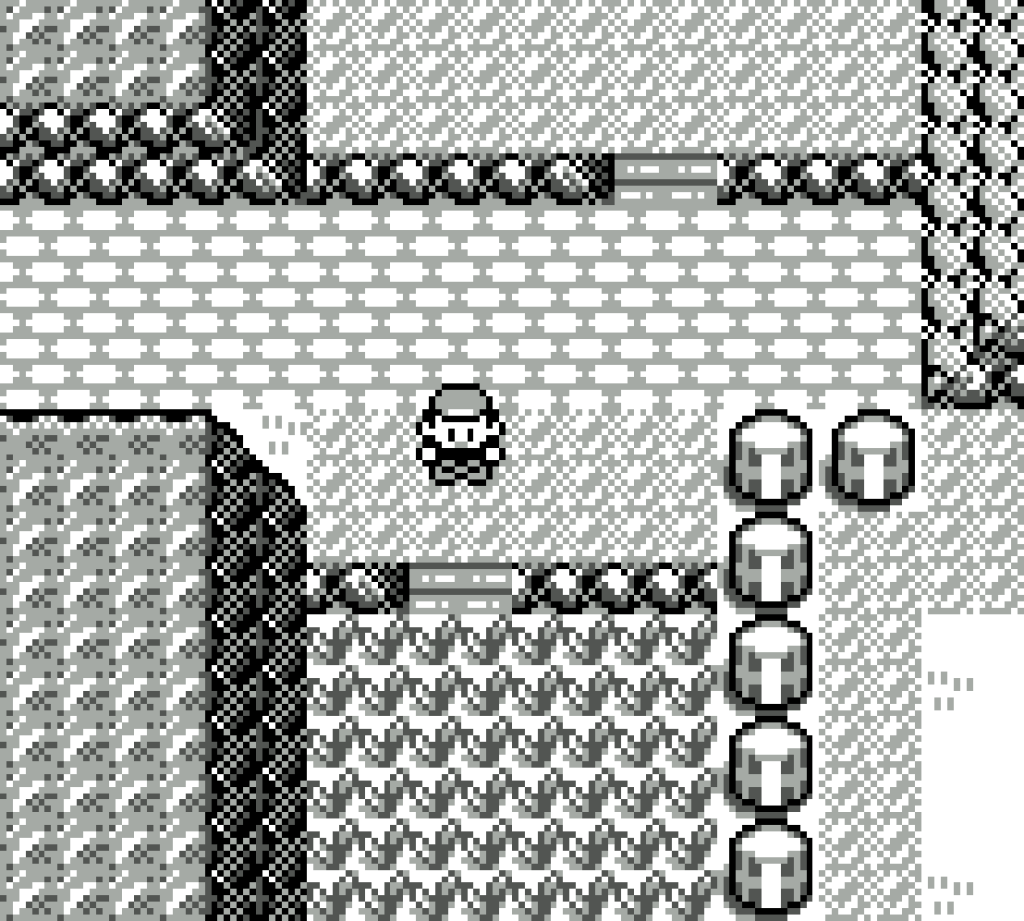
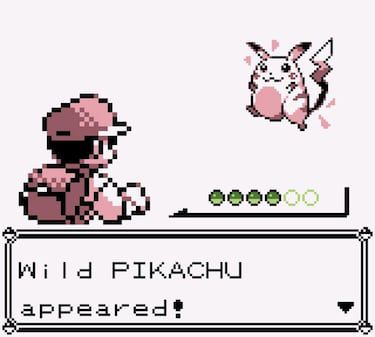
The turn-based battles were just like typical RPGs. You had a health bar, you gained experience points, you leveled up, plus you could give your Pokémon power ups, teach them new moves and even give them nicknames.
The trick with strategizing on how to defeat certain Pokémon and certain Pokémon trainers was knowing the strengths and weaknesses of your team as well as your opponent, and since you were only allowed to have a team of six Pokémon travel with you at a time, you had to make sure your team was varied enough to handle an encounter with any one of the 151 Pokémon in the game. Luckily the more Pokémon you capture, the more you learn about them.
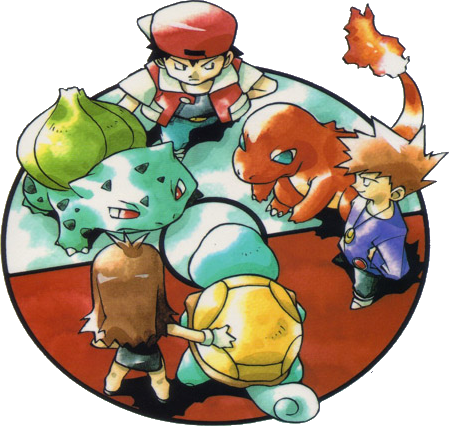
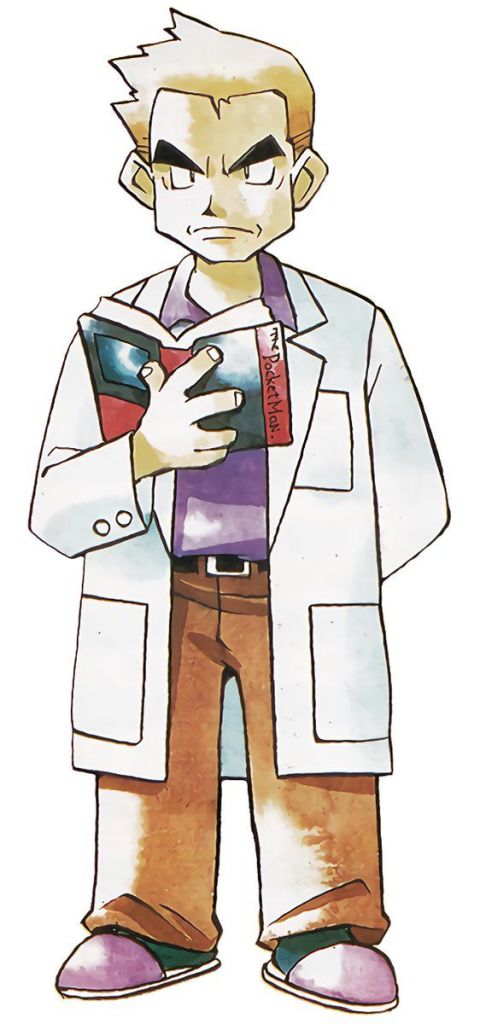
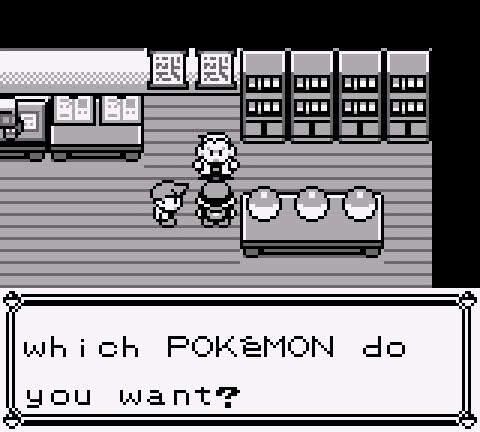
When you start the game, Professor Oak (a Pokémon researcher and neighbor from your home town) lets you choose between three starting Pokémon: Bulbasaur (a grass type), Charmander (a fire type) and Squirtle (a water type). The fact that each of those three Pokémon is stronger than one and weaker than the other (for example, fire types are strong against grass types but weak against water types) just made the choice tougher. And there were 12 other Pokémon types as well, each with their own strengths and weaknesses to factor in to each battle, including electric types, ice types, ground types, flying types and ghost types.
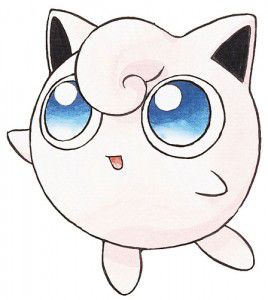

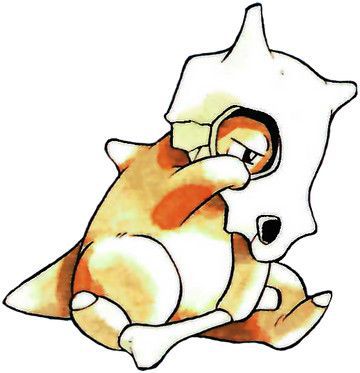
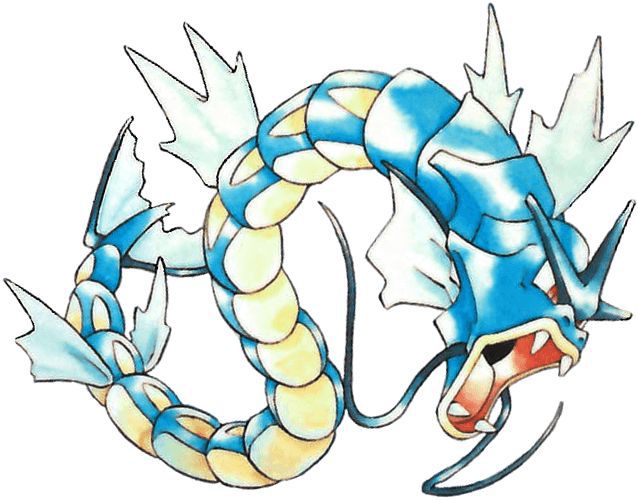
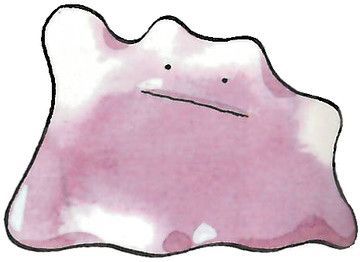
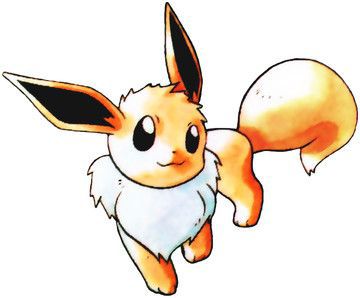
The fact that the concept of the game was so new and original was one thing, but it was also being released at the same time that the Game Boy’s popularity was beginning to wane, which made it even more unlikely that the game would be a success. But development was finally completed in the fall of 1995 and the games Pocket Monsters Red and Pocket Monsters Green were finally released by Nintendo for the Game Boy on February 27, 1996. Neither Nintendo nor Satoshi Tajiri had their hopes up that the games would sell well, and at first sales were slow, but word quickly spread about how fun they were and Japanese gamers became hooked.
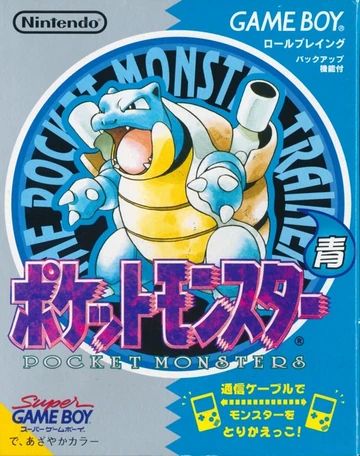
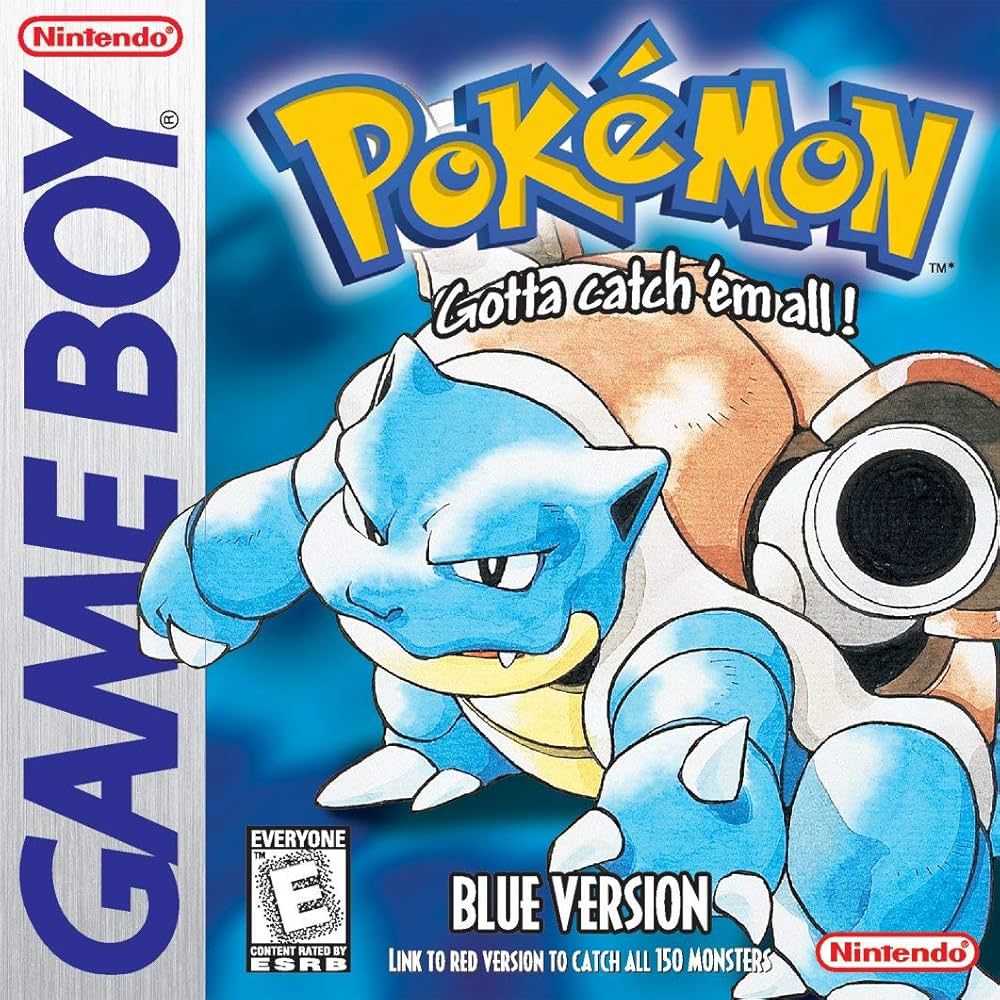
A few months later, Game Freak released a special edition Pocket Monsters Blue version that was available by mail order and featured updated graphics and new dialogue (it was later released in stores in 1999), and that version became the basis for the international release of the games, which reached North America in 1998 as Pokémon Red Version and Pokémon Blue Version. American gamers loved collecting Pokémon just as much as Japanese gamers did and the games became a phenomenon in the U.S. as well. The game’s slogan “Gotta Catch ’em All!” practically became a religion for kids around the world.
Manga adaptations followed and an anime adaptation of the games began airing on TV Tokyo in 1997, later to be localized and released in America (first in syndication and later on Kids’ WB and Cartoon Network) at the same time the games came to America. The popularity of the games and the popularity of the anime both fed into each other and increased the fandom even further, as well as popularizing Pikachu, who achieved his own level of success and became the mascot for the entire franchise. In fact the anime was so popular (and continues to be on Netflix) that a version of the game called Pokémon Yellow was released in 1998, featuring a Pikachu that refuses to go inside its Pokéball an