New Posts (Home)
 ChatBox
 Popular Posts
  Game Zone
 Top PodCasts
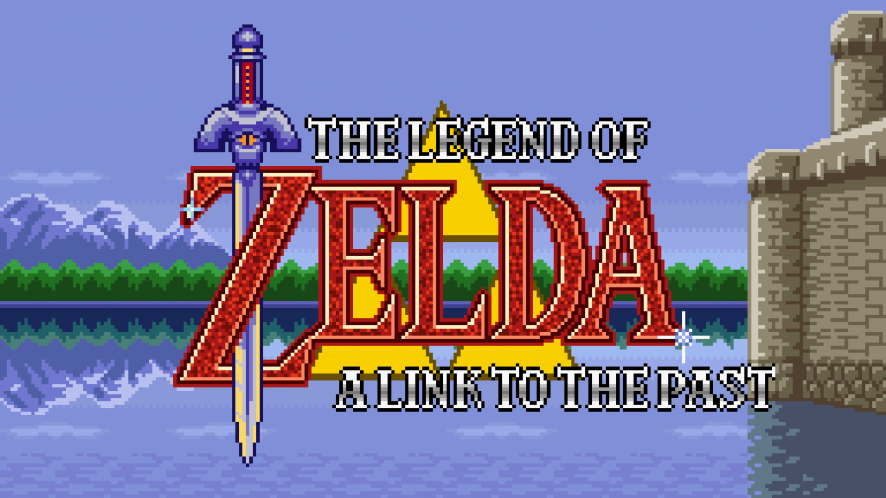
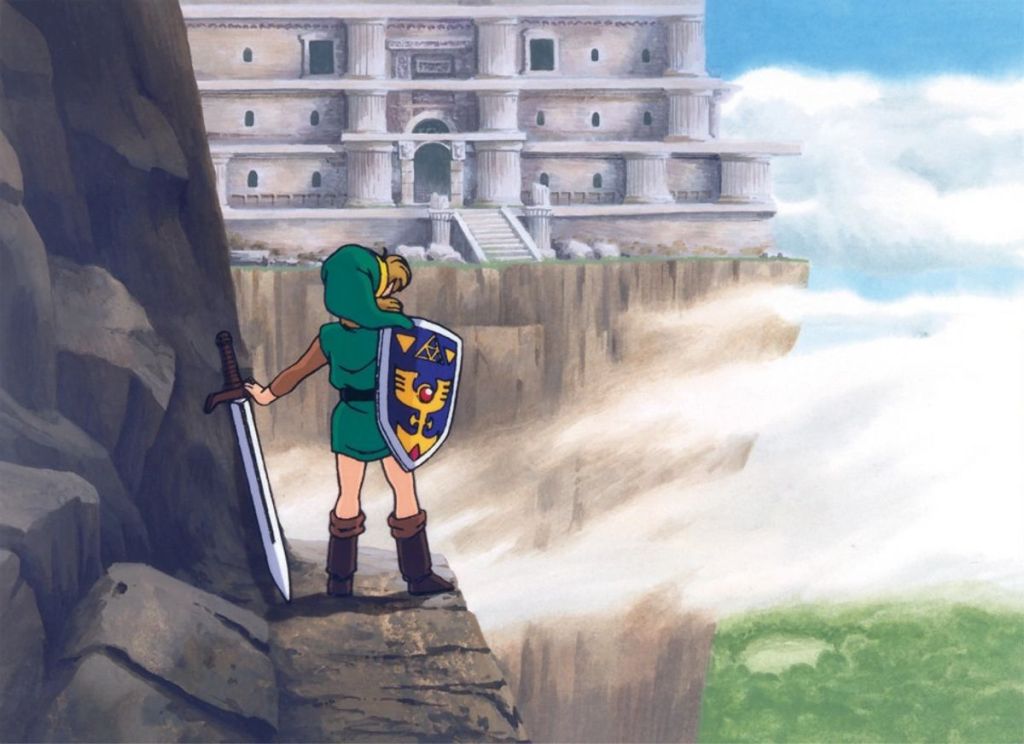
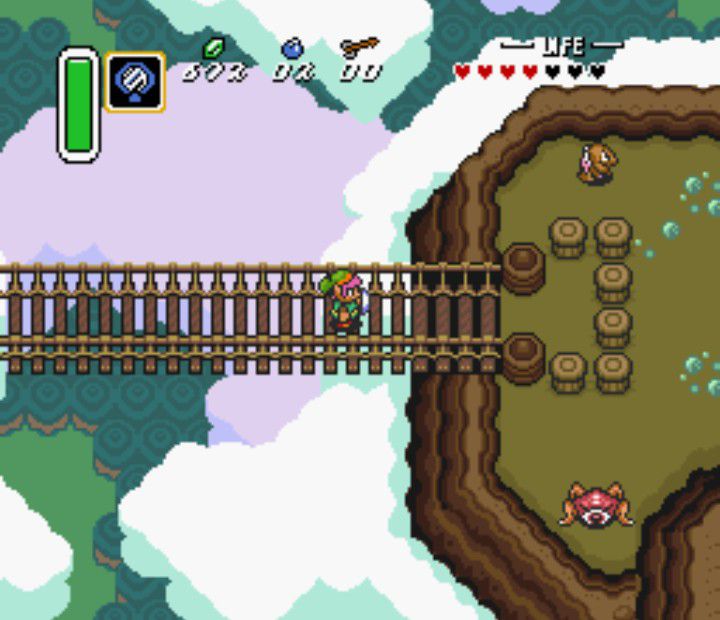
After Nintendo found huge success with the first two Legend of Zelda games on the NES, the next main entry in the series would arrive on the Super NES, with a return to form that made it feel more like a 16-bit version of the first game (although some elements from Zelda II like the magic meter would remain). The third game in the series is The Legend of Zelda: A Link to the Past (1991), which is considered not only one of the best Zelda games and one of the best SNES games but also one of the greatest video games ever made, and that reputation is well-deserved because this really is one of Nintendo’s crowning achievements.
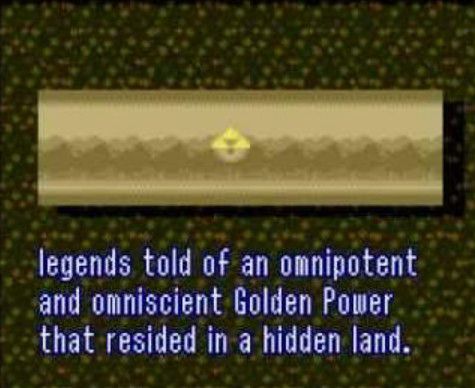
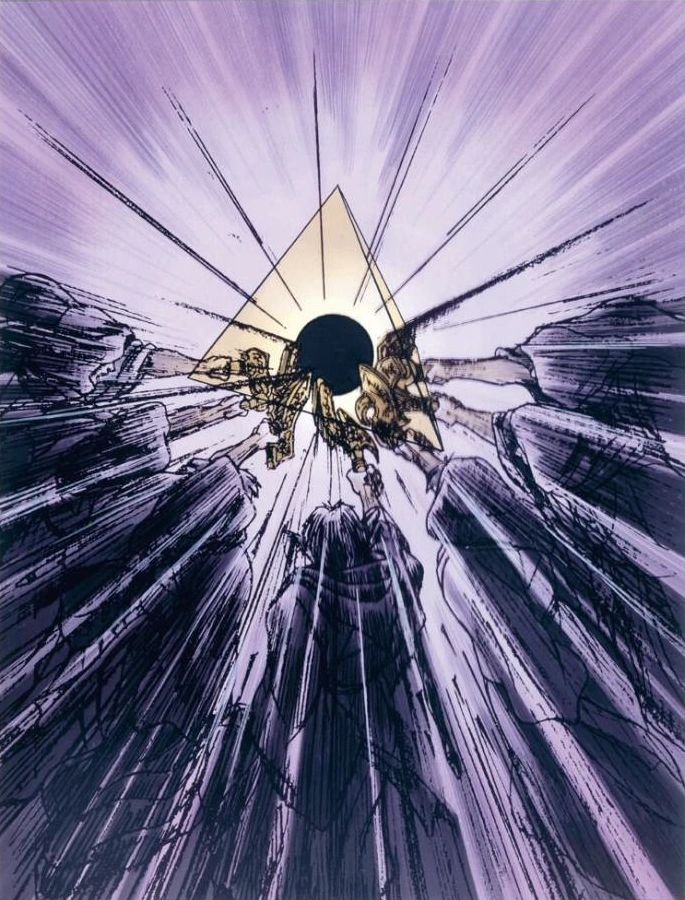
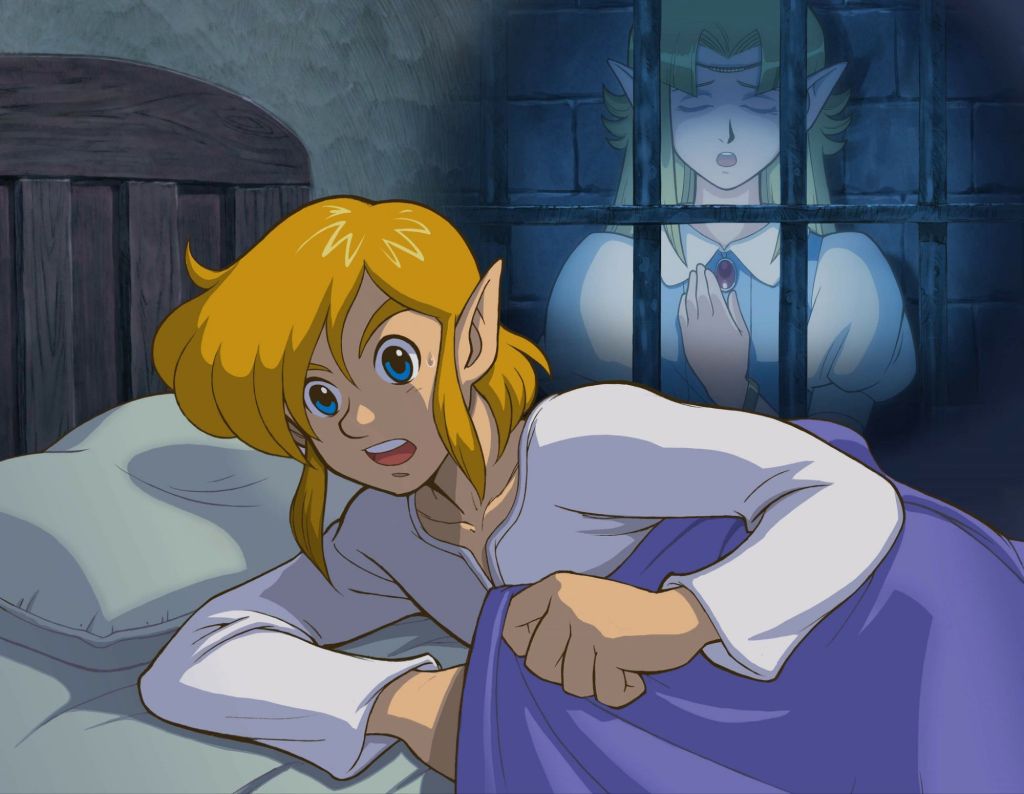
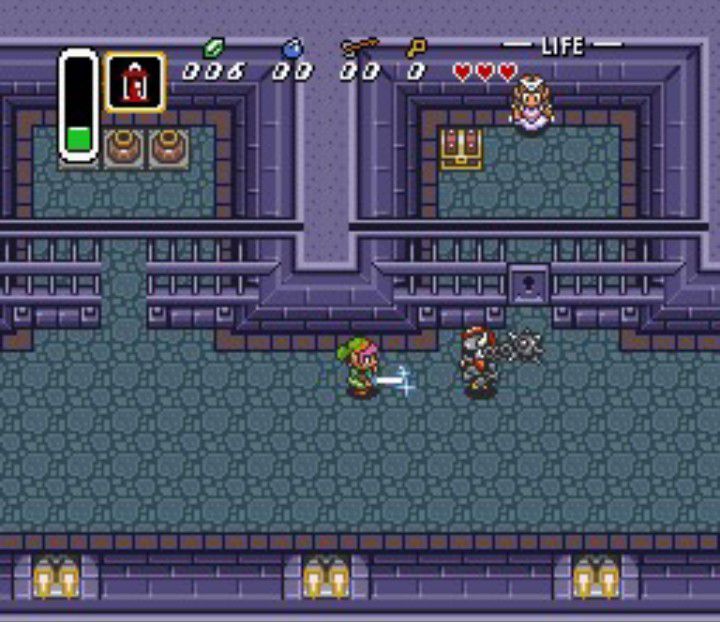
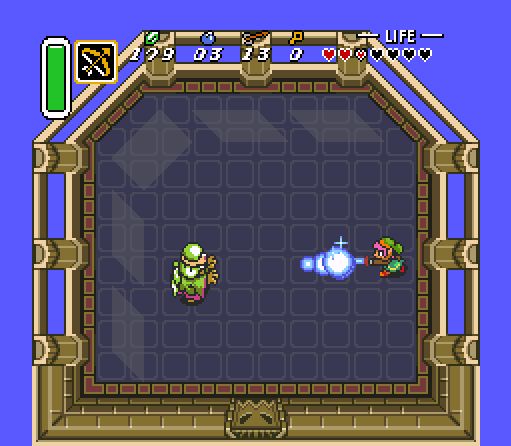
Distantly set before the events of the first game, the story centers on a boy dressed in green named Link (a different Link than the one from Zelda and Zelda II) who follows his uncle to Hyrule Castle after being awakened by a telepathic distress message from Princess Zelda, who has been locked in the castle dungeon by an evil wizard named Agahnim.
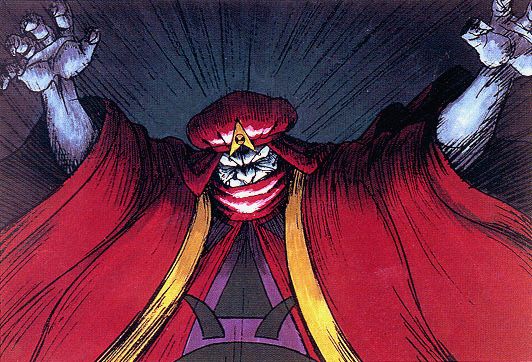
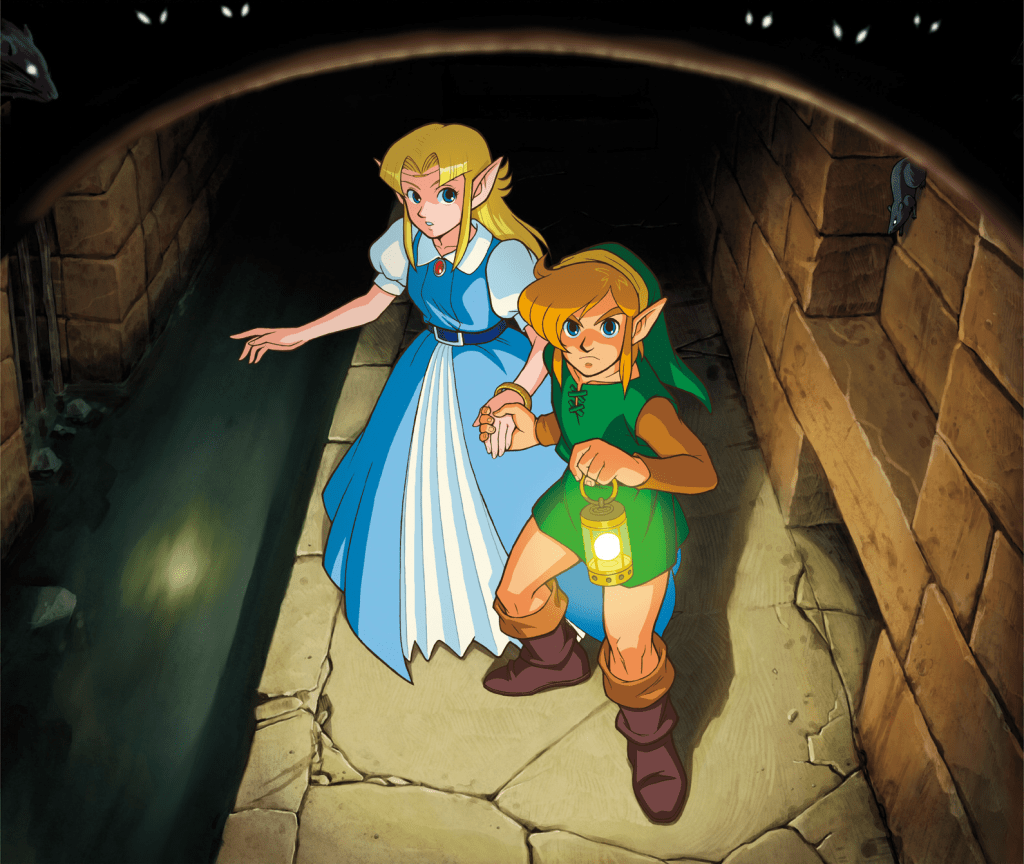
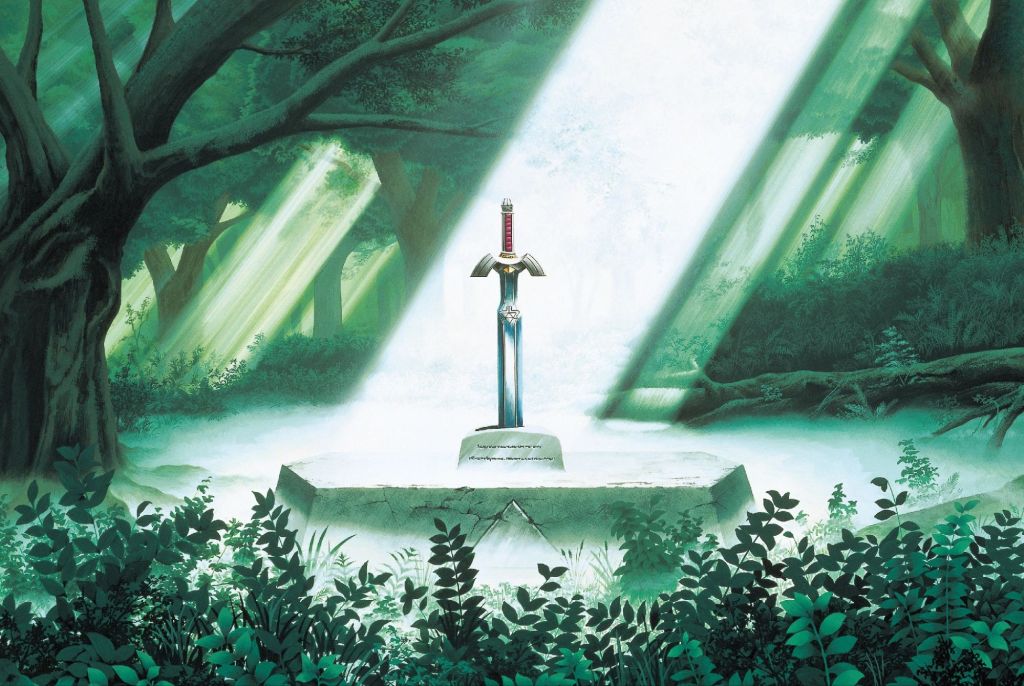
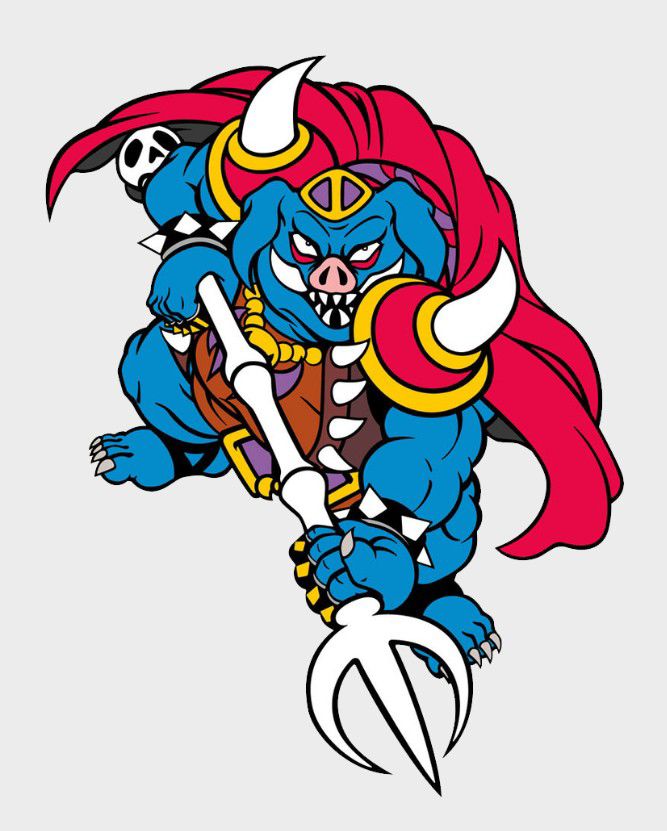
When Link’s uncle becomes wounded on his journey, Link takes his sword and shield, infiltrates the castle himself and rescues Zelda, safely hiding her away in the Sanctuary where a priest looks after her. The priest tells Link that Agahnim plans to free the warlock Ganon from the Dark World (an alternate version of Link and Zelda’s home realm, aka the Light World), where Ganon was imprisoned by the Sages after he attempted to use the Triforce for evil purposes. Link sets out to stop Agahnim from unleashing Ganon, but the only weapon that has the power to vanquish him is the Master Sword, a weapon hidden away in the Lost Woods that only the chosen hero can wield. The only way for Link to prove himself worthy of gaining access to the Master Sword is for him to find the three pendants scattered throughout Hyrule (the Pendant of Courage in the Eastern Palace, the Pendant of Power in the Desert Palace and the Pendant of Wisdom in the Tower of Hera) and journey to the sacred grove where the Master Sword lies in wait.
One of the unique aspects of this game which plays an important role in the plot is Link’s ability to travel between the Light World and the Dark World. Both worlds are similar and yet very different at the same time, as the Dark World version of Hyrule is under Ganon’s rule, with a giant pyramid occupying the area that Hyrule Castle occupies in the Light World.
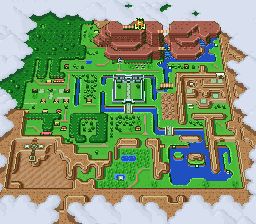
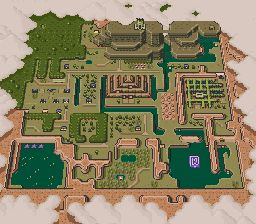
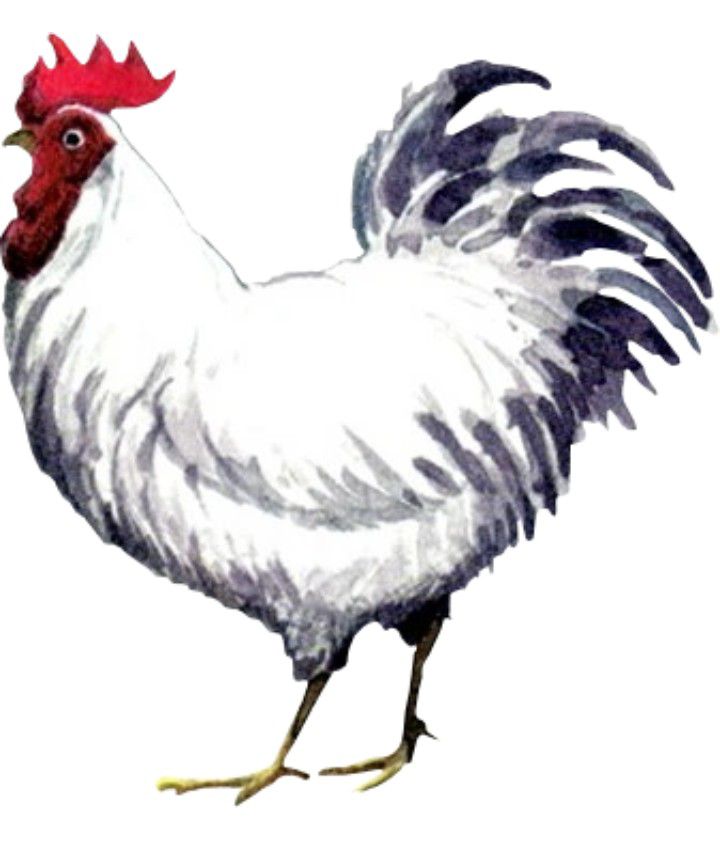
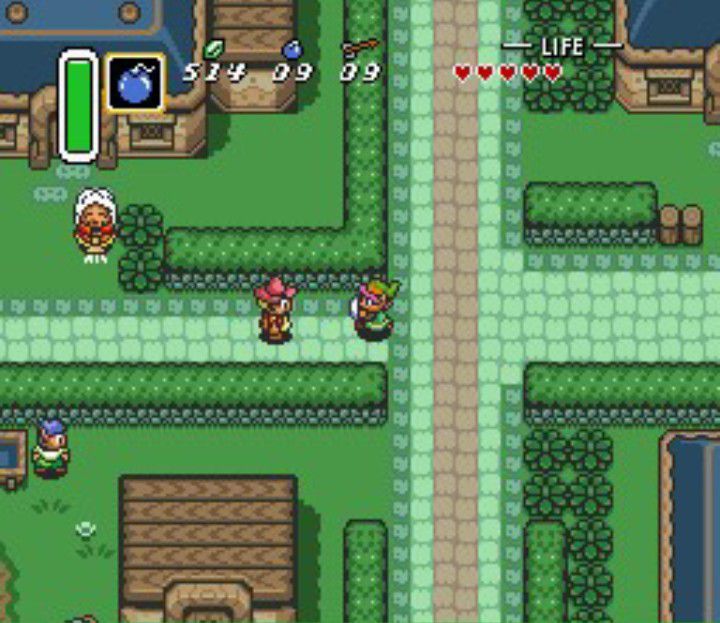
Many elements that are now common traditions in many Zelda games were first introduced in this game. Not just the idea of parallel worlds but also the Master Sword, the Lost Woods, Kakariko Village, the ability to catch fairies and items like the Shovel and the Hookshot, a grappling hook that is able to pull Link across large gaps and long distances. This game also introduced the Cuccos, which were chickens that could be found in villages. Despite the fact that the Cuccos are docile, it was possible for Link to interact with them by picking them up, throwing them and attacking them. The most memorable and hilarious thing about the Cuccos was that when you repeatedly attacked them, a flock of them would eventually swarm down on you and strike back at you dive bomber style. A completely pointless and wacky feature but a perfect example of Nintendo’s sense of humor.
When development on a third Zelda game began, it was originally intended to be released on the NES just like Super Mario Bros. 3, but because development on the SNES was making significant progress, someone made the smart decision to switch the game over to that console instead. Nintendo invested a lot of time and money into making sure A Link to the Past was a worthy follow-up to the NES games, and because those games were so successful, Nintendo was more than happy to go that extra mile, even allowing a single megabyte of storage space into the A Link to the Past cartridge, which was higher than the amount of storage space in most SNES cartridges.
This time Shigeru Miyamoto would produce the game while frequent collaborator and Super Mario World director Takashi Tezuka would direct the game solo. Aspiring filmmaker turned writer and designer Yoshiaki Koizumi (the man who would later go on to direct, design and co-write Super Mario Galaxy as well as create the Mario character Rosalina) wrote A Link to the Past‘s backstory while Super Mario Bros. 2 director Kensuke Tanabe wrote the game’s script. The Legend of Zelda composer Koji Kondo returned to write the music for this game as well, introducing for the first time some of the Zelda series’ most popular and most commonly reprised pieces of music, including Zelda’s theme, Ganon’s theme, the Hyrule Castle theme and the fairy theme (the famous tune you hear before the game starts on the file select screen).
The Legend of Zelda: A Link to the Past is by far one of the biggest highlights of the Zelda series. Critics heaped it with acclaim upon its release in 1991, praising its challenging gameplay as well as its excellent graphics, Koji Kondo’s music and Nintendo’s trademark sense of fun and discovery, with Japanese video game magazine Famitsu making the assessment that it is a game that will remind you of why you love games. Critics were of course not the only ones who realized how brilliant it was. It was also a huge commercial success, becoming one of the top ten best-selling SNES games of all time, and Nintendo has often re-released it, including on the Game Boy Advance in 2002.
Almost every Zelda game that followed A Link to the Past has been influenced by A Link to the Past in some way, because it set a high standard and was the perfect example of the Legend of Zelda series’ appeal. It took the formula that began with the first game and fine-tuned it to near perfection.