New Posts (Home)
 ChatBox
 Popular Posts
  Game Zone
 Top PodCasts


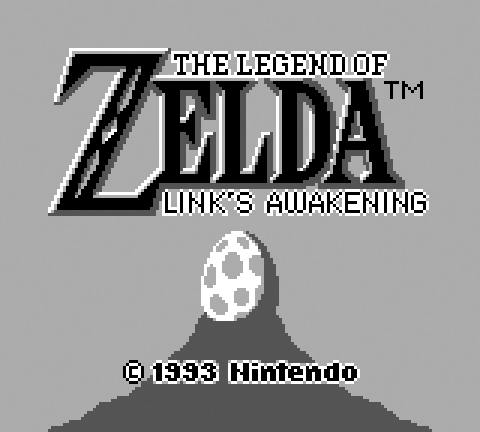
The Game Boy game The Legend of Zelda: Link’s Awakening (1993) was the first mainline Zelda game for a handheld system and also the first Zelda game to feature a plot that doesn’t center around Zelda, Ganon or the Triforce and to take place outside of the kingdom of Hyrule. The game instead takes place on a mysterious and bizarre island in a dream world, and because of that setting, the developers are a lot looser with the material than they were for the first three games, allowing for more humor and fourth-wall breaking moments, but the game is no less memorable for these traits. It is considered one of the biggest highlights of the series, and despite the smaller handheld screen and the less detailed graphics, there were some things about this game that in my eyes made it even better than the console Zelda games, which I will get into in this article.
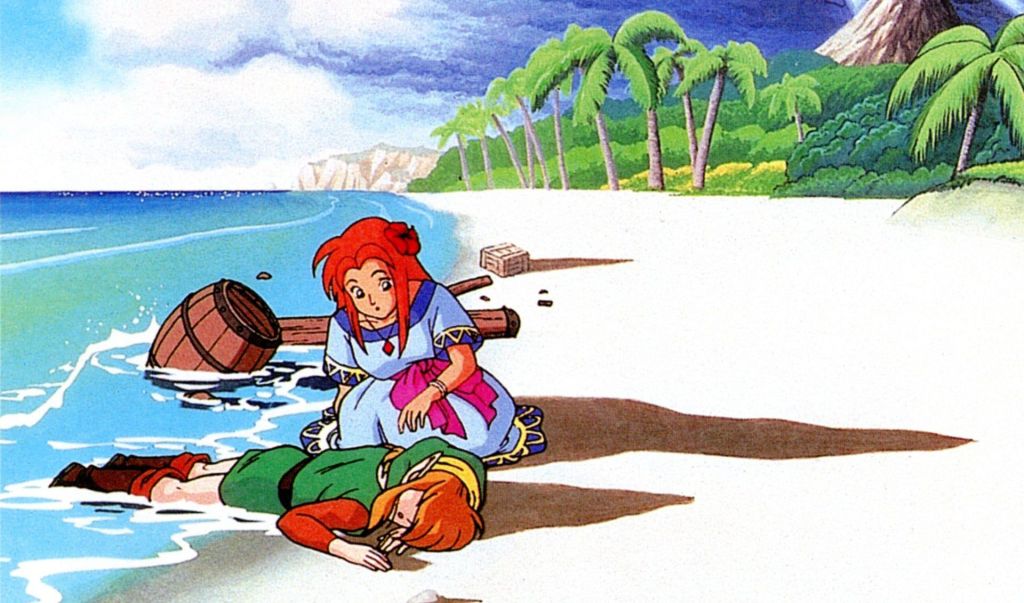
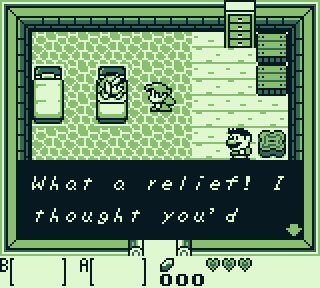
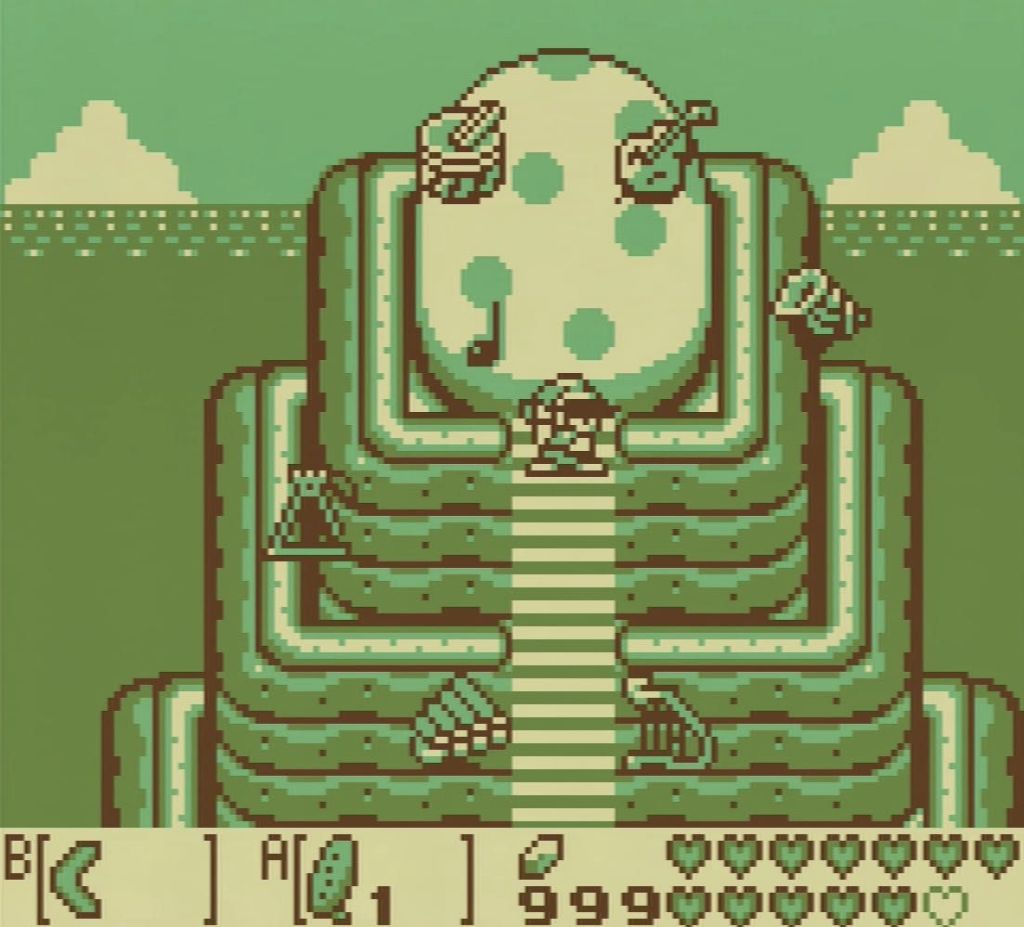
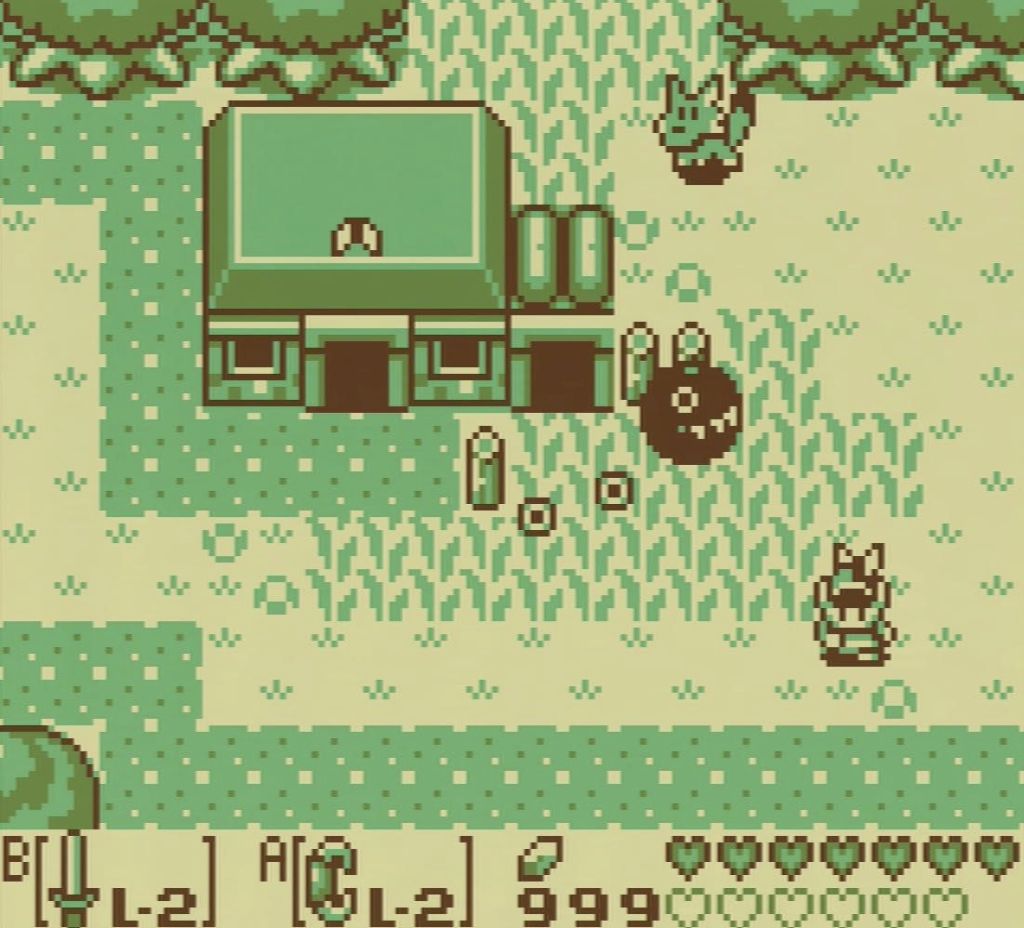
The plot of Link’s Awakening is set after the events of the SNES game A Link to the Past when Link is sailing during a stormy voyage to continue his training for future threats after the defeat of Ganon. After the storm destroys his boat, Link is washed ashore on a place called Koholint Island, where his unconscious body is discovered by a girl named Marin. At the start of the game, after Link awakens in the home of Marin and her father Tarin, he goes back to the shore where he washed up to locate his sword, after which he is told by a talking owl that in order for Link to leave Koholint Island and return home, he must wake up the Wind Fish, a mysterious being sleeping inside of a giant egg at the peak of Mt. Tamaranch.
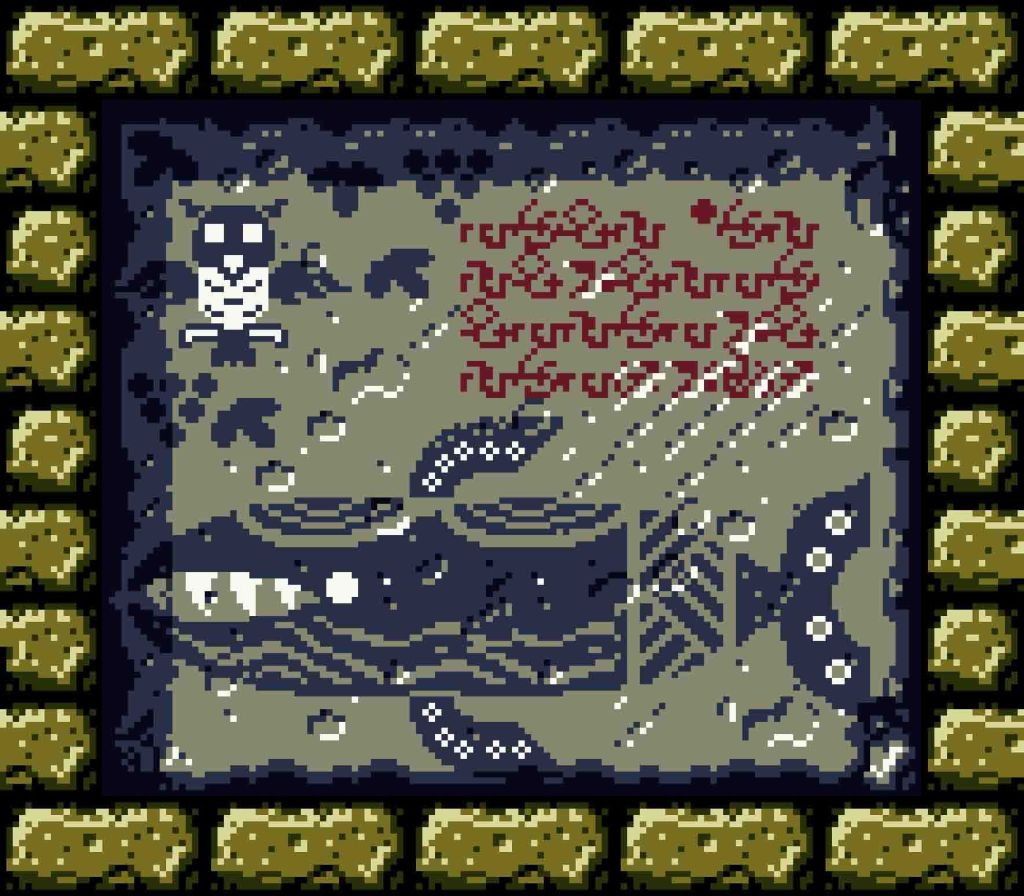
In order for the Wind Fish to wake up, Link has to locate the eight musical instruments known as the Instruments of the Sirens, which can be found in eight dungeons scattered across Koholint Island, where they are each protected by eight nightmares who are scheming to keep the Wind Fish asleep forever. Obviously it’s your job to defeat these nightmares, but there’s a slight wrinkle in that plan because as you learn over the course of the game, it is possible that once the Wind Fish wakes up, Koholint Island and everyone on it will in fact disappear forever. Although the owl tells Link that this is just a rumor and only the Wind Fish knows for sure whether Koholint Island is a real place or a fantasy.

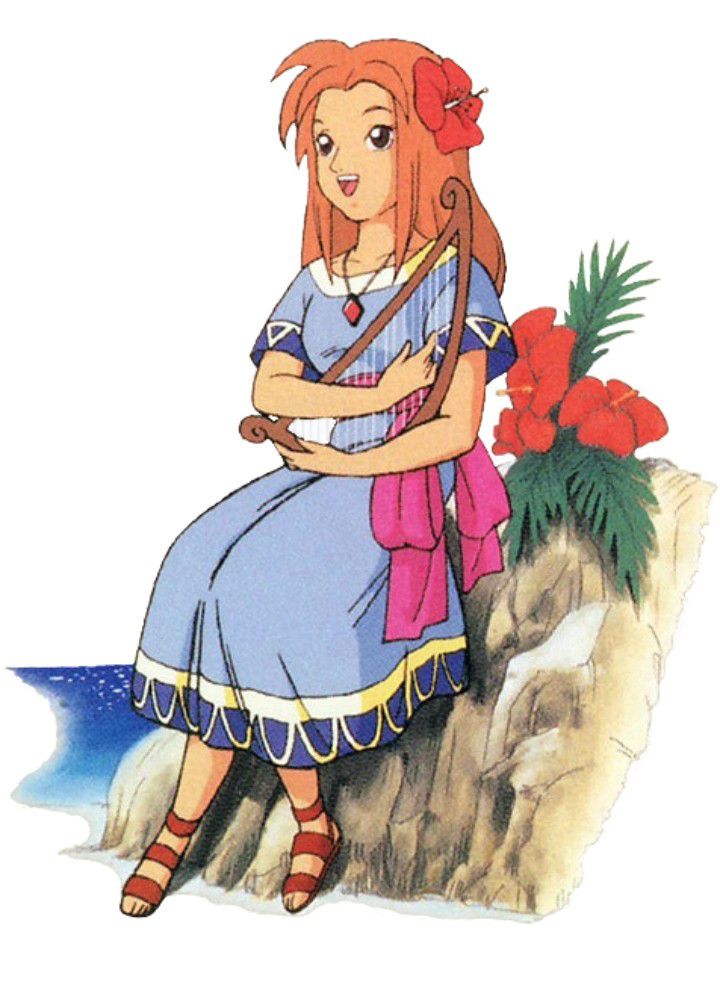
As I said, Marin, the girl who found you on the beach, is the first person you meet in the game, but it shortly becomes clear that she is also one of the most important people in the game, because she is the one who teaches you the “Ballad of the Wind Fish,” a song that she not only sings for her fellow islanders (which has earned her many admirers) but one that she teaches you how to play yourself once you obtain an ocarina. That song is the one you must play on Mt. Tamaranch after obtaining the Instruments of the Sirens in order to wake the Wind Fish.
A Link to the Past Producer Shigeru Miyamoto, A Link to the Past director Takashi Tezuka and A Link to the Past writers Yoshiaki Koizumi and Kensuke Tanabe all returned to perform these same jobs on Link’s Awakening. The project started as a programming experiment by Kazuaki Morita to test the capabilities of the Game Boy to produce a Zelda game. The results ended up being so promising that a handheld Zelda game went into development soon after, originally with the idea being to port A Link to the Past, before more creative ideas prevailed.
Yoshiaki Koizumi is the one who came up with the concept of the game taking place in a dream world, which gave the writers and programmers a lot of leeway to make Link’s Awakening stand out significantly from A Link to the Past. Even the game’s director Takashi Tezuka said that Link’s Awakening felt more like a parody of a Zelda game than an actual Zelda game, emphasized by its sense of humor, its unique tone and the fact that characters from other Nintendo games even make cameo appearances (keep an eye out for Kirby, Princess Peach and several Mario enemies among others).
Long-time Zelda producer Eiji Aonuma, who would join the series later as a director and designer on the Nintendo 64 game The Legend of Zelda: Ocarina of Time, described Link’s Awakening as the first Zelda game that had a proper plot. And I understand what he means when he says this, because while the NES and SNES games obviously had detailed backstories and important objectives, Link’s Awakening had a notable focus on comedy, drama and personal character relationships. Which made the game feel a bit more engaging from a narrative perspective. Plus the fact that Koholint Island and so many of its inhabitants were so mysterious (Koizumi took inspiration from the American TV series Twin Peaks while building this world) added a lot to the game’s atmosphere and tone. The music by Nintendo newcomers Minako Hamano, Kozue Ishikawa and sound programmer Kazumi Totaka also added greatly to the game’s atmosphere and tone and all three of them deserve major credit for the ways their compositions enhanced the mood in ways that were often creative and sometimes even eerie. And again, this is a Game Boy game I’m talking about.
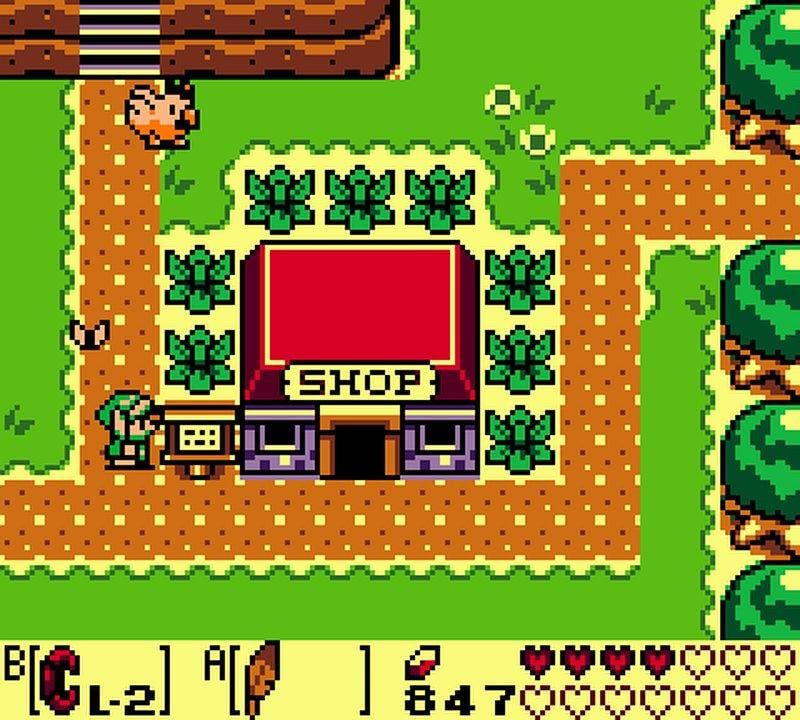
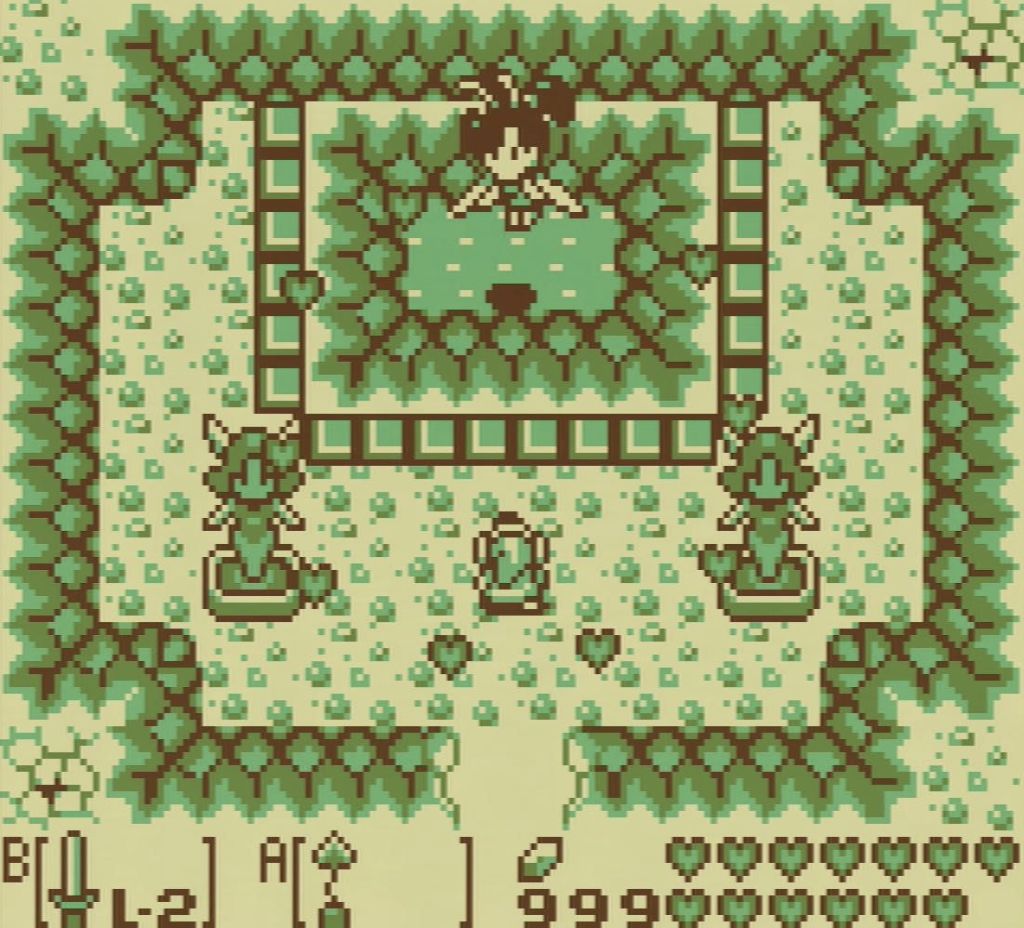
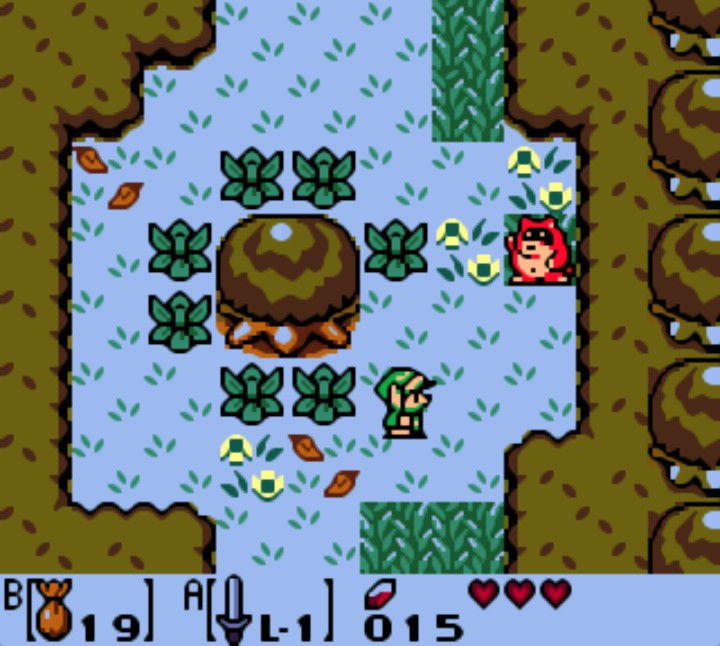
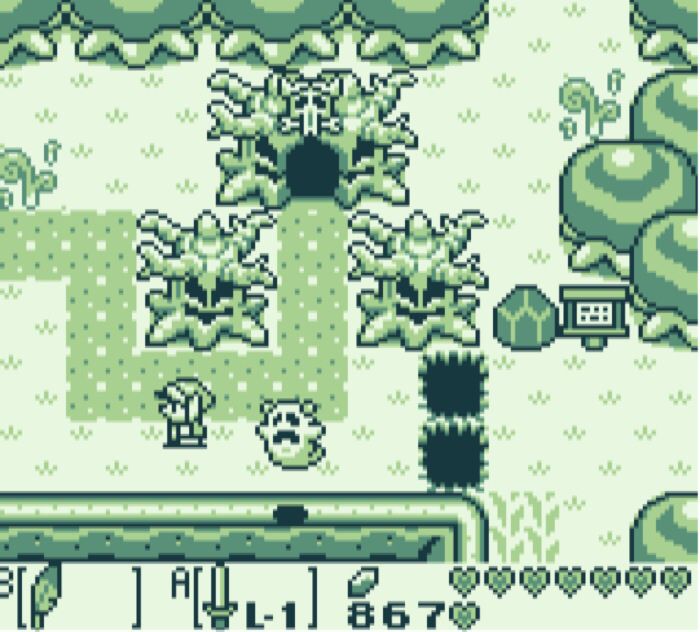
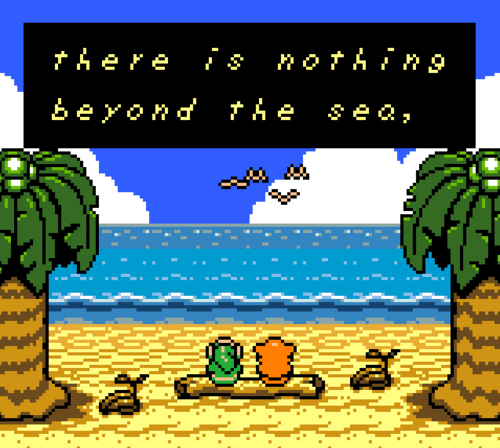
Despite this game’s oddball traits and wild swings, it is one of the biggest influences on the entire Zelda series going forward, introducing concepts that even Ocarina of Time, a game that many people call the best video game ever made, would end up borrowing, including the idea of Link receiving advice from a talking owl, the idea of playing music on a magical ocarina and the trading sequence, a concept that has reappeared in a number of Zelda games that involves you doing a good deed for a character who then rewards you with an item, which you must give to another character, who will then trade that item for their item, etc., until you receive the final item at the end of the series of trades.
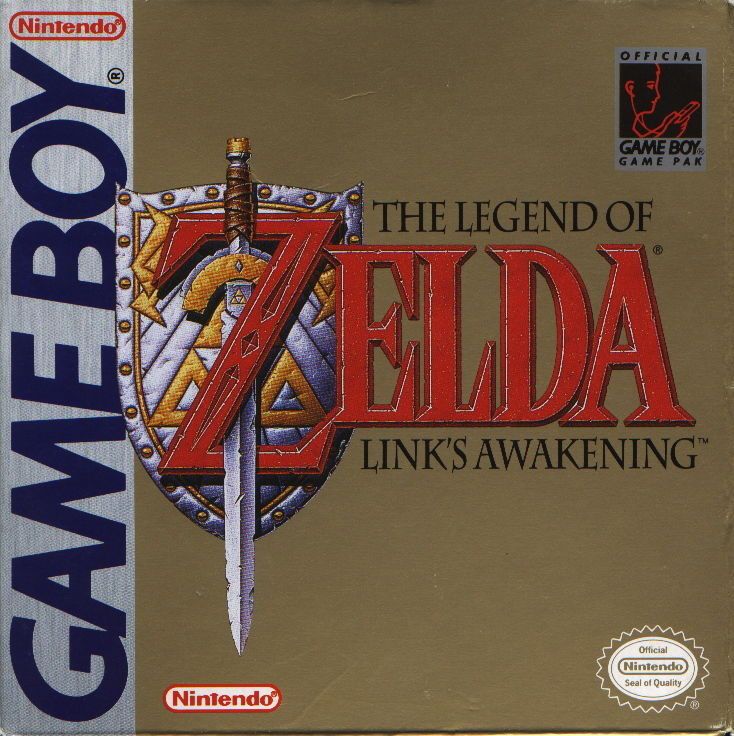
The Legend of Zelda: Link’s Awakening was released in Japan during the summer of 1993 and it received critical acclaim and a lot of votes for “best Game Boy game of all time,” introducing many gamers to the Zelda series, including myself, but it goes even further than that for me personally because Link’s Awakening was the first video game I ever played and it is literally the reason why I became a video game fan in the first place, and I was so obsessed with playing it that it’s literally the reason why I asked my mom to buy me a Game Boy. If not for that game, I wouldn’t be writing blogs about video games at all right now. But many gamers around the world feel the same love towards the game that I do and it became a huge commercial hit, even contributing to an increase in Game Boy sales (you’re welcome, Nintendo) in the process. It received a Game Boy Color remake in 1998 called The Legend of Zelda: Link’s Awakening DX which featured an extra dungeon and extra features and also got rave reviews, and the Japanese game company Grezzo created a high-definition remake for the Nintendo Switch in 2019.
Just like A Link to the Past, Link’s Awakening is an ingeniously crafted and challenging action-adventure game, but what really hooked me and made me fall in love with it was its loveable cast of characters, its sense of humor, its emotional storytelling and the intriguing mystery at the center of it all.