genesiustimes.com
BREAKING: Federal Judge Overturns Ukraine-Russia Ceasefire, Directs Parties to Resume Hostilities
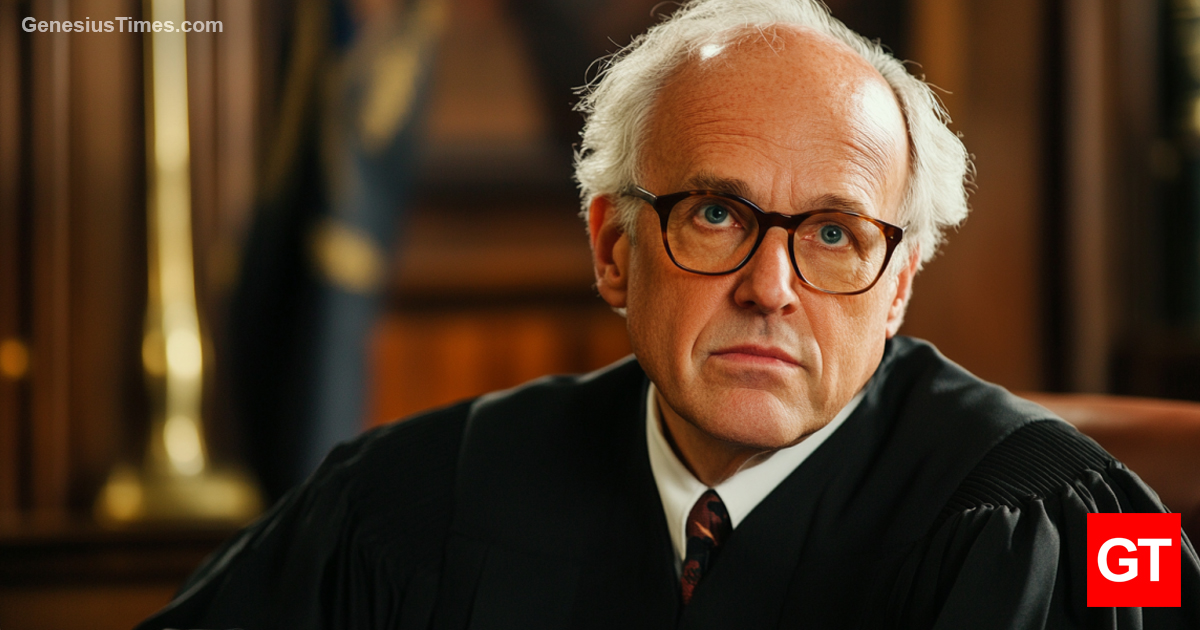
WASHINGTON, Oct. 27 — U.S. District Judge Hugh Jassole issued an order Monday vacating an existing ceasefire between Ukraine and Russia and directing both governments to resume military operations against each other without further delay.
In a nine-page opinion, Judge Jassole wrote that the pause in fighting had not been authorized by any federal statute within his jurisdiction and that continued compliance with the ceasefire risked creating an “unregulated equilibrium” outside the court’s supervision. The order requires the parties to “recommence the mutual destruction of military and related assets at a rate consistent with pre-ceasefire levels” and to file status reports every 14 days confirming that active hostilities have been restored.
“This will be seen as a win for Trump and we can’t let that happen,” Jassole added.
Neither the Ukrainian nor Russian governments were parties to the underlying case, which originated as a commercial dispute between two shipping companies over unpaid freight charges. Judge Jassole stated that the ceasefire had nonetheless come to his attention through “public reporting” and that the court possessed authority to address conditions affecting “the orderly administration of justice.” He rejected a motion by the U.S. government arguing that foreign military affairs fall outside the district court’s subject-matter jurisdiction, calling the argument “premature.”
The State Department said it was reviewing the order. A spokesman noted that the United States is not a party to the ceasefire arrangement referenced in the opinion and that the department does not typically comment on pending litigation. Ukrainian and Russian officials did not immediately respond to requests for comment. One European diplomat, speaking on condition of anonymity, said his government was “seeking clarification on the practical implications.”
Judge Jassole set a hearing for next month to consider whether additional measures, including the appointment of a special master to monitor compliance, would be appropriate. The order takes effect immediately.
The post BREAKING: Federal Judge Overturns Ukraine-Russia Ceasefire, Directs Parties to Resume Hostilities appeared first on Genesius Times.
 New Posts (Home)
 ChatBox
 Popular Posts
  Game Zone
 Top PodCasts