www.optimistdaily.com
Vision board ideas for adults: how to create one that inspires real change
BY THE OPTIMIST DAILY EDITORIAL TEAM
A vision board might look like a crafty throwback to childhood afternoons spent collaging. But don’t write it off now that you’re #adulting. This practice is far more than a cut-and-paste project. Vision boards are a creative and science-backed tool for setting intentions, visualizing goals, and keeping them front and center in your everyday life.
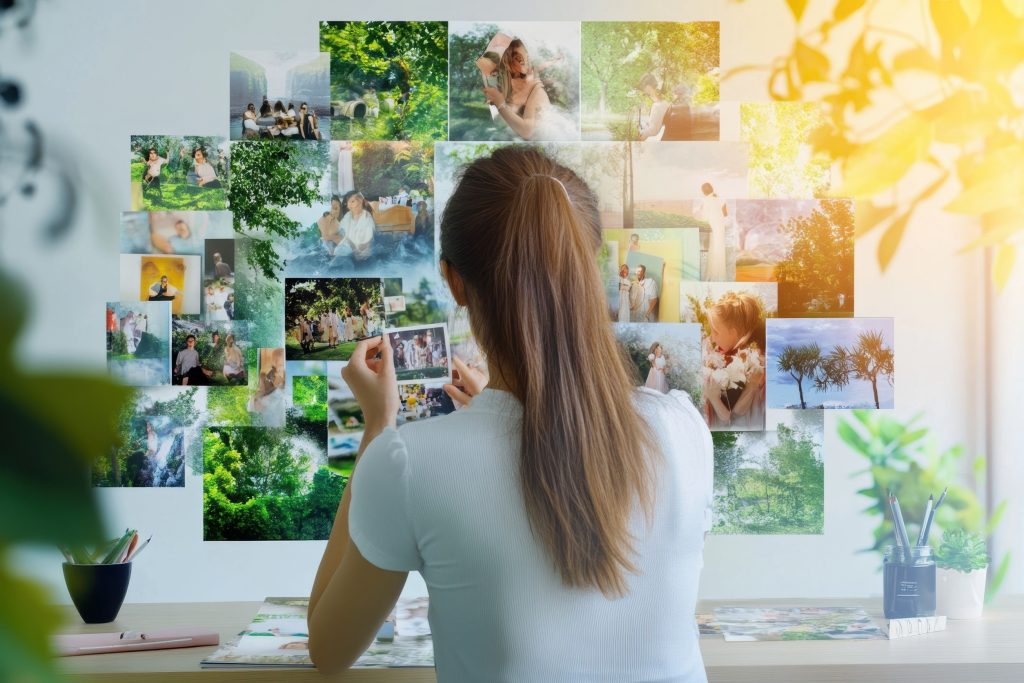
Unlike a mood board, which focuses on aesthetics, a vision board highlights what truly matters: the goals, dreams, and experiences a person wants to bring into their life. Think of it as a personal compass that is colorful, tangible, and entirely your own.
“Vision boards can help you take the time to actually think about what you want, something that many of us don’t do,” says Suzy Rosenstein, master life coach and midlife mentor. In other words, creating the life you want starts by clearly identifying it.
Experts, including wellness leaders like Eckhart Tolle and Deepak Chopra, have long emphasized the power of visualization as a tool for growth and self-actualization. And research supports this approach: visualization techniques have been shown to help with everything from anxiety to goal achievement.
So whether it’s launching a new business, planning a dream trip, or simply committing to more balance in everyday life, creating a vision board may offer that helpful nudge to turn intention into action.
What a vision board does (and why it works)
At its core, a vision board is a visual reminder of what you’re working toward. It engages the brain’s reticular activating system (RAS). This is the filter that decides which information to pay attention to. The more often you see your goals, the more likely your subconscious is to work toward them.
“The more you keep your goals top of mind, the more your subconscious mind will work to reach them,” says Ruben Gonzalez, four-time Olympian and author of The Courage to Succeed. That’s why daily visualization, goal-setting, and affirmations are often linked to successful habit change.
So yes, looking at inspiring images daily isn’t just feel-good fluff. It’s a science-backed way to reinforce focus, motivation, and intention.
How to make a vision board that reflects your goals
Creating a vision board isn’t complicated, but a thoughtful approach can make the process more effective and more fun.
1. Start with a brainstorm
Before reaching for the scissors or Pinterest boards, take a few minutes to reflect. A notebook and pen are all you need to explore the following:
What values are most important in your life right now?
Where do you want to grow professionally or financially this year?
What are you saving up for (a home, a trip, a new hobby)?
What does “wellness” look like for you?
What kind of relationships do you want to cultivate with others and with yourself?
What do you want your home or space to feel like?
What quotes or messages inspire you when you read them?
These answers form the blueprint for your board. They are essentially your why behind the images you’ll soon gather.
2. Collect your visuals
Now comes the fun part. Flip through magazines, scroll Pinterest, or print out images from the internet that represent your answers. There are no rules here: photos, art, quotes, lists, affirmations, even recipes. Whatever sparks something in you is fair game.
Some people include their own photography, while others might use stickers, fabric swatches, or other textures. It’s all about curating visuals that speak to your unique goals and desires.
3. Gather your materials
If you love the tactile feel of traditional crafting, grab a poster board, scissors, glue, and markers, and maybe set aside an hour or two. A corkboard and push pins work well for those who want to easily update or rearrange later on.
Prefer something digital? Design platforms like Canva make it easy to drag and drop images into a custom collage, which you can print or save as your desktop or phone background.
4. Build your board with intention
Once all the pieces are ready, begin laying out your board before committing to placement. Central themes or especially important goals might go in the middle, with supporting visuals arranged around them.
You can structure your board by category (think career, health, relationships, travel) or create a freeform flow that feels right to you.
Some people turn the process into a cozy self-care ritual, complete with music, candles, or a low-key gathering with friends. Others, like Rosenstein, prefer to build their boards gradually, collecting images over a few weeks and assembling them when inspiration strikes.
5. Put it somewhere you’ll actually see it
The final step is simple but important: display it where you’ll look at it often. The goal is to regularly reinforce your focus, so whether that’s next to your desk, on your bedroom wall, or stuck to the fridge, pick a place where it’ll catch your eye throughout the day.
Digital versions work, too, as long as they’re saved somewhere prominent (like your lock screen or desktop wallpaper).
It’s not one and done: your board can evolve
One of the most empowering things about vision boards is that they aren’t set in stone. Feel free to switch out images, add new ones, or create an entirely new board when the time feels right. Some people make a new vision board at the start of the year, every six months, or whenever a new life chapter begins.
There’s also no rule that says you need to limit yourself to one. Try creating a separate vision board for career goals, travel dreams, or wellness intentions. Keep one in the kitchen, another at your desk; the possibilities are endless.
What matters most is that the board continues to feel relevant and motivating to you.
More than just paper and glue
A vision board won’t magically manifest your dream life overnight, but it can be a powerful daily reminder of what you’re working toward. As you clarify your values and goals, you also begin to shape the habits and mindset needed to bring them to life.
And that’s the true magic of this practice: it gives you permission to pause, get intentional, and stay connected to what really matters.The post Vision board ideas for adults: how to create one that inspires real change first appeared on The Optimist Daily: Making Solutions the News.








 New Posts (Home)
 ChatBox
 Popular Posts
  Game Zone
 Top PodCasts