www.thegospelcoalition.org
Discover Life After Anti-Wokeness
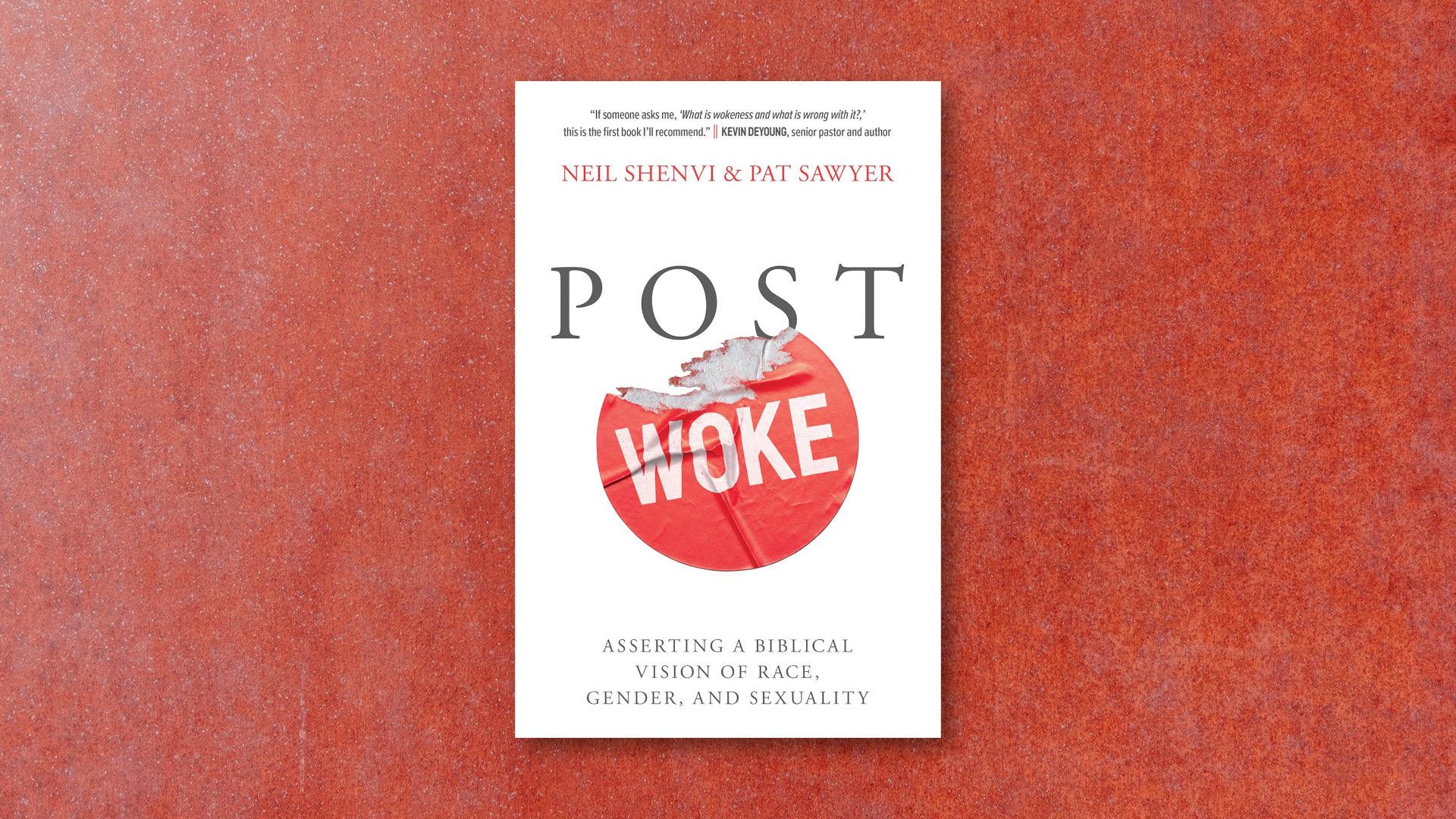
In recent years, few issues have generated as much confusion and concern among evangelicals as those related to “wokeness.” Discussions around “wokeness” generate heat, but evangelicals need more light to provide clarity for anxious conversations about race, sexuality, and power. To that end, Neil Shenvi and Pat Sawyer supply their second offering that engages with critical theory and wokeness.
Their first collaborative effort, Critical Dilemma: The Rise of Critical Theories and Social Justice Ideology—Implications for the Church and Society, received wide acclaim among evangelicals but was geared for an academic readership. This second work, Post Woke: Asserting a Biblical Vision of Race, Gender, and Sexuality, aims for accessibility and practicality.
The authors define the term “woke” nonpejoratively as “the contemporary cultural expression of ideas rooted in the decades-old philosophical and sociological framework of the critical tradition” (22). Though it seems like there’s been a vibe shift, Shenvi and Sawyer see wokeness as an enduring problem for evangelicals and our churches. “Christians,” they write, “should not assume that wokeness will simply vanish” (20). This second volume is therefore intended as a tool to help evangelicals “be hypervigilant in detecting its influence” in the workplace, schools, and churches (21).
Critical Theory’s Continuing Appeal
There’s a growing disaffection with wokeness in popular culture. But it’d be a mistake to think of the vibe shift as the end of contemporary critical theory. As Shenvi and Sawyer demonstrate, wokeness can still thrive from a minority position. Also, the formative effects of a decade of wokeness will take time to undo, which is evident in the political right’s use of similar arguments for different ends.
It’d be a mistake to think of the vibe shift as the end of contemporary critical theory.
Moreover, wokeness won’t simply vanish from our churches, because it wrestles with concerns many evangelicals—especially those motivated by compassion and justice—recognize as legitimate. For example,
[Wokeness] takes racism and sexism seriously. It highlights shameful, but unfortunately very real, episodes in our nation’s past. It calls attention to widespread racial disparities and present-day mistreatment of women. It expresses love and concern for the vulnerable. It repudiates oppression and injustice. It positions itself as compassionate. It fills the spiritual void left by cultural displacement of Christianity. (52)
As Shenvi and Sawyer note, evangelical youth “often find that their education with respect to race and history was deficient. They wake up to real injustices they may not have confronted before” (56). Wokeness seems to address those concerns in novel ways, which is part of what makes it attractive.
Deep Discipleship Needed
Christians need to learn to do more than identify critical theory’s inroads in our culture. Therefore, even as Shenvi and Sawyer expose the intellectual shortcomings of wokeness, they counter it with a robustly biblical vision for race, gender, and sexuality—some of the most divisive topics in our churches. If awareness of critical theory is the primary need, then careful spiritual formation is a close second.
For example, the third item on their list of 15 considerations to prepare for conversations about wokeness is to “know your Bible” and to “study to get a good grasp of systematic theology.” Yet they don’t leave novice theologians on their own: “If systematic doctrinal study of the Bible is brand new to you, start with 107 questions of the Westminster Shorter Catechism. Introduce yourself to the best confessions in church history” (206). This isn’t a boot camp to microwave anti-woke warriors.
If awareness of critical theory is the primary need, then careful spiritual formation is a close second.
A key element of their strategy is exemplified by the sixth item on that same list: “Play the long game” (207). I believe this is the right and wise approach. After all, as they remind readers, we are “not so much trying to win an argument as [we] are trying to win the person” (206). They’re urging deep discipleship over accruing quick wins.
Nevertheless, I’m not sure their advice about slow discipleship will be widely adopted. The battle over the contemporary application of critical theory is part of a bigger cultural problem. In effect, Shenvi and Sawyer are counseling readers to swim against the digital current, which incentivizes impatience and intramural feuding.
Danger of Hypervigilance
Overall, Post Woke offers a solid framework for engaging important cultural issues with charity and precision. However, I remain concerned that their advice to be “hypervigilant in detecting [wokeness’s] influence” may result in misunderstandings among Christians, even by those who are “exceedingly prayerful in understanding the most effective ways to fight it and keep it out of our families and churches” (21).
Critical theory continues to influence our workplaces and institutions in many areas. The purpose of books like Post Woke is to equip people for good works, but a call for hypervigilance may result in well-meaning but excessive criticism against faithful leaders and institutions without a clear path to recovery.
Internet culture never forgets, and it rarely forgives. Post Woke would have benefited from a greater emphasis on how to prayerfully reconcile with institutions and individuals once concerns have been addressed. The book assumes elements of Christian maturity that online culture actively undermines.
As a pastor who often struggles to know when and how to engage specific cultural issues, I’m grateful for Shenvi and Sawyer’s work. The evangelical conversation on wokeness is needed, and it needs to mature through patient study and discussion as we continually evaluate our culture in light of the rich doctrinal heritage of the evangelical tradition. Post Woke will encourage Christians to remain faithful as the conversation around contemporary critical theory matures.








 New Posts (Home)
 ChatBox
 Popular Posts
  Game Zone
 Top PodCasts