covertactionmagazine.com
Mass Incarceration Arose Out of Empire Building Across North America, Carribean and Pacific
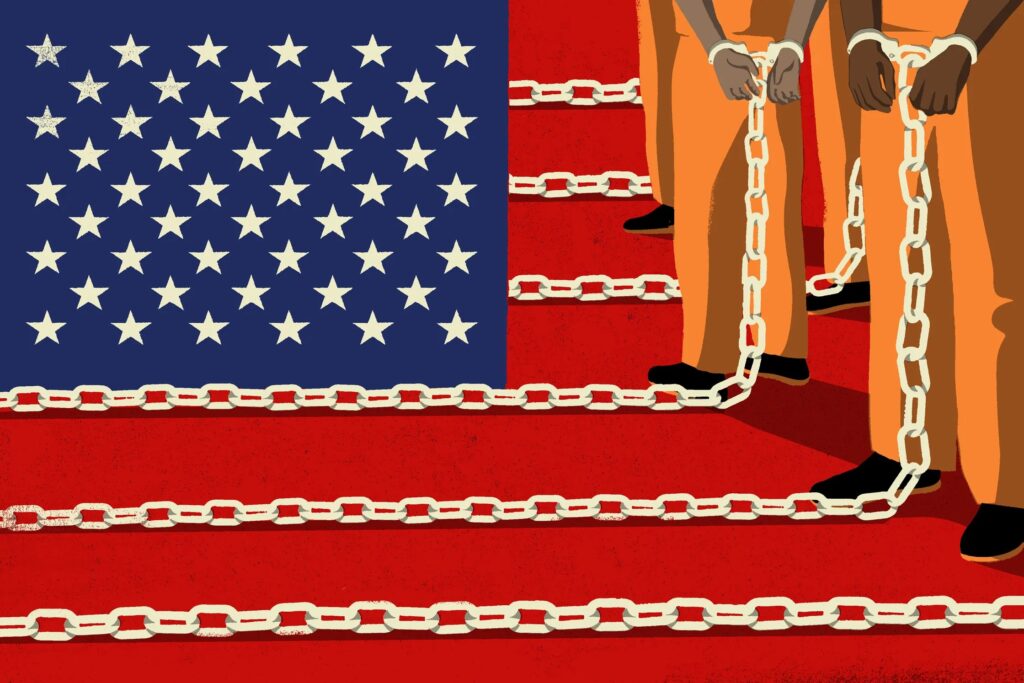
The United States today has by far the world’s largest incarceration rate, with nearly two million people living in prisons and jails. The conditions in those facilities are often substandard, with Amnesty International criticizing the dehumanizing practice of holding prisoners in prolonged solitary confinement. Assistant professor of history [Benjamin] Weber writes of an “unspoken doctrine of prison imperialism” by which U.S. policy makers sought to “govern the globe through the codification and regulation of crime.” Weber adds that, “as prison imperialism expanded outwards, it always returned home producing new forms of social control over the growing number of people ensnared in prison in the United States. The forms of policing and record keeping that gave rise to the surveillance state between World War II and the Cold War were pioneered through overseas colonialism, covert operations and military interventions.” When the U.S. colonized the Philippines at the turn of the 20th century, mass incarceration became a linchpin of counterinsurgency strategy. It was designed to suppress the nationalist rebellion and messianic peasant leaders like Felipe Salvador, a leader of the anti-Spanish resistance. Weber emphasizes that the racial hierarchies and oppressive treatment of captives in colonial wars and inmates in colonial enclaves helped shape the mistreatment of minority groups and left-wing subversives in U.S. jails.
Note: For more along these lines, read our concise summaries of news articles on prison system corruption.
- Covert Action








 New Posts (Home)
 ChatBox
 Popular Posts
  Game Zone
 Top PodCasts