www.optimistdaily.com
Most cancer cases are preventable: the 2 lifestyle habits largely to blame
BY THE OPTIMIST DAILY EDITORIAL TEAM
Cancer often feels like a disease beyond our control, but according to new global research, that isn’t always the case. A significant number of cancer diagnoses could be prevented simply by reducing two common lifestyle habits.
A comprehensive analysis from the World Health Organization (WHO), published in Nature Medicine, estimates that more than one-third of cancer cases worldwide in 2022 were linked to modifiable risk factors. In other words, millions of cases each year are potentially preventable.
“These preventable causes represent one of the most powerful opportunities to reduce the global cancer burden,” said Dr. Isabelle Soerjomataram, medical epidemiologist at WHO and senior author of the study.
What the data shows
Globally, there were nearly 19 million new cancer diagnoses in 2022. According to the WHO analysis, roughly 38 percent of those (around 7.2 million cases) were linked to 30 modifiable risk factors. These include behaviors, exposures, and health conditions that individuals or societies can potentially change or control.
While the list of risk factors is extensive, ranging from occupational exposures to air pollution and infectious diseases, two habits stood out: tobacco use and alcohol consumption.
Smoking remains the top preventable cause
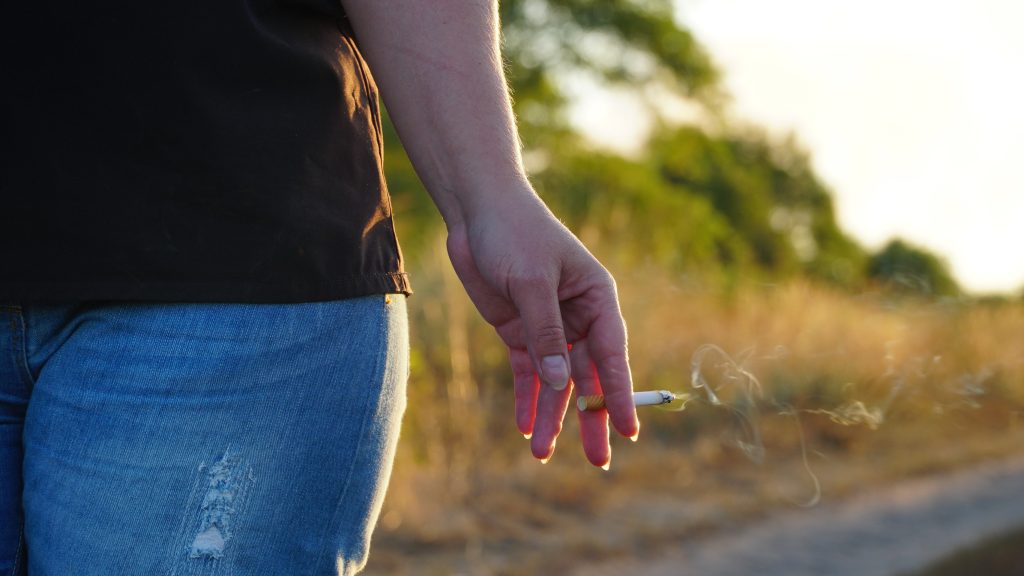
Tobacco use was the single largest contributor to cancer, responsible for 15 percent of all global cases in 2022. Among men, the numbers were even more stark, with smoking linked to 23 percent of all new cancer diagnoses.
Despite decades of public health campaigns, tobacco remains deeply entrenched in many countries, particularly in regions with fewer smoking regulations or access to cessation resources.
Alcohol is a strong second
The second most common lifestyle-related risk was alcohol consumption, which accounted for approximately 3.2 percent of new cancer cases, or about 700,000 cases globally.
While alcohol’s role in cancer risk is often underestimated, it’s now well-established as a carcinogen. Regular or excessive drinking has been linked to cancers of the liver, breast, esophagus, and more.
Environmental and infectious risks still matter
Not all risks are behavioral. The study also found that infections accounted for about 10 percent of global cancer cases. Among women, the largest share was due to high-risk human papillomavirus (HPV) infections, which can lead to cervical cancer. While an effective HPV vaccine exists, access and uptake remain low in many parts of the world.
Air pollution also plays a significant role, especially when it comes to lung cancer. In East Asia, around 15 percent of lung cancer cases in women were linked to poor air quality. In Northern Africa and Western Asia, about 20 percent of lung cancer cases in men were tied to air pollution.
For men, stomach cancer, which is often linked to smoking and infections resulting from overcrowded housing, poor sanitation, and limited clean water access, is also a notable concern.
Why prevention matters now more than ever
The findings underscore how targeted action both at the individual and governmental level can make a meaningful dent in cancer rates.
“By examining patterns across countries and population groups, we can provide governments and individuals with more specific information to help prevent many cancer cases before they start,” said Dr. André Ilbawi, WHO’s team lead for cancer control and a co-author of the study.
Prevention strategies include smoking cessation programs, increased access to vaccines like HPV, better regulation of environmental pollutants, and global education on the risks of alcohol and tobacco.
The path forward: small steps, big impact
While cancer will never be entirely preventable, this new data offers a roadmap for reducing its burden in meaningful ways. By addressing smoking and drinking, two behaviours that we are in control over, we could prevent millions of cancer cases each year.
Public health infrastructure, global cooperation, and personal choice all play a role in that change. The tools exist—we just need to use them.
Did this solution stand out? Share it with a friend or support our mission by becoming an Emissary.The post Most cancer cases are preventable: the 2 lifestyle habits largely to blame first appeared on The Optimist Daily: Making Solutions the News.








 New Posts (Home)
 ChatBox
 Popular Posts
  Game Zone
 Top PodCasts