www.dailywire.com
Bayer Proposes $7.25 Billion Plan To Settle Roundup Cancer Cases
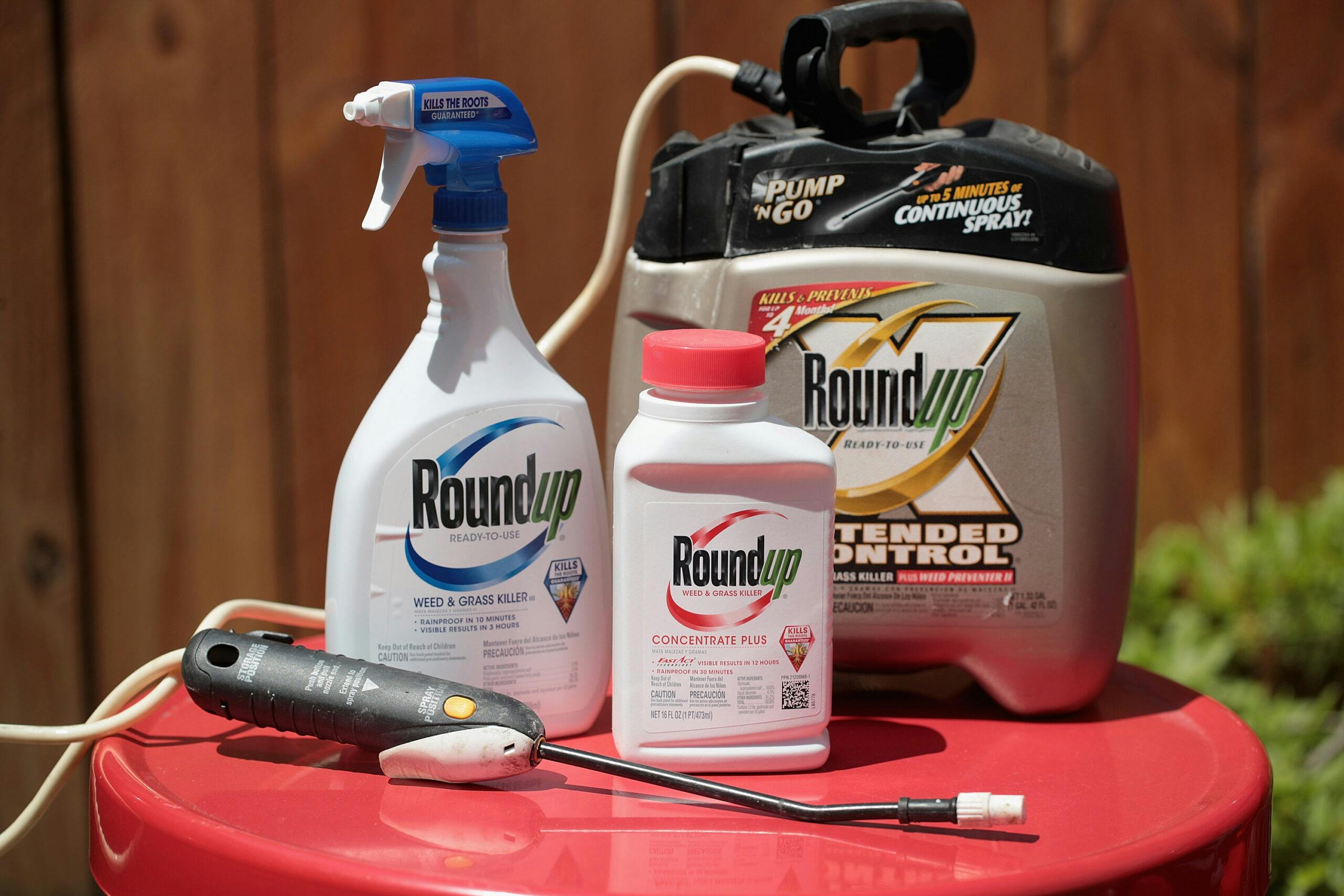
Bayer said on Tuesday its Monsanto unit had reached an agreement worth as much as $7.25 billion to resolve tens of thousands of current and future lawsuits claiming that its Roundup weedkiller caused cancer.
The German company said the proposed nationwide settlement, filed on Tuesday in state court in St. Louis, Missouri, would establish a long-term claims program funded by capped annual payments over up to 21 years.
The company, which acquired Roundup as part of its $63 billion purchase of agrochemical company Monsanto in 2018, is facing claims over Roundup from approximately 65,000 plaintiffs in U.S. state and federal courts.
The plaintiffs say they developed non-Hodgkin lymphoma and other forms of cancer after using the weedkiller, either at home or on the job.
Following the announcement, Bayer shares rose as much as 7.7% to reach their highest level since September 12, 2023. Frankfurt-listed Bayer shares were up 7.2% by 1839 GMT.
Bayer said it expects its provisions and litigation liabilities to rise from 7.8 billion euros ($9.24 billion) to 11.8 billion euros. It anticipates around 5 billion euros in litigation-related payouts in 2026, and now expects negative free cash flow for the year.
Roundup is among the most widely used weedkillers in the United States. Bayer has said decades of studies have shown Roundup and its active ingredient, glyphosate, are safe for human use.
The deal covers the bulk of the lawsuits, but requires a judge’s approval and a minimum number of plaintiffs to opt in. It does not require Bayer to admit liability or wrongdoing and allows the company to back out if too many plaintiffs decline to participate.
It is also designed to head off future lawsuits, and allows people who can prove they have been diagnosed with non-Hodgkin lymphoma and were exposed to Roundup prior to Tuesday to file claims to receive a portion of the settlement up to 21 years from now.
The agreement was negotiated with Motley Rice, Seeger Weiss and other law firms that would represent a nationwide class of plaintiffs, if the court allows the deal to proceed.
Bayer CEO Bill Anderson said on a call with investors and reporters that he is confident the proposed class action settlement will resolve the vast majority of the claims, although he declined to say how many people currently support the deal.
Attorneys who negotiated on behalf of the plaintiffs said the deal represents the best path forward. Payouts will be determined by a tiered system that considers exposure, age at diagnosis and cancer type. Individuals could receive up to $198,000 or more, according to attorney Eric Holland.
The company said it had separately reached confidential settlements to resolve other Roundup cases with specific law firms, although the company would not name the firms or specify the amount of those deals.
Tuesday’s proposed settlement comes after the U.S. Supreme Court agreed to hear an appeal in a case that Bayer argues will sharply limit its liability in the litigation.
The company said the Supreme Court case, scheduled for oral arguments at the end of April, remains essential to resolving the Roundup litigation.
Bayer is arguing that consumers should not be able to sue it under state law for failing to warn that Roundup increases cancer risk because the U.S. Environmental Protection Agency has found no such risk and requires no such warning. Bayer argued that federal law does not allow it to add any warning to the product beyond the EPA-approved label.
A favorable ruling would wipe out several large verdicts that remain on appeal and could also prevent future claims from individuals who choose to opt out of the nationwide settlement.
Bayer investors welcomed news of the proposed settlement but some, like Markus Manns, portfolio manager at Bayer shareholder Union Investment, cautioned it was “not yet the breakthrough that many investors had hoped for.”
“The settlement buys Bayer time, but without a win in the Supreme Court, a new wave of lawsuits could roll over Bayer in a few years,” Manns said.
The company had previously paid about $10 billion to settle most of the Roundup lawsuits that were pending as of 2020, but failed to get a settlement then covering future cases.
It has had a mixed record with cases that have gone to trial. It prevailed in a series of Roundup trials, but has been hit with large jury awards in the past few years, including a $2.1 billion verdict in a case in the U.S. state of Georgia in March.
The verdicts shattered both investor confidence and company hopes that the worst of the Roundup litigation was over, and put pressure on Bayer to find a comprehensive solution to the lawsuits.
(Reporting by Diana Jones and Kirsti Knolle; Additional reporting by Dietrich Knauth; Writing by Linda Pasquini and Friederike Heine; Editing by Alexander Smith, Alexia Garamfalvi and Jan Harvey)








 New Posts (Home)
 ChatBox
 Popular Posts
  Game Zone
 Top PodCasts