www.optimistdaily.com
Single dose of DMT shows promise for treatment-resistant depression in early clinical trial
BY THE OPTIMIST DAILY EDITORIAL TEAM
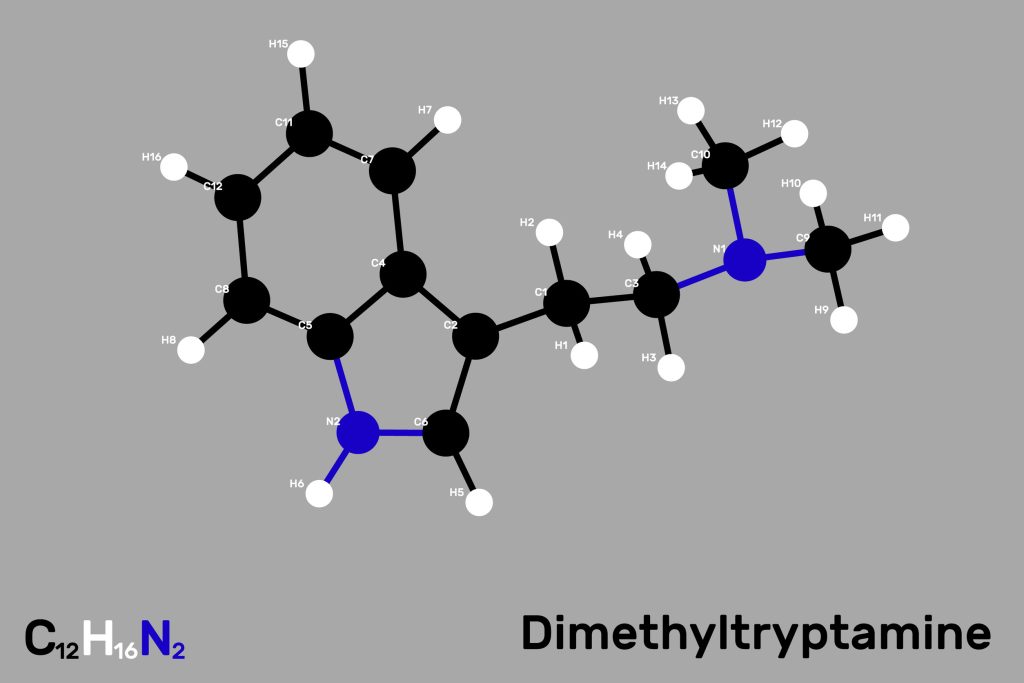
A single, carefully administered dose of the psychedelic compound dimethyltryptamine, better known as DMT, may offer meaningful relief for people living with treatment-resistant depression, according to results from a new clinical trial.
In the small study, published in Nature Medicine, researchers found that when DMT was combined with structured psychotherapy, participants experienced a rapid reduction in depressive symptoms. For some, those improvements lasted up to six months.
“There is an immediate antidepressant effect that is significantly sustained over a three-month period and that’s exciting because this is one session with a drug, embedded in psychological support,” said Dr. David Erritzoe, a psychiatrist at Imperial College London and the study’s lead investigator.
While the findings are preliminary, they add to growing scientific interest in psychedelic-assisted therapy as a potential option for people who do not benefit from conventional antidepressants.
A pressing need for new approaches
An estimated 100 million people worldwide are thought to have treatment-resistant depression, which is defined as major depressive disorder that has not improved after trying at least two antidepressant medications. For many, daily life becomes profoundly disrupted, with roughly half unable to carry out routine activities.
Against that backdrop, researchers are exploring whether psychedelics, when used in controlled clinical settings alongside psychotherapy, might help interrupt entrenched patterns of negative thinking.
The recent trial involved 34 adults with moderate to severe treatment-resistant depression. Half received a single 21.5 milligram intravenous dose of DMT delivered over 10 minutes, while the other half received a placebo infusion. All participants underwent psychotherapy and follow-up evaluations.
Those who received DMT showed significantly greater improvements on a standard depression rating scale compared with the placebo group. The antidepressant effects were sustained for between three and six months.
In a second phase of the trial, all participants were given DMT with therapy. Researchers found no additional benefit among those who ultimately received two doses, suggesting that one session may be sufficient. The trial was designed, funded and sponsored by Cybin UK, a neuropsychiatric company.
How DMT differs from other psychedelics
DMT is a naturally occurring psychedelic compound and a key ingredient in ayahuasca, a ceremonial brew used in parts of South America. At clinical doses, it produces intense and often immersive experiences that can alter a person’s perception of time, space, and self.
Compared with psilocybin, the active compound in so-called “magic mushrooms,” DMT acts more quickly and wears off sooner. The DMT experience typically lasts about 25 minutes, while psilocybin sessions can extend for several hours.
That shorter duration could make DMT-assisted therapy more practical for clinical settings. However, its intensity may require additional support during and immediately after treatment.
Erritzoe describes the psychological effect of psychedelics as temporarily reshaping rigid mental patterns. He likens it to altering a snow-covered mountain landscape: “You redistribute the snow so it’s easier to take new tracks, and at the same time it becomes easier to take new routes because the landscape has been flattened.”
By disrupting habitual pathways of thought, psychedelics may help patients engage more effectively with therapy and explore new perspectives.
Momentum (and caution) in psychedelic research
The DMT findings follow encouraging results from trials of psilocybin for depression, raising the possibility that psychedelic-assisted treatments could eventually gain regulatory approval.
If approved in the United Kingdom, however, such therapies would likely be available initially through private clinics, according to Dr. James Rucker, a consultant psychiatrist at King’s College London who worked on psilocybin research.
“Quite how these drugs will fit in this world of financial austerity, stigma and opprobrium towards anything that has the word psychoactive in it, I don’t know,” Rucker said. “It’s interesting to be a part of, but I can’t call it.”
Concerns about commercialization and patient safety have already prompted discussion. Last year, the Feilding Commission was established to help guide the ethical and equitable rollout of psychedelic-assisted therapies, amid fears that profit-driven models could compromise care standards.
What comes next?
Researchers stress that larger trials are needed before firm conclusions can be drawn. Psychedelic treatments remain tightly regulated, and their long-term safety and effectiveness must be thoroughly evaluated.
Still, for individuals living with depression that has resisted existing options, the possibility of meaningful relief from a single, supervised session offers cautious optimism.
As science continues to examine these once-marginalized compounds, the focus remains on rigorous research and on ensuring that any future treatments are delivered safely, ethically, and with appropriate psychological support.
Source study: Nature Medicine—A short-acting psychedelic intervention for major depressive disorder: a phase IIa randomized placebo-controlled trial
Did this solution stand out? Share it with a friend or support our mission by becoming an Emissary.The post Single dose of DMT shows promise for treatment-resistant depression in early clinical trial first appeared on The Optimist Daily: Making Solutions the News.








 New Posts (Home)
 ChatBox
 Popular Posts
  Game Zone
 Top PodCasts