www.upworthy.com
Researchers dug beneath a 2,400-year-old tree and were shocked by the treasures they found
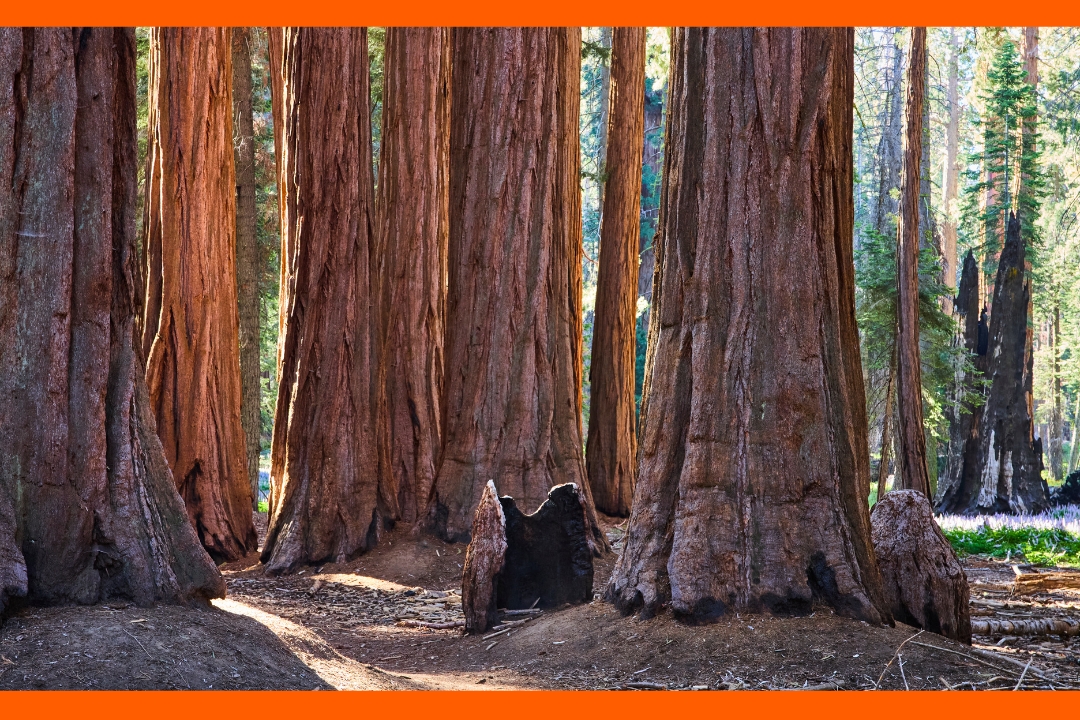
Close your eyes and let your imagination take you to the seaside coast of the southern Chilean rainforest. Now picture a giant cypress tree—an alerce, to be exact—thought to be a relative of the giant sequoia of North America. Beneath it is where the magic happens.
Researchers have unearthed a massive number—more than 300—of fungal species beneath one of these trees. While scientists already knew about the symbiosis between trees and fungi, they were shocked to find so many different types of fungi in a single soil sample. What this means for the ecosystem could be groundbreaking and, at the very least, supportive of the Darwinian view that the fittest species survive.
View this post on Instagram
The alerce tree
According to writer Helen Pilcher’s article in Discover Wildlife, these trees are not only enormous, they can grow to be thousands of years old: “These slow-growing trees can grow as tall as the Arc de Triomphe, and as wide as a shipping container. Renowned for their longevity, some individuals have lived for over 3,600 years, making Alerce the second-longest-lived tree species on Earth.”
The tree that is especially exciting to researchers in this study is called Alerce Abuelo. This individual, whose soil was studied alongside that of 31 other trees by researchers in Biodiversity and Conservation, is approximately 2,400 years old.
How it works
Pilcher explains the partnership: “These mycorrhizal fungi funnel water and nutrients into the tree roots, and help the plants to fight stressors, such as drought and pathogens. In exchange, the trees feed their fungal partners with sugars, fuelling the growth of underground networks that help shunt carbon into the soil.”
On the National Park Service’s website, they also explain how mutually beneficial these relationships can be: “Mycorrhizal fungi form a mutualistic relationship with the Redwoods and other plants in the forest. A mutualistic relationship is when both organisms benefit. The fungi will combine their mycelium with the tree’s roots. As a result, the fungi make it easier for the trees to get more nutrients and moisture from the soil, and the fungi get access to sugars from the trees.”
Why it matters
At a time when many people are concerned about climate change happening at an alarming rate, this doubling of fungal species is promising. Pilcher reiterates how exciting it was that one tree had so many fungal species: “In addition, the fungal richness under Alerce Abuelo was more than two times greater than in any other sample. The study highlights the importance of protecting these older, bigger trees.”
Pilcher also cites Adriana Correlaes, field science lead at the Society for the Protection of Underground Networks (SPUN), who exclaimed, “All that diversity means resilience.”
The Nature Conservancy further explains how important it is to have thriving, healthy trees for a number of reasons: “Through photosynthesis, trees absorb carbon dioxide from the air and store it in its wood. Trees and plants will store this carbon dioxide throughout their lives, helping slow the gas’s buildup in our atmosphere that has been rapidly warming our planet.”
The post Researchers dug beneath a 2,400-year-old tree and were shocked by the treasures they found appeared first on Upworthy.








 New Posts (Home)
 ChatBox
 Popular Posts
  Game Zone
 Top PodCasts