www.upworthy.com
Psychologist uncovers the unexpected reason we procrastinate and the trick to stopping it
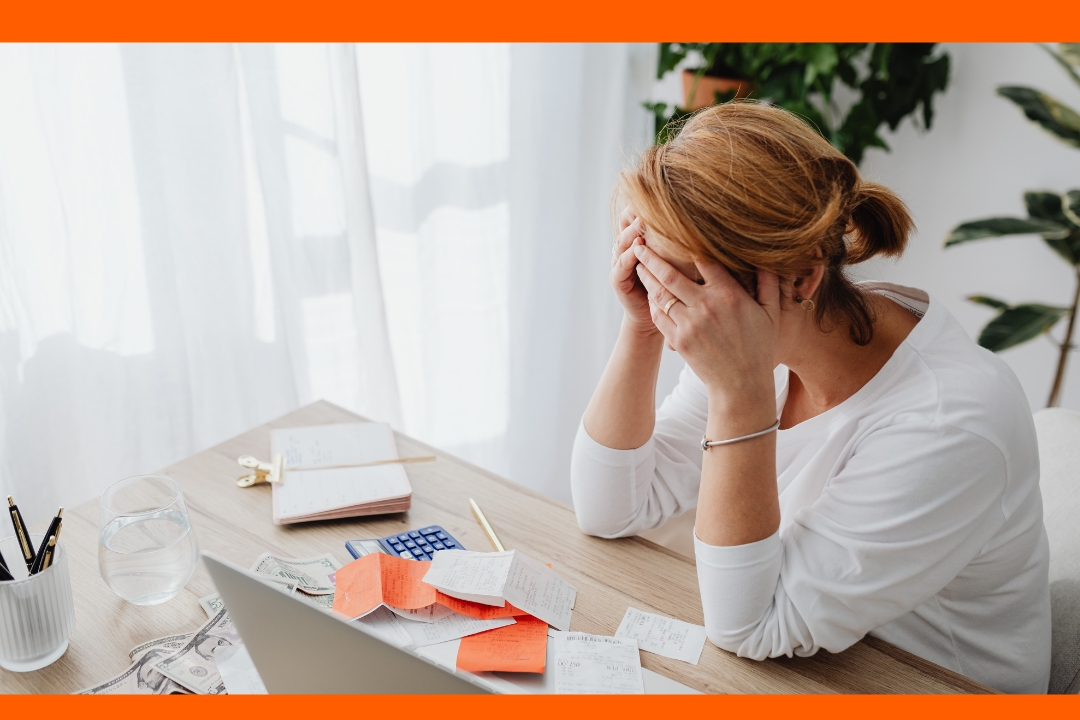
Procrastination is more common than some might think. In fact, according to an article by Forbes senior contributor Bryan Robinson, more than 78 percent of working people procrastinate even though “it makes them anxious.” Some think it’s due to laziness, while others believe the anxiety itself creates a loop: they’re too anxious to get a task done, but not getting it done makes them even more anxious.
However, one theory behind why people procrastinate turns the whole “laziness” argument on its head.
Dr. Rick Hanson, a psychologist, shares a fascinating idea. In a comment attached to a clip posted on Instagram, he offers an entirely different view: “Procrastination is rarely about laziness or poor time management. It is more often something much more subtle. If I finish this, then what? If the pile disappears, who am I without it?”
View this post on Instagram A post shared by Rick Hanson (@rickhansonphd)
He explains how having something that still needs to be tackled can feel like “proof” that we matter.
“Unfinished tasks can start to feel like proof that we’re busy, needed, in motion. They create a kind of background hum of identity. As long as something is pending, we’re still becoming. Still almost there.”
The fear of not existing
In the video, Hanson says people procrastinate “even when there are no obstructions to completing something, because sometimes they’re kind of afraid, almost at a deep level, that if they complete things, they’ll disappear. There will be almost no more basis for being. It’s the incomplete cycles in their life—the unfinished tasks, the various piles here or there—that almost give them a sense of psychological substance and existence.”
Hanson has ways to address this, and the first is to truly examine your motivations (or seemingly lack thereof).
“Look closely and ask yourself, ‘Is this really true? Do I go on existing because I have a number of undone tasks that I’m going to get to tomorrow or eventually? Is that why I keep on existing?’ Well, no. And notice the ways you can go on being. Or you have others you know who complete a lot of things, and they continue to exist just fine and really, quite happily.”
He says we must rewrite our inner monologue.
“Gradually realize for yourself, ‘Oh, I can complete these various tasks. And they then disappear from my life, understandably. I took care of it. And I’m still here, having a good time. And getting ready to accomplish the next important thing.'”
View this post on Instagram
The need to be busy
Upworthy spoke with Cort M. Dorn-Medeiros, a professional counselor and addiction specialist, who first noted that there are many real reasons people might procrastinate.
“Fear of failure, doubts about self-worth, perfectionist tendencies, emotional avoidance, and potential diagnoses such as attention-deficit-hyperactivity disorder (ADHD) or generalized anxiety disorder (GAD).”
That said, he does give credence to Hanson’s idea as well.
“We have strong cultural messaging that if we are not doing something, if we are not being productive, then we are not useful. All of our human value lies in the ‘doing’ rather than the ‘being.’ A lot of this is derived from Internet-based hustle culture, where speed is prioritized above all else. Do more, make more money, and do it faster and faster.
If we are left with nothing to do, then we are left sitting with our own thoughts and feelings. Procrastination is a good way to unconsciously avoid sitting with our feelings. If we are constantly focused on our to-do list and maintain it in a way that prevents progress by crossing things off, we manage our anxiety about ‘being’ rather than ‘doing.'”
View this post on Instagram
Matthew Baker, LCSW, tells Upworthy it’s all about avoidance.
“Procrastination is almost always about avoiding something uncomfortable. For some people, finishing a project is what becomes the problem, not starting it. This is often because the brain gets rewarded from simply planning and organizing, even without actually doing anything. So some people avoid completing tasks because they’re already getting a sense of satisfaction from planning, and finishing means that this dopamine stream just…stops.”
The post Psychologist uncovers the unexpected reason we procrastinate and the trick to stopping it appeared first on Upworthy.








 New Posts (Home)
 ChatBox
 Popular Posts
  Game Zone
 Top PodCasts