www.dailywire.com
The Next Box Office Boom Is Here And It Looks Nothing Like Marvel
The MCU is yesterday’s news. The NCU, or Nintendo Cinematic Universe, is just beginning.
Ever since Robert Downey Jr. tinkered with that iron suit back in 2008, Marvel movies have dominated Hollywood. “Iron Man” changed the movie-making landscape. In recent years, however, superhero romps no longer light up the box office like they once did.
Even “Superman” struggled to turn a profit last year.
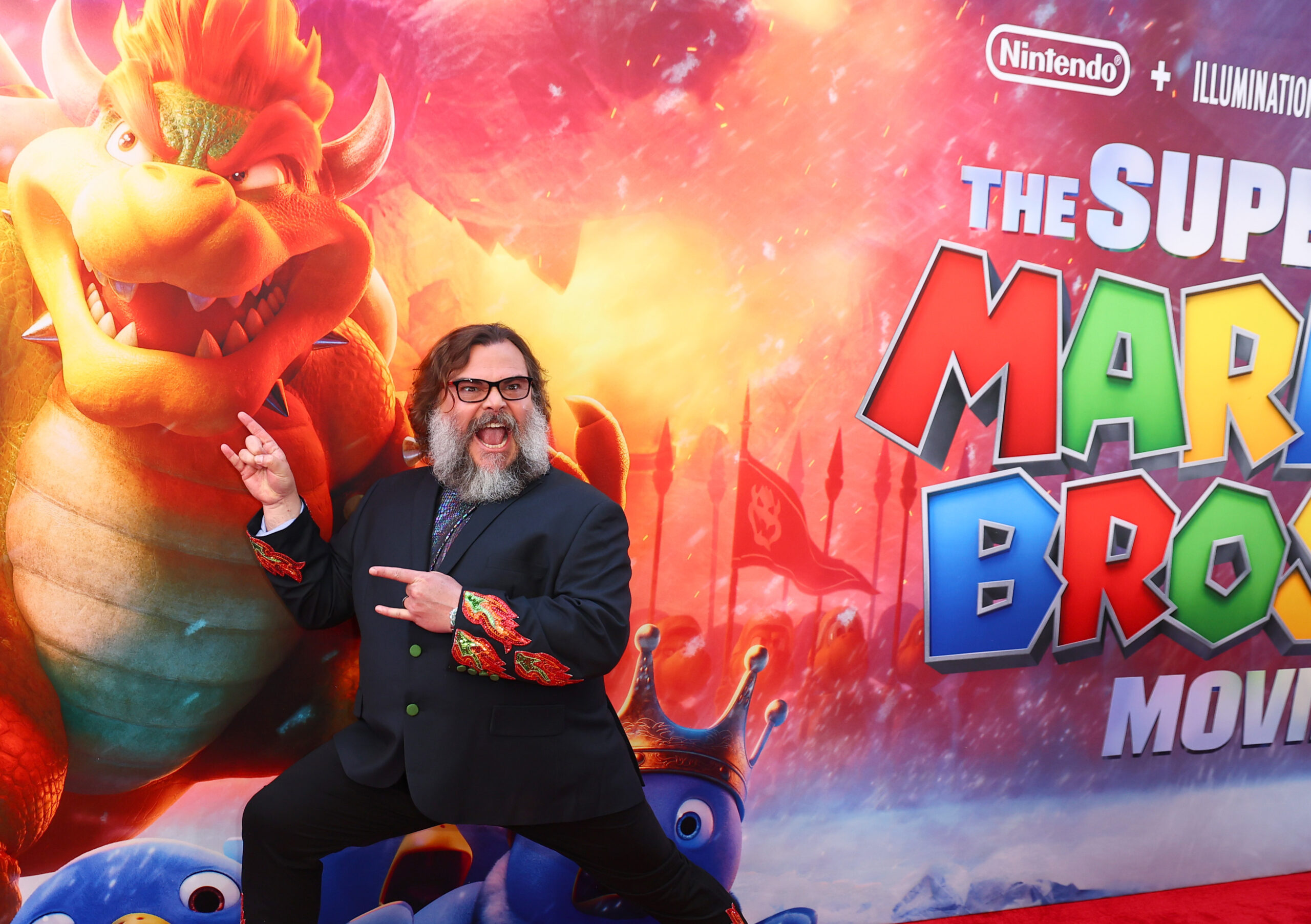
Meanwhile, “The Super Mario Galaxy Movie” spun from Nintendo’s beloved video game franchise, could make $180 million (or more) in its opening weekend.
Video game movies are having a moment, and Hollywood won’t be the same moving forward.
Tomohiro Ohsumi/Getty Images for Universal Pictures, Nintendo and Illumination
The superhero film genre may have run its course organically, but Hollywood hastened its decline. The genre peaked with 2019’s “Avengers: Endgame,” which made an astonishing $2.8 billion worldwide.
It’s been downhill ever since, with MCU gatekeepers injecting girlbossery and DEI platitudes into the saga. That helped crush “The Marvels” and “Eternals,” while slowing the MCU’s winning streak.
Even respectable entries like last year’s “Thunderbolts” and “The Fantastic Four: First Steps” proved financially underwhelming, at least by previous standards.
So Hollywood needed another source of IP (Intellectual Property) gold. Why not video games? Well, Hollywood had tried that repeatedly, often with ghastly results.
Think 1993’s “Super Mario Bros.,” a colossal misfire starring John Leguizamo and Bob Hoskins, 1999’s “Wing Commander” bust, and even 2005’s “Doom” with Dwayne Johnson.
Andreas Rentz/Getty Images
More clunkers? The 2005 catastrophe “Alone in the Dark” and 2003’s “House of the Dead,” both courtesy of hack auteur Uwe Boll.
Something was missing, be it A-list actors, competent directors, or the kind of FX to pull off the visually impossible.
Slowly, Hollywood began treating video game adaptations with a critical element — respect. The 2018 film “Rampage” wasn’t a sensation, but by then Johnson was a star attraction, and the film’s budget gave it the gravitas the source material required.
The 2021 comedy “Free Guy” cast likable Ryan Reynolds as an NPC (non-player character) in way over his head. The film packed big laughs with video game elements to the tune of $331 million worldwide.
Reynolds may be gently progressive off-screen, but he knows how to put on a show without pushing Heartland viewers away. Few actors can match his marketing savvy.
The “Sonic the Hedgehog” films, based on the Sega speedster, have all made serious coin, aided by slick video game elements and the unchecked Id of star Jim Carrey.
Rich Fury/WireImage via Getty Images
Another secret to video game movies’ recent success? Respecting the audience. These films haven’t pushed a progressive agenda on unsuspecting audiences. No lectures, unnecessary woke asides, or clunky identity politics casting.
Even Snoop Dogg can watch these mostly PG-friendly films with his grandson.
The new wave of video game-inspired films, while far from artistically relevant, cater to fans via Easter Eggs and other source material nods. And, when the fans speak, they listen.
Recall the outrage over the character design shown in the initial “Sonic the Hedgehog” teaser from 2019. Fans mocked the FX behind the titular hero, and the studio quickly addressed the matter by tweaking the film.
That probably cost a pretty penny, and it pushed the release date forward several months. The results spoke for themselves. The film earned $148 million in the U.S. alone and sparked a new franchise.
A fourth “Sonic” film will debut next year, adding A-lister Kristen Bell to the saga (her voice, to be precise).
Video game adaptations were suddenly vital, but they still couldn’t approach MCU-like box office grosses. Then along came “The Super Mario Bros. Movie” in 2023. That animated romp rang up $1.3 billion at global theaters, cementing video game movies as the new Hollywood drug.
The industry couldn’t get enough, and that was before “A Minecraft Movie” debuted two years later. That film, starring Jack Black and Jason Momoa, earned $424 million stateside and nearly $1 billion globally.
A sequel is in the works. Of course.
Courtesy Warner Bros. Pictures. Copyright 2025 Warner Bros. Entertainment Inc. IMDB.
That film’s “chicken jockey” sequence sparked a viral video sensation. Not only were Gen Alpha types seeing the film in theaters, but they went cartoonishly wild during that farcical moment.
Suddenly, it was cool to be in a theater again. Hollywood is now paying full attention to a competing media landscape, and many more video game adaptations are on the way. This May brings us “Mortal Kombat II,” while a “Resident Evil” reboot by “Weapons” director Zach Cregger is coming in September.
Bigger titles abound in 2027, including “The Legend of Zelda,” “Call of Duty,” and “Elden Ring.” Any one could spark a new film franchise. Maybe all three will do just that.
The potential seems endless, at least for now. The same once could be said for superhero movies given the endless amount of source material, but the MCU is so desperate for a cultural reboot that it reunited virtually every hero under the sun for December’s “Avengers: Doomsday.”
Can that film light a fire under the Men in Tights genre anew? Or have video games taken the box office crown and won’t give it back?
Movies are a natural fit for video game adaptations, but the small screen is also seeing a benefit. Hit shows like HBO Max’s “The Last of Us” and Prime Video’s “Fallout” show how games can also inspire TV sensations.
The video game manufacturers couldn’t be happier about the Hollywood synergy. It’s boosting both game awareness and sales, meaning these companies will gladly sell the film and TV rights to their properties … for the right price.
It’s one Hollywood studios will gladly pay.
* *
Christian Toto is an award-winning journalist, movie critic, and editor of HollywoodInToto.com. He previously served as associate editor with Breitbart News’ Big Hollywood. Follow him at HollywoodInToto.com.








 New Posts (Home)
 ChatBox
 Popular Posts
  Game Zone
 Top PodCasts