www.dailywire.com
Trump Issues The Most Blistering Ultimatum To Iran In History
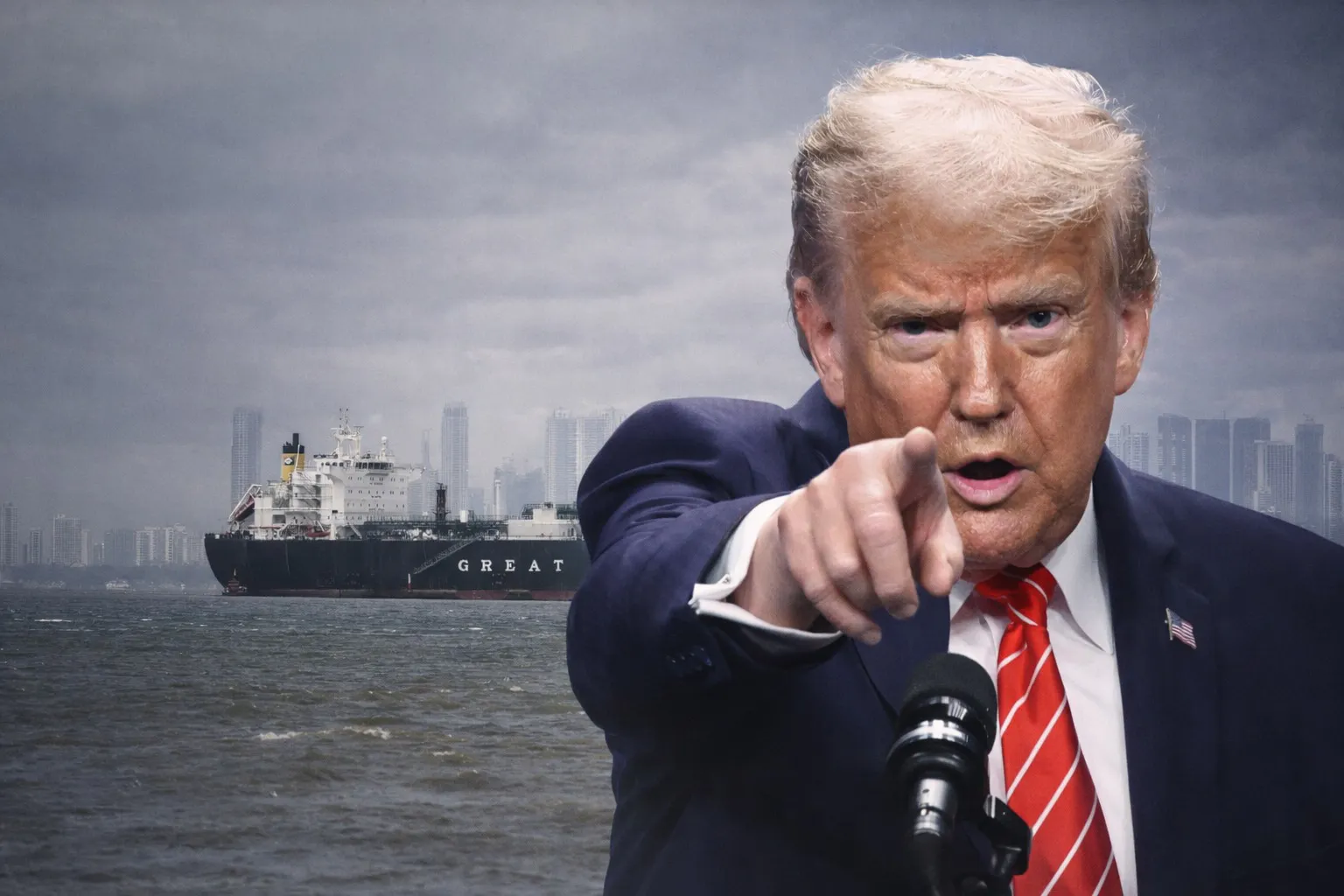
On Easter morning, President Trump issued perhaps the strongest threat to the despotic Iranian regime that he has ever put forth, as he warned they had better open the Strait of Hormuz.
“Tuesday will be Power Plant Day, and Bridge Day, all wrapped up in one, in Iran,” Trump stated clearly targeting those vital infrastructure pillars. “There will be nothing like it!!! Open the F**kin’ Strait, you crazy bastards, or you’ll be living in Hell – JUST WATCH! Praise be to Allah. President DONALD J. TRUMP.”
https://truthsocial.com/@realDonaldTrump/posts/116351998782539414
In mid-March, Iran claimed to have formally closed the Strait of Hormuz, which is a 21-mile-wide chokepoint through which toughly 20% of the world’s oil flows.
On March 21, Trump warned, “If Iran doesn’t FULLY OPEN, WITHOUT THREAT, the Strait of Hormuz, within 48 HOURS from this exact point in time, the United States of America will hit and obliterate their various POWER PLANTS, STARTING WITH THE BIGGEST ONE FIRST!”
The West has viewed the Strait of Hormuz as a non-negotiable strategic priority, consistently meeting Iranian threats with a policy of “freedom of navigation” enforced by military might. The precedent for this response was firmly established during the “Tanker War” (1984–1988). When Iran began mining the waterway and attacking commercial vessels, the U.S. launched Operation Earnest Will, reflagging Kuwaiti tankers and providing direct naval escorts to ensure global oil flows remained uninterrupted.
Whenever Tehran utilized the Strait as a “bargaining chip” to protest sanctions—most notably in 2011 and 2019—the U.S. and its allies responded by deploying massive carrier strike groups and forming international maritime constructs (such as Operation Sentinel).
The legal basis for these responses has consistently relied on the UN Convention on the Law of the Sea, which limits sovereign interference in international transit. Historically, any Iranian attempt to disrupt the roughly 20% of the world’s oil supply has been characterized by the West not merely as a regional dispute, but as a global economic provocation that justifies direct military intervention against Iranian naval infrastructure.








 New Posts (Home)
 ChatBox
 Popular Posts
  Game Zone
 Top PodCasts