www.upworthy.com
Is it rude not to share a family recipe? Here’s how to decline the right way.
The office potluck was a success! People went back for seconds; someone joked about licking the pan (and actually got a few laughs). And now you find yourself in the kitchen, alone with your overeager coworker, her phone already out and eyes bright with a burgeoning question.
“That short rib. I need the recipe.”
She means it with her whole heart. She loved it and probably wants to make it for her family on Christmas Eve, or on the first cold night that feels like an excuse to stick something in the oven for hours. The warmth in her voice is so real.
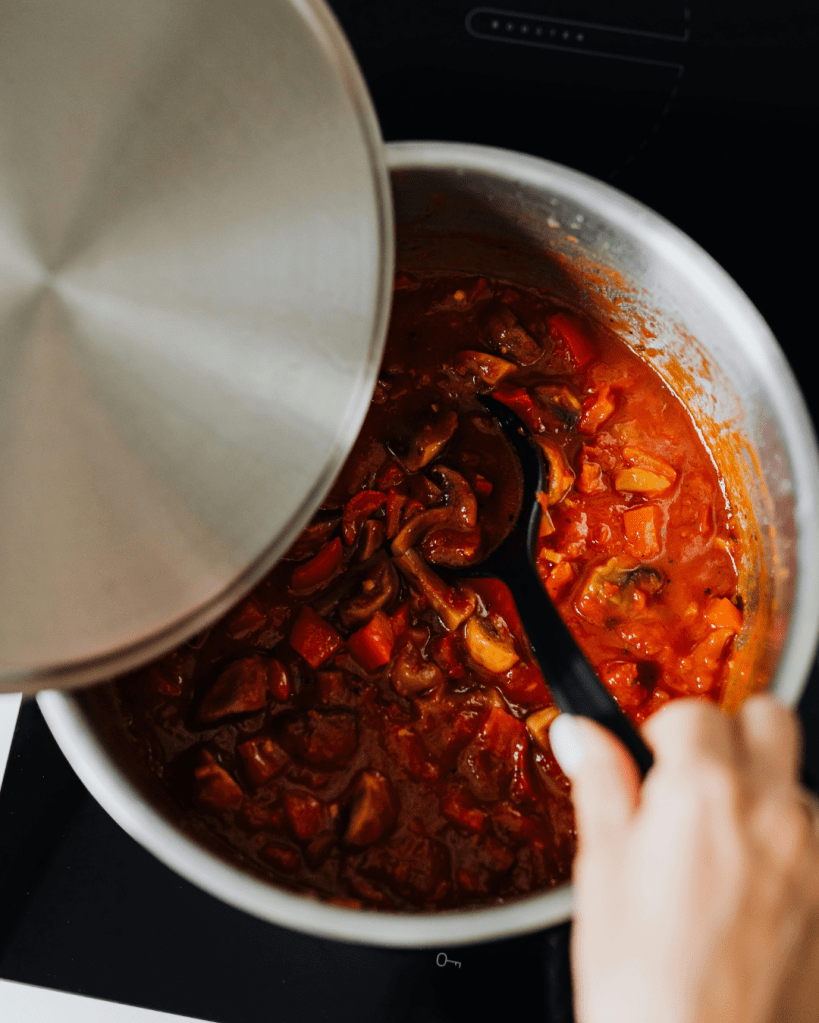
It’s more than a recipe. Photo credit: Canva
And so is the tiny knot in your stomach. This recipe means something to you—it was passed down from your grandma, you got it from an esoteric cookbook online, or you invented it yourself—and right now, you don’t want to share it.
Here’s the truth: keeping a recipe to yourself isn’t rude. It’s not selfish or petty, nor is it a power move. You know how to share. But more importantly, you know when not to.
When it comes to family recipes—or any recipes, for that matter—there are countless ways to protect your peace.
Let’s get into it.
More than a recipe
Think about a specific spice: how does it smell? Where does it show up in your memory? Maybe it’s cardamom in December, folded into the sweet, enriched dough of Swedish Christmas braids, or dried chiles toasting in a pan.
That act of remembering is powerful and all-encompassing. It represents many things: a place, a person, an era of your life. Food scholars argue that this is exactly what recipes are built to do: carry culture in the body through smell, muscle memory, and repetition. Recipes live within us, not only on the page.
New York University food scholar Krishnendu Ray has observed that, for most of human history, food knowledge was traditionally passed down in close physical proximity (e.g., grandmother to grandchild). And it’s this intimacy—a shared moment between two people—that gives a recipe its meaning, just as much as its ingredients.
“Caregiving comes at a cost. Whenever there is a labor of love, there is also a labor of resentment.” – Krishnendu Ray
This is why sociologists describe family recipes as a form of cultural capital, a resource tied to identity, memory, and belonging. To hold that recipe is to hold a piece of a transmission chain: an artifact of care, repetition, and survival.
Cooking it for someone else adds another layer of complexity. The French sociologist Marcel Mauss argued that a gift is never just a gift; it creates an ongoing bond between giver and receiver. A dish cooked for others already works that way. When someone asks for the recipe on top of that, they’re asking for the gift to be extended: not just the meal, but the means to carry it forward. That’s a meaningful escalation, even when it’s asked warmly, which is exactly why your coworker’s question, however kind, however well-meant, can land as so much more than a simple request.
How to say “no” and still be kind about it
Here’s something etiquette experts agree on: the problem is almost never the “no.” A refusal delivered with warmth, gratitude, and a clear boundary is never rude. In some cases, it’s the kindest thing you can offer because it’s honest.
The following strategies offer five different ways to refuse requests for family recipes with grace.
Start with real gratitude
The ask is a compliment: someone loved what you made so much that they now want it on their own table, with their own people. That’s beautiful. Honor that.
A simple script:
“I’m so glad you liked it! That means a lot to me. But the recipe is a family tradition I keep private.”
Full stop. No nervous laugh, no extra spiral of “I’m so weird, sorry.” Warm, clear, closed.
If you explain, keep it short and specific
You don’t owe anyone a backstory. But if you want to offer one, a single concrete line can make it clear that the “no” revolves around what the recipe means to you, not your opinion of the other person.
For example:
“My aunt spent years perfecting this and made us promise to keep it in the family.”
“It’s one of the few things we have left from my grandmother’s kitchen. Keeping it private helps me feel close to her.”
People can sit with disappointment and still respect a story. The key is brevity: you’re offering context, not building a legal case.
Share the “vibe,” not the blueprint
Sometimes, they don’t even want the recipe, but they are looking for cooking tips. In those cases, you can share little snippets without handing over the entire thing: a key ingredient, a basic technique, or how you approach spices.
For example:
“I don’t share the full recipe, but I can tell you the essentials. It starts with sautéed garlic, and the real magic is how low and slow you go.”
You’re not giving away the recipe. You are simply pointing in the right direction and letting them explore on their own.
Instead of sharing the recipe, forge connection in other ways. Photo credit: Canva
Offer a different kind of “yes”
If you feel comfortable, find a different way to connect. You can invite them into the process instead:
“I can’t give you the recipe, but I’d love to make it together sometime.”
“I don’t share this one, but I’ll bring it to every potluck we have. Consider me your short rib supplier.”
Those lines tend to land well because they’re both generous and specific. The boundary stays intact, and the relationship feels even warmer.
Stay gentle, even if they keep asking
Some people will circle back. Not because they’re trying to bulldoze you, but because they really want to know how to make that dish.
It’s natural to want to come up with new reasons each time, but that can sound like negotiating, which invites even more pushing.
Instead, try a kind, consistent repeat:
“Still keeping that one close, I’m afraid. But truly, I appreciate you asking.”
“You’re persistent! Thank you, I’ll take it as a compliment. But the answer’s still no.”
Said with a real smile, that’s a firmly closed door.
Some things were never meant to be shared
Keeping your cherished family recipe private isn’t selfish. This is what it looks like when food, memories, and shared history travel between people who love each other.
And a quick note to the person who was told no: this was almost certainly never about you. It’s lovely that you asked, but don’t take it personally. There’s something much older than this conversation at play, something that existed long before you tried that dish and will exist long after.
What matters is that the ask was kind, and the “no” was kind. Neither of you did anything wrong. Besides, the goal was never really the recipe. It was to stay close to the person who made it.
The post Is it rude not to share a family recipe? Here’s how to decline the right way. appeared first on Upworthy.








 New Posts (Home)
 ChatBox
 Popular Posts
  Game Zone
 Top PodCasts