www.upworthy.com
A Bolivian tribe has nearly zero dementia. Scientists say our specific lifestyle is why we don’t.
When CNN’s Dr. Sanjay Gupta traveled deep into the Bolivian Amazon to spend time with the Tsimané people, he wasn’t expecting to find a population that had essentially solved one of modern medicine’s hardest problems. But that’s close to what he found.
The Tsimané, an indigenous group of roughly 17,000 people living in the lowland jungle near the Bolivian Amazon, have a dementia rate of approximately 1 percent. Among Americans 65 and older, that figure is around 11 percent. Researchers who have studied the Tsimané extensively through peer-reviewed work published in the journals PNAS and Alzheimer’s & Dementia say the gap isn’t genetic luck. It’s lifestyle.
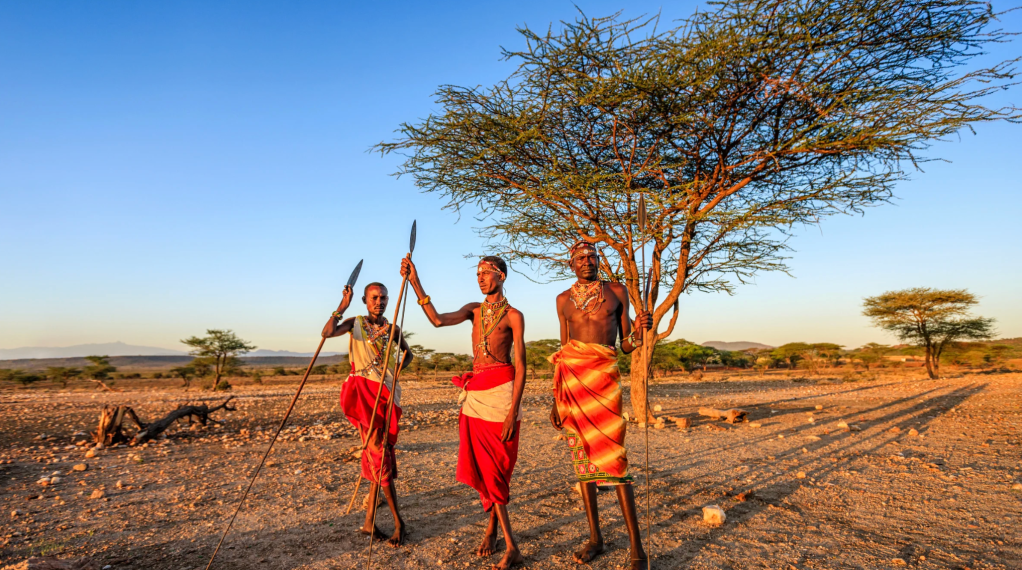
Members of a Bolivian tribe take a break at sunset. Photo credit: Canva
The Tsimané don’t have a wellness plan. They have a life. An average member of the community walks around 17,000 steps per day, not on a treadmill but out of necessity in order to do the fishing, farming, hunting, and foraging in the forest around them. Their diet is roughly 70 percent complex carbohydrates, primarily plantains, cassava, rice, and corn, with around 15 percent fats and 15 percent protein. Processed food, added sugars, and added salts are largely absent. Their diet is dense in fiber and micronutrients like selenium, potassium, and magnesium.
They also practice intermittent fasting, but not as a trend but because food availability has natural limits. They sleep on a consistent schedule. They spend most of their waking hours physically active.
“This ideal set of conditions for disease prevention prompts us to consider whether our industrialized lifestyles increase our risk of disease,” Dr. Andrei Irimia, an associate professor at the University of Southern California who led one of the major studies, told researchers.
The contrast with American life is stark. A study published in the BMJ found that 60 percent of Americans’ daily caloric intake comes from ultra-processed foods. For children, registered dietitian Ilana Muhlstein told Fox News Digital, that figure climbs above 70 percent. The Tsimané’s cardiovascular health, separately documented in The Lancet, is similarly remarkable with some of the lowest rates of coronary artery disease ever recorded in any population.
None of this means moving to the Bolivian jungle is the answer. The Tsimané face real hardships that come with their lifestyle, including limited access to medical care for acute conditions. But researchers are increasingly clear that the chronic disease burden plaguing industrialized nations isn’t inevitable. It’s a product of specific choices about food, movement, and how we structure daily life that we’ve collectively made and could, at least in part, collectively unmake.
The Tsimané didn’t design a diet. They just never stopped moving, and never started eating processed food. The results, it turns out, are remarkable.
The post A Bolivian tribe has nearly zero dementia. Scientists say our specific lifestyle is why we don’t. appeared first on Upworthy.








 New Posts (Home)
 ChatBox
 Popular Posts
  Game Zone
 Top PodCasts