www.optimistdaily.com
8 sky events all stargazers should catch this month
BY THE OPTIMIST DAILY EDITORIAL TEAM
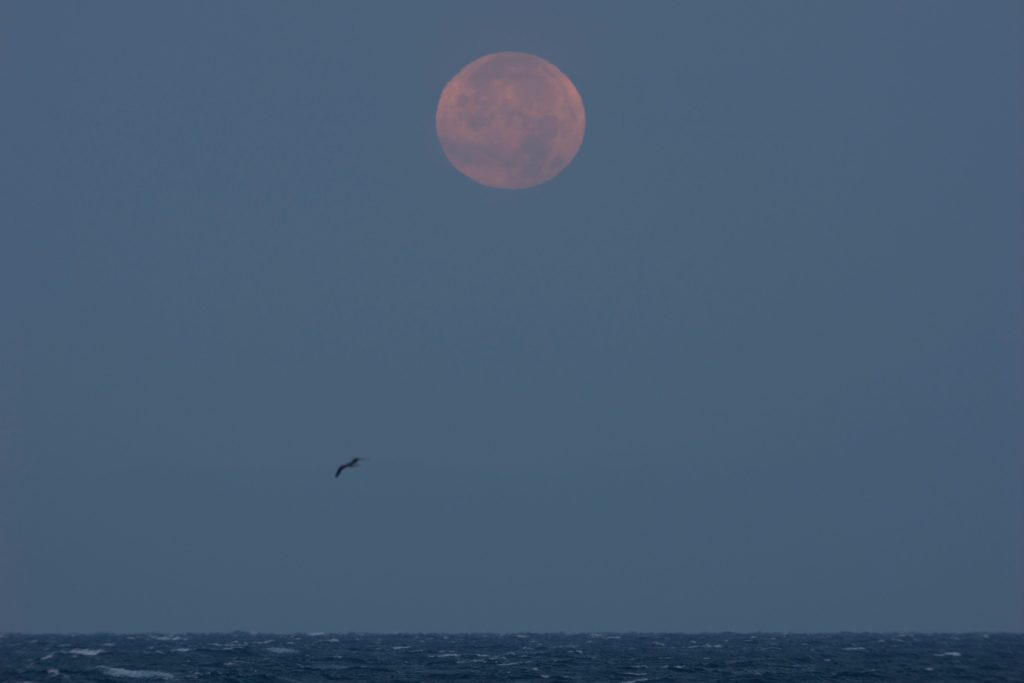
The flower moon came and went on May 1. Most of what makes this month interesting is still ahead.
This week: the Eta Aquarids
The Eta Aquarids run from late April through late May, but their peak falls overnight on May 5 and 6. They’re fast, bright, and known for long glowing trails, which makes them more satisfying to watch than a lot of showers. Under dark skies, you can see a few dozen per hour at peak. The Southern Hemisphere gets better rates than the Northern, but it’s worth going out either way.
The catch this year is the moon. It’s in its waning gibbous phase, which will wash out anything faint. The best window is the pre-dawn hours, when the radiant point in Aquarius is highest, and the moon has dropped lower in the sky. It takes twenty minutes for your eyes to adjust. Face east, and stay away from streetlights.
May 12 to 13: a planetary lineup at dawn
Step outside about an hour before sunrise on May 12th or 13th and look east. Mars, Saturn, and the crescent moon are nearly in line just above the horizon. By May 14th, the moon has thinned to a sliver, and the three objects shift into a loose pyramid shape. A clear, low horizon helps here, a hilltop or a lakeshore if you have one nearby.
May 16: the darkest sky of the month
There will be no moon on May 16. Pair that with a genuinely dark location, somewhere the city glow isn’t flooding the horizon, and the Milky Way core will be clearer than it’s been all year so far. It rises around 11 p.m., depending on latitude, and stays up through the early morning.
It is also the best night of the month for telescope work on faint objects. The Whirlpool Galaxy is near the handle of the Big Dipper; the Sombrero Galaxy sits close to the bright star Spica. Both are worth finding.
May 18: Venus, the moon, and two more planets at sunset
After sunset on May 18, look west. The crescent moon and Venus will be close together above the horizon, bright enough to find before the sky has fully darkened. Jupiter is above them. Mercury is also on the western horizon, so all four are in the same general sweep of sky if conditions are clear. One thing: wait until the sun is fully down before pointing binoculars or a telescope in that direction.
May 31: a rare blue moon
May ends with its second full moon. The lunar cycle runs about 29.5 days, which occasionally fits two into a single calendar month. NASA puts it at roughly once every two to three years.
It won’t look blue. Like the flower moon at the start of the month, it will probably glow yellow or orange near the horizon, an effect of the atmosphere bending light at low angles. That same illusion makes it appear larger close to the horizon than it does overhead. Moonrise and moonset are the times to watch.
All month: Jupiter as a guide
Jupiter holds position in the western sky throughout May, close to Gemini’s two brightest stars, Pollux and Castor. It’s also a useful reference for tracking Venus: the two start the month about 40 degrees apart, roughly ten fist-widths held at arm’s length, and close to around 14 degrees by Memorial Day. Mercury joins the western horizon in the second half of the month, building toward its greatest eastern elongation in mid-June. A telescope helps with some of this, but not most of it. Dark sky, clear night, and you’re in.
Did this solution stand out? Share it with a friend or support our mission by becoming an Emissary.The post 8 sky events all stargazers should catch this month first appeared on The Optimist Daily: Making Solutions the News.








 New Posts (Home)
 ChatBox
 Popular Posts
  Game Zone
 Top PodCasts