www.dailywire.com
Culture Mocked The ‘Useless Dad,’ But Now Even Video Games Are Selling A Different Story
This article is part of Upstream, The Daily Wire’s new home for culture and lifestyle. Real human insight and human stories — from our featured writers to you.
***
The cultural script about parenthood has consistently sidelined fathers. Women want children, we’re told, and men might eventually be persuaded into fatherhood. But something has shifted.
A recent Pew Research Center analysis found that among young adults ages 18 to 34 who do not yet have children, 57% of men say they want kids someday, compared to just 45% of women. This reverses a decades-long pattern in which women consistently reported stronger desires for parenthood than men.
Men aren’t just willing to be fathers; they want to be good ones. According to the American Institute for Boys and Men, the time fathers spend with their children has grown by over 250% since the 1960s, and nearly two in three dads still say they spend too little time with their kids. The modern man is no longer confined to the roles of provider and protector alone; emotional connection, caregiving, and presence are now seen as strengths. The useless, comic-relief sitcom dad feels stale, replaced by fathers who are more engaged and treat fatherhood as something to aspire to.
This shift is starting to be reflected in culture. Much has already been said about Bandit, the dad in the kids’ show “Bluey,” but we are also seeing changes in video games.
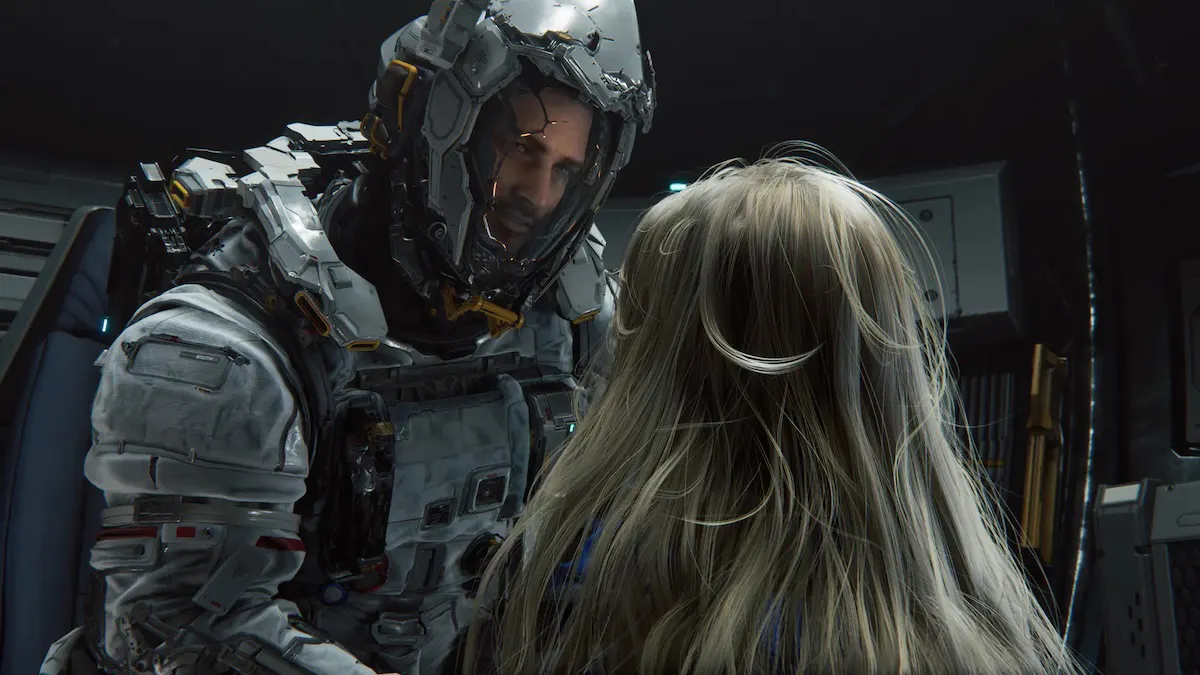
Capcom’s recently released title Pragmata has already been dubbed a “dad simulator” by gamers. The game sold over 1 million copies (at $60 a pop) in two days. Pragmata follows Hugh, a man tasked with protecting and guiding a naive young (android) girl through a hostile environment. Beneath the sci-fi combat, players have been drawn to something more resonant: the protective instinct, the mentorship, and the pride of helping someone grow. In short, the best parts of being a dad.
Girl-dad here, my daughters are in their early 20s now.
To all the guys out there who society told being a responsible father was a fate worse than death, and who are now getting a glimpse through Pragmata of what fatherhood might be like:
You were lied to hard, sorry bro,… https://t.co/z2u4mW1kOL pic.twitter.com/ydYk0wXYfl
— Timothy Stebbing (@tjstebbing) April 23, 2026
This isn’t an isolated phenomenon. Games such as The Last of Us and God of War have already demonstrated how powerful fatherhood narratives can be. But Joel and Kratos are reluctant, grief-shaped fathers. They remain emotionally distant and walled-off. Hugh, by contrast, takes genuine joy in his pseudo fatherhood. The “sad dad” archetype is giving way to something warmer, and the market response to Pragmata suggests audiences are hungry for it.
Video games have always found success as power fantasies with aspirational characters. Now, a significant part of that aspiration includes fatherhood.
Why now? Traditional markers of male achievement, such as home ownership, seem unobtainable. The economy feels oppressive, and the cultural narratives that once gave men a clear sense of purpose have grown thin. Masculinity is demonized relentlessly, and young men feel it. Fatherhood offers something concrete: a person who truly needs you and values your very existence. It is no surprise that social media is filled with videos of fathers coming home to hugs from excited children, often captioned with the sentiment, “Other men may be wealthy. This man is rich.”
Becoming a dad isn’t the end of freedom but the beginning of something that finally matters. Men are not just accepting fatherhood; they’re seeking it out. They’re dreaming about it. And the culture is starting to catch up. Games like Pragmata offer a different message. Fatherhood is a sacrifice. It always has been. But its legacy outlasts the man, and its reward outlasts his own life.








 New Posts (Home)
 ChatBox
 Popular Posts
  Game Zone
 Top PodCasts