www.optimistdaily.com
4 reasons your lawn looks thin this spring and how to fix them
BY THE OPTIMIST DAILY EDITORIAL TEAM
Most lawn care advice focuses on the grass itself: the seed variety, the mowing height, the fertilizer schedule. Tony Burris, Lawn Services Supervisor at Killingsworth Environmental, says that framing misses the mark.
“Soil with poor nutrient availability or extreme pH levels will always struggle to support and retain grass,” he says. As Burris sees it, lawn care is far more about treating the soil than treating the grass. Getting the soil right is what gives seed its best chance to germinate, take hold, and grow in with real density.
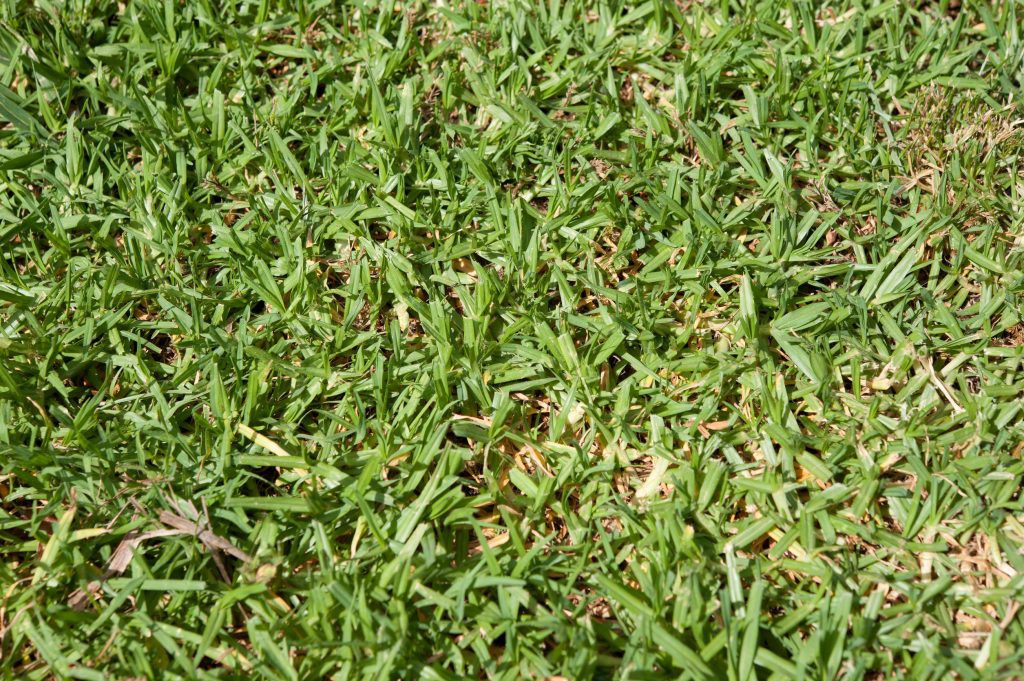
When grass is growing slowly or sparsely, the four most common causes are soil nutrient deficiency, an imbalance of sun and shade, improper watering, and uneven terrain. Each is diagnosable and fixable.
Start with the soil
If your seed isn’t taking hold, a soil test is a strong first move. Taking a sample and having it analyzed at a professional laboratory shows you the pH level and available nutrients, so you know exactly what amendments the lawn needs rather than guessing.
One nutrient worth paying attention to is potassium. It strengthens the lawn by helping roots anchor firmly to the soil, which improves nutrient uptake and offers protection against disease and drought. If the test shows high acidity, adding lime can bring the pH to a range where grass can actually access the nutrients already present.
Sun, shade, and knowing your grass type
Different grass varieties have very different light needs, and planting the wrong type for your conditions sets you up for a frustrating season. Bermuda grass thrives in full sun but dies back in heavy shade. Tall fescue handles lower light well and often grows thickest under some tree cover.
If you have warm-season grass struggling under tree canopy, Burris says removing some lower limbs to let more light reach the soil can make a real difference. In some spots, though, the shade is too deep for any grass to thrive. His recommendation there: create a defined natural area, such as a mulched bed or bordered garden section, and let the turf grow where conditions actually support it.
Watering smarter, not more
Overwatering is as common a problem as underwatering, and the mechanics matter too: the wrong sprinkler type, watering during windy conditions, and timing all affect how much the lawn actually benefits from the moisture it receives.
“The best advice is to water deeply and infrequently to encourage deeper root systems,” Burris says. Shallow, frequent watering trains roots to stay near the surface, making the lawn more vulnerable during dry stretches. Deep, less-frequent sessions push roots downward where the soil holds moisture longer.
Timing matters as well. Watering between 6 a.m. and 10 a.m. reduces the risk of lawn disease by giving blades time to dry before nightfall. And when summer turns to fall, keep watering until the grass goes dormant rather than stopping early. Dormancy is how a lawn conserves energy to come back well in spring; cutting water off too soon interrupts that process. For consistent, hands-off coverage, installing an irrigation system takes the guesswork out of it entirely.
Level ground matters more than you’d think
Terrain affects more than appearance. “Soil moisture and terrain often go hand in hand, as water runoff on grades can cause uphill turf to dry out,” Burris explains. Low spots that collect standing water create the opposite problem: oversaturation that drowns the root system.
Levelling is easiest before seeding, when bare soil can be raked flat and new grass will grow to match it. But it’s possible to address an existing lawn’s unevenness too, even if it takes more effort. Beyond grass growth, a level surface improves drainage, simplifies mowing, and creates a safer surface for walking.
Taken together, these four factors account for most of what stands between a homeowner and a lawn that fills in the way they hoped. The good news is that each one is fixable. A soil test, a watering schedule adjustment, some thoughtful pruning, or a bit of regrading can make a bigger difference than anything on a garden center shelf.
Did this solution stand out? Share it with a friend or support our mission by becoming an Emissary.The post 4 reasons your lawn looks thin this spring and how to fix them first appeared on The Optimist Daily: Making Solutions the News.








 New Posts (Home)
 ChatBox
 Popular Posts
  Game Zone
 Top PodCasts