reclaimthenet.org
Canada’s Pay-to-Play Press Pass
If you're tired of censorship and dystopian threats against civil liberties, subscribe to Reclaim The Net.
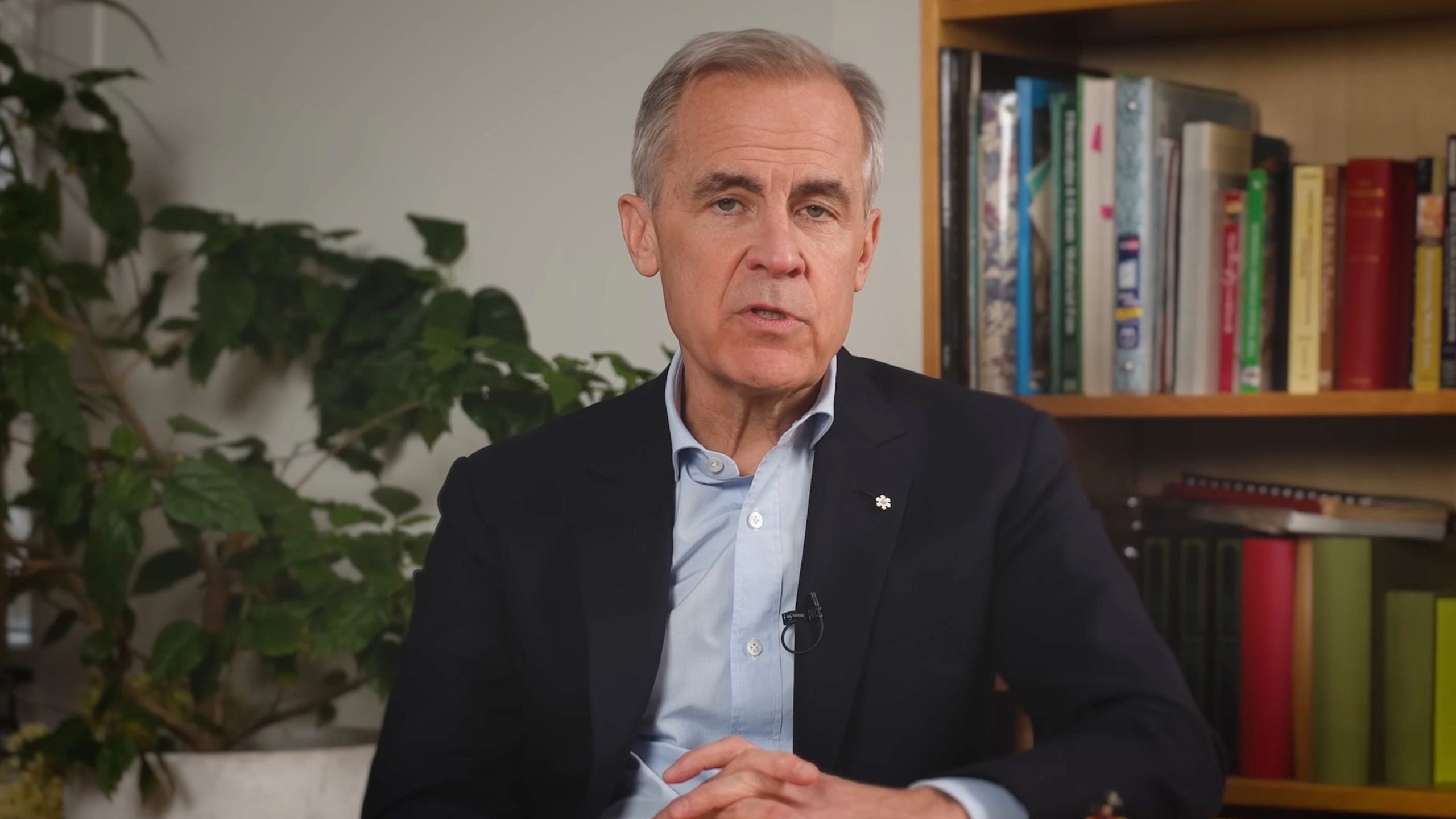
Access to Information records obtained by the Western Standard reveal that staff inside Canadian Prime Minister Mark Carney’s Privy Council Office participated in a confidential federal meeting about which reporters should receive government accreditation and which should be shut out. The meeting focused on building a unified federal media accreditation system across departments.
The closed-door talks took place one day after IRCC confirmed it would stop providing media access to outlets that failed to meet its definition of “bona fide” journalism.
That definition was built around the Qualified Canadian Journalism Organization (QCJO) designation, a program the Canada Revenue Agency uses to distribute federal subsidies to approved news outlets. The 2024-25 budget estimated $65 million flowing through the program that fiscal year.
The government turned a tax classification into a press credential. If your outlet takes government money, you’re legitimate. If it doesn’t, you’re not worth talking to.
IRCC and Global Affairs Canada (GAC) quietly inserted QCJO-adjacent criteria into their media accreditation pages. Edmonton-based freelance journalist Jeremy Appel learned the consequences when he contacted IRCC with a routine inquiry. The response from IRCC spokesperson Jeffrey MacDonald was: “As your organization doesn’t qualify for these services, you may wish to pursue other avenues to obtain information from IRCC.”
The QCJO’s designers insisted from the start that it was never meant to be an accreditation system. “Our goal was to clearly identify the news outlets eligible for this particular government program and not to try to determine some kind of status as an ‘approved journalism organization,'” they wrote.
Federal departments did exactly that anyway, deciding whose questions deserved answers based on whether the outlet was on Ottawa’s payroll.
The Privy Council Office’s involvement, as documented in the records obtained by the Western Standard, raises the stakes. PCO reports directly to the prime minister. When Carney’s own staff sit behind closed doors with officials from multiple departments to discuss a “unified” accreditation system, that’s the prime minister’s office helping to shape who gets to ask the government questions.
The CRA eventually pushed back. Spokesperson Sylvie Branch told The Hub: “The QCJO designation is administered by the CRA for the sole purpose of determining eligibility for tax measures supporting Canadian journalism…The CRA does not determine who is a journalist, nor does it provide QCJO information to other departments unless expressly authorized by law.” Both departments have since scrubbed QCJO references from their media pages. GAC denied it ever required the designation but the language on its own website before the revision tells a different story.
The retraction came only after The Hill Times, The Hub, and Blacklock’s Reporter began covering the story. The departments changed course because they got caught, not because they reconsidered.
Hub journalist Graeme Gordon experienced the two-tier system personally. Last July, while reporting on immigration numbers for the outlet True North, he repeatedly tried to reach IRCC and got no response.
The following month, when he contacted the same department about similar numbers while working under The Hub, a QCJO-designated outlet, IRCC responded. Same reporter. Same topic. The only thing that changed was whether the outlet appeared on the government’s list.
When the government signals that only subsidized outlets will receive responses, every journalist at a non-subsidized outlet absorbs that message. Some will apply for QCJO status and accept the funding, creating exactly the dependency the program’s architects claimed to be avoiding. Others will stop calling. Either way, it means fewer uncomfortable questions.
If you're tired of censorship and dystopian threats against civil liberties, subscribe to Reclaim The Net.
The post Canada’s Pay-to-Play Press Pass appeared first on Reclaim The Net.








 New Posts (Home)
 ChatBox
 Popular Posts
  Game Zone
 Top PodCasts